All Articles
Browse our complete collection of financial news and analysis
Browse our complete collection of financial news and analysis
Browse our complete collection of financial news and analysis

Cuba crisis adds Caribbean shipping risk and the prospect of tightening energy logistics, potentially lifting prices and unsettling the already fragile market sentiment.
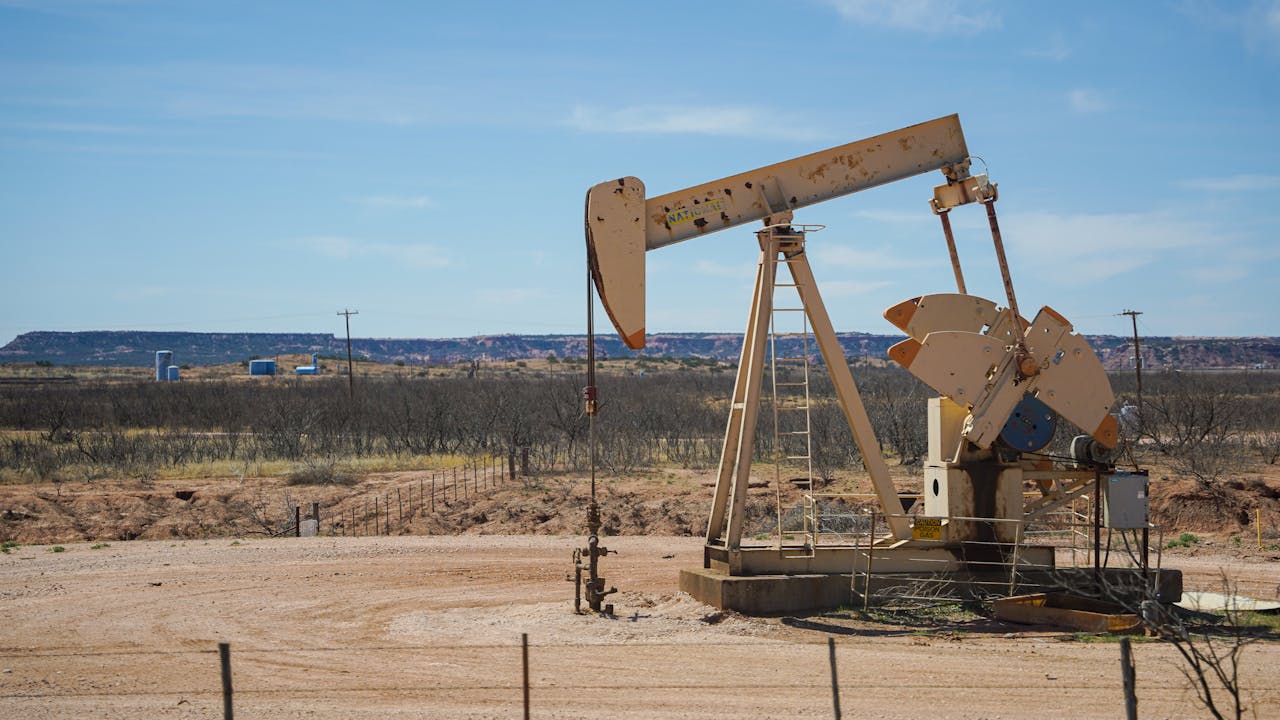
Trump’s “TACO” trade weighed on Brent crude futures, though Iran’s continued aggression and expectations of prolonged disruption in the Strait of Hormuz provided a floor to prices.
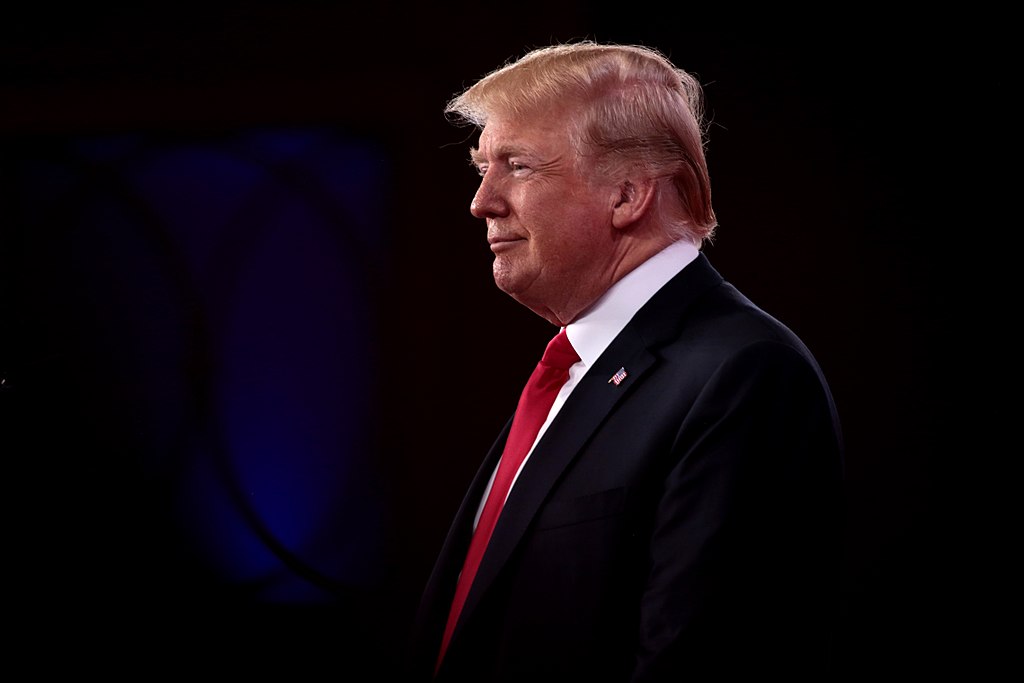
Donald Trump used the Davos stage to press again for U.S. control of Greenland, framing the Arctic territory as vital for national and international security and a cornerstone of American strategic dominance.

Oil rose over 2% despite Donald Trump delaying action against Iran, as persistent tensions, supply disruptions, and stranded vessels continue to fuel volatility and keep crude prices elevated.
Donald Trump’s Iran conflict drove oil above $110, fueling inflation fears, and pressuring the Nasdaq 100 futures into correction.
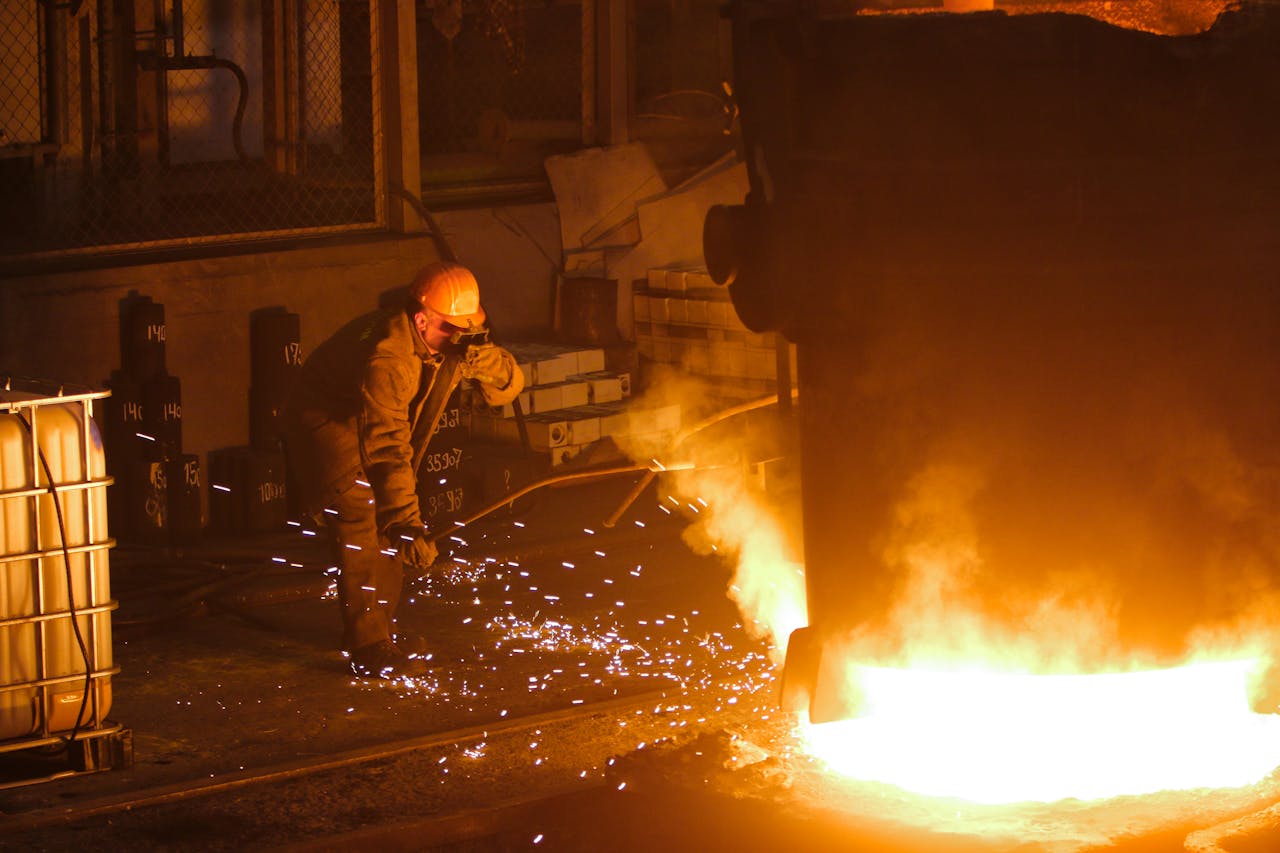
Metals slid as dollar strength, China’s clampdown on high-frequency trading, and hawkish Fed signals pressured prices, offsetting strong industrial demand and keeping markets cautious globally.
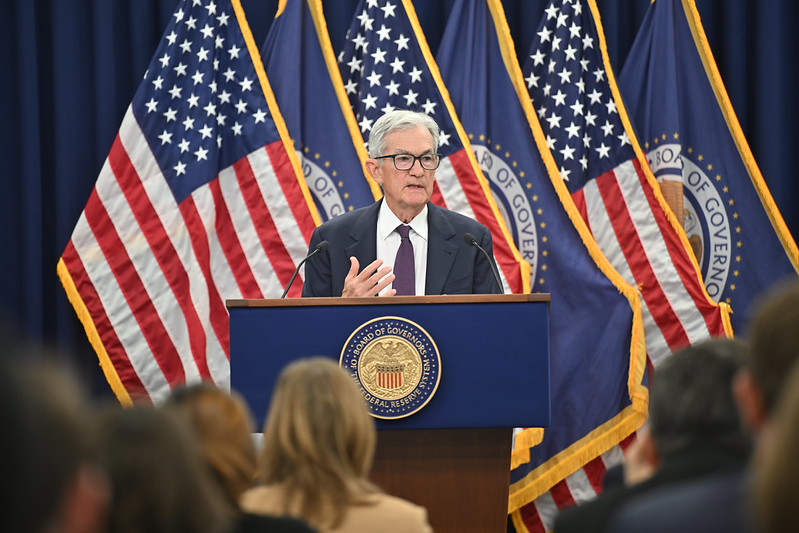
The Fed chose to wait and watch how inflation plays out in the aftermath of the Middle East shock but remained optimistic of the economic momentum.
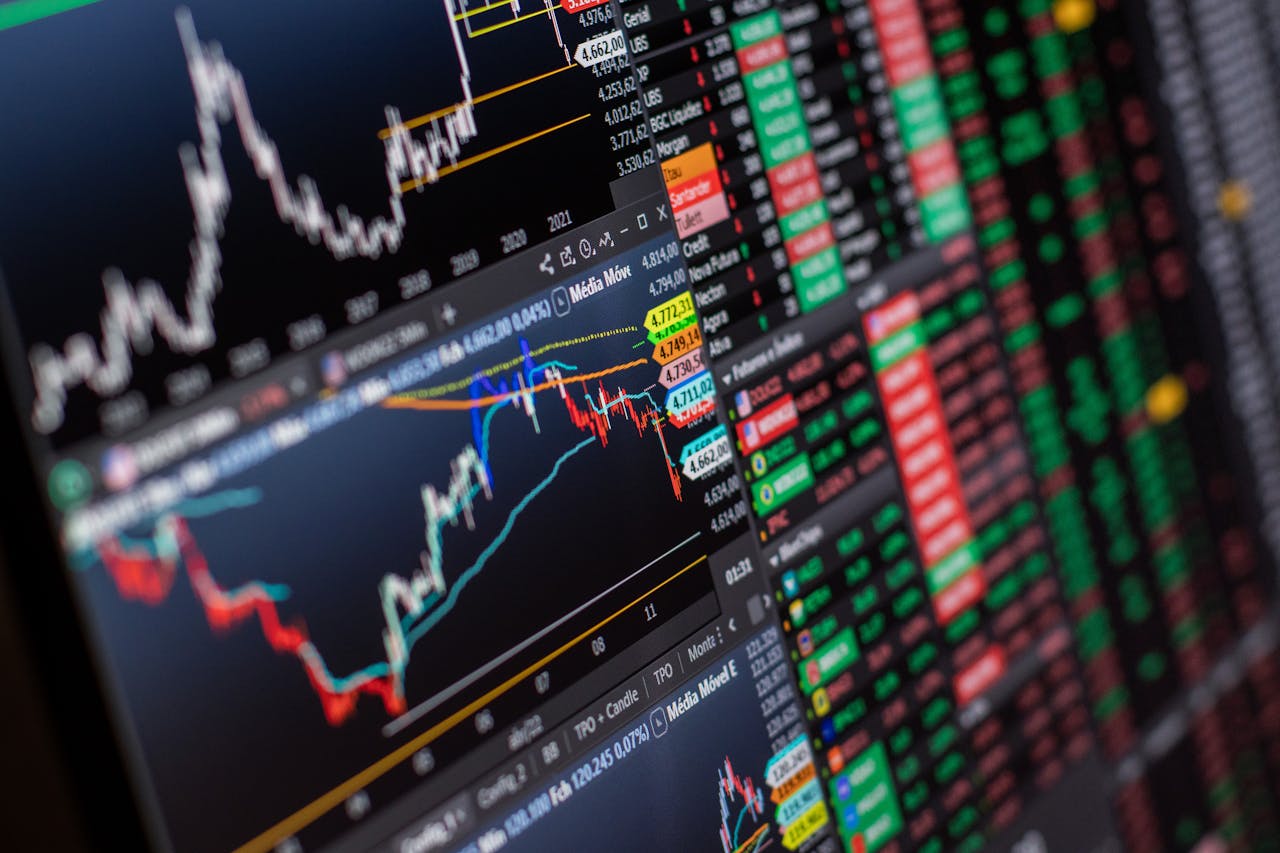
U.S. stock futures rose on ceasefire hopes after Donald Trump signaled a possible withdrawal, though Iran tensions, threats to U.S. firms, and strong economic data tempered optimism.

Trump's tariff escalation triggered a global risk-off shift, sending Bitcoin futures lower as investors favored traditional safe havens over crypto.
Escalating Middle East tensions lifted oil and increased risk aversion but Morgan Stanley makes the case that the correction may be coming to an end.
Renewed geopolitical tensions around the Strait of Hormuz and a refinery explosion in Texas heightened supply concerns, driving a broad-based rebound across crude, fuels, and natural gas markets.
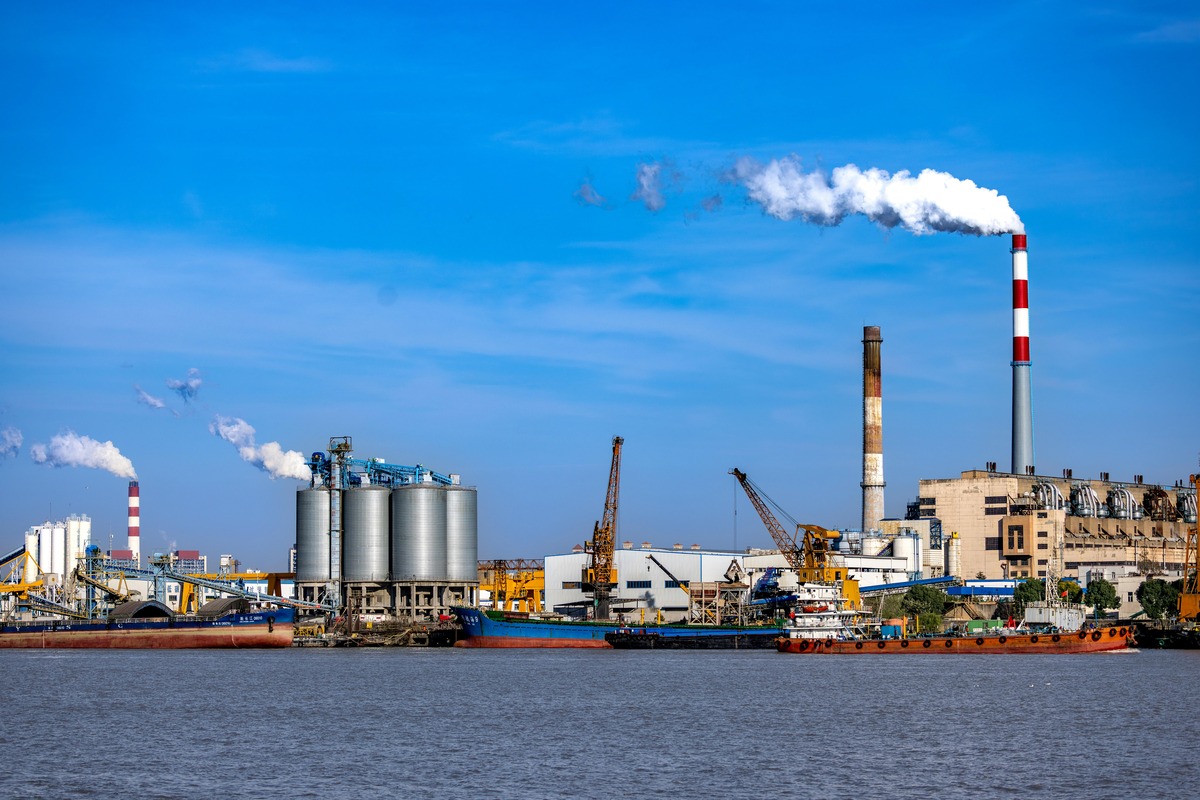
The Atlanta Fed’s GDPNow lifted Q4 growth to 5.4%, highlighting strong consumption and investment; equities dipped, dollar firmed, while bond yields fell amid steady-rate expectations.