All Articles
Browse our complete collection of financial news and analysis
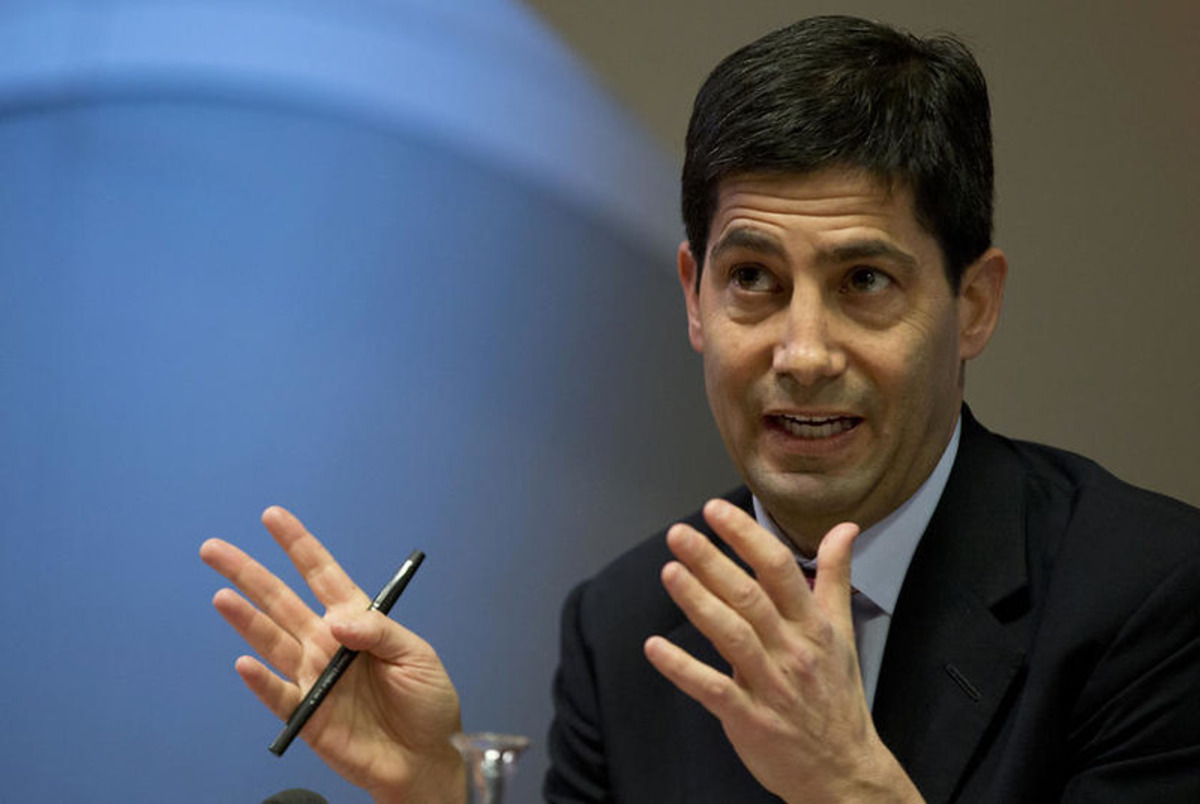
Two Catalysts, One Morning: ISM and Warsh Put the Rate Hike Narrative on Trial
Markets brace for volatility as Fed Chair Warsh speaks at Sintra and ISM data drops. We analyze potential scenarios for major assets and the bearish technical setup currently shaping Gold.
DXY Pulls Back From 14-Month High as Markets Brace for Early Jobs Report
As the U.S. dollar nears multi-year highs, markets pivot to a compressed week of high-stakes data, waiting on an early jobs report and analyzing Federal Reserve rate hike expectations.

Resilient Job Openings, Steady Consumer Confidence Reinforce Fed's Hawkish Tilt Ahead of Thursday's Jobs Report
June consumer confidence rose modestly, JOLTS job openings beat estimates at 7.594 million, and futures markets now price 65.6% odds of a September rate hike ahead of Thursday's payrolls data.
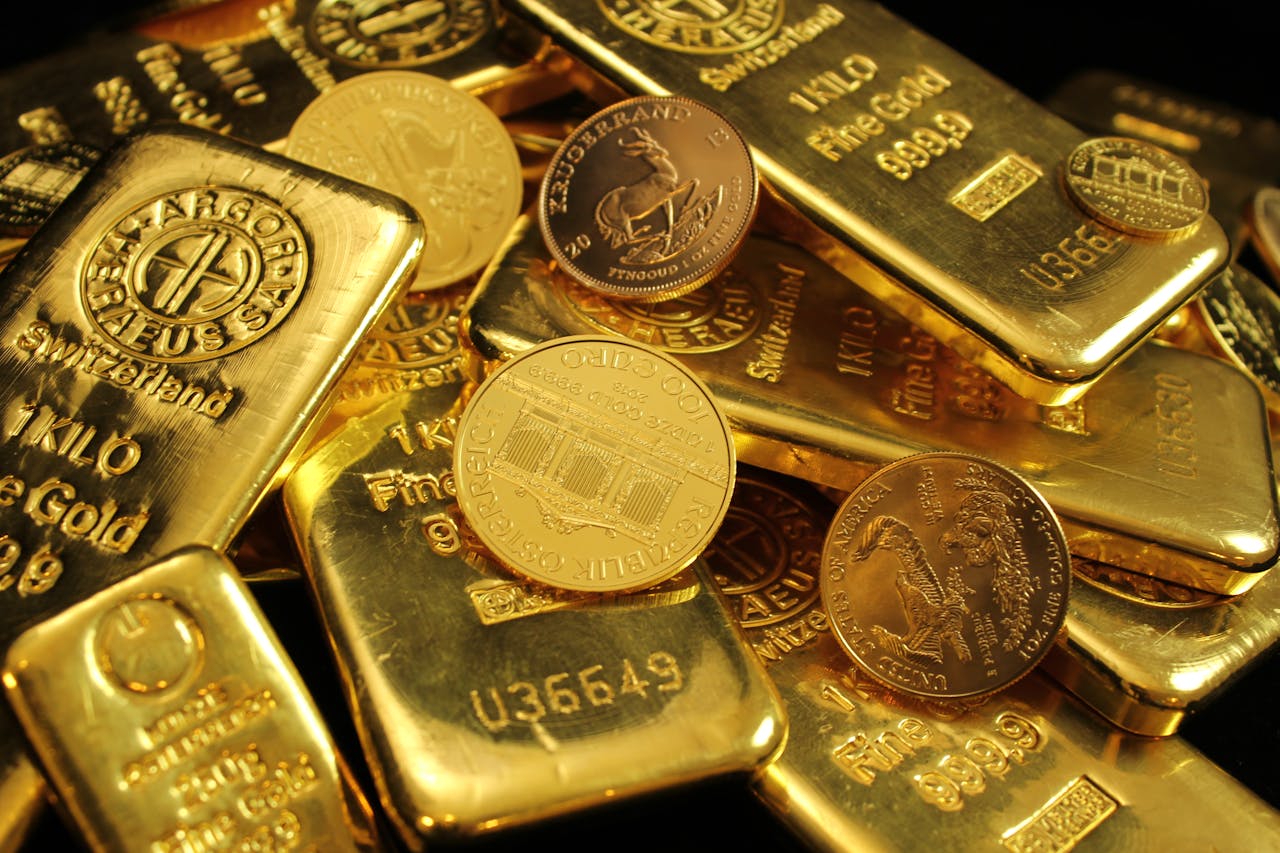
Gold Price Update: XAU/USD Battles Key $4,000 Handle as Bears Maintain Control
Gold (XAU/USD) struggles to hold the $4,000 level amid a resurgent US Dollar and aggressive Federal Reserve rate hike expectations, putting the precious metal on track for a significant quarterly decline. Is there a bounce on the way?
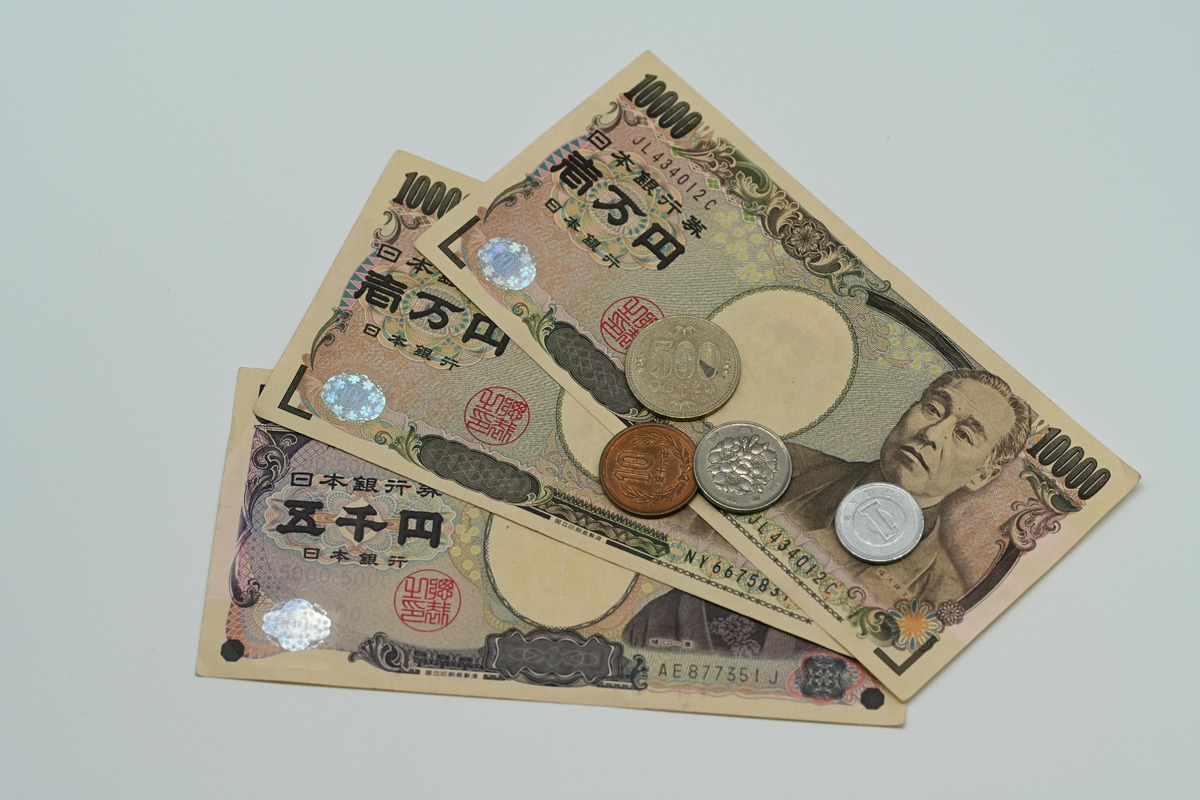
Yen Hits 40-Year Low, USD/JPY Breaches 162 as Tokyo's Warnings Fall Flat: What Happens Next?
USD/JPY breaches 162 for the first time since 1986 as widening rate differentials, Takaichi's $2.3 trillion fiscal package, and hedged Nikkei inflows pressure the yen despite Tokyo's verbal warnings.
Nasdaq Rises 2% as Tech Stocks Soar, Does the Recovery Have Legs?
The Nasdaq-100 is rebounding Monday, but a tech rotation is underway: mega-cap internet names are surging while semiconductor stocks continue to struggle, highlighting a divide in AI market sentiment.
Fed Governor Lisa Cook Stays, Central Bank Independence Holds: What Does That Mean for September Hike Odds
The Supreme Court's 5-4 ruling blocking Trump's attempt to fire Fed Governor Lisa Cook removes a key political wild card, leaving rate markets to price September hike odds on fundamentals alone.
Fade the Peace or Buy the Breakdown — The Oil Trade Into Doha
Oil futures (CL1) teeter near the $70 handle as traders await crucial U.S.-Iran talks in Doha. With geopolitical tensions and OPEC uncertainty looming, this week's outcome will dictate the next move.

Copper's Verdict Day: June 30 Tariff Decision, Record Stockpile and Crowded Longs Collide
A record 650,000-ton COMEX inventory build, a 5.5:1 long-to-short ratio and an imminent Section 232 ruling on refined copper create conditions for an outsized volatility event regardless of which way Tuesday's decision lands.
Alphabet (GOOG) Joins the Dow: What That Means for Dow Jones Traders
Alphabet (GOOG) replaces Verizon in the Dow Jones, marking a structural shift that ties the index more closely to tech volatility and AI growth narratives.

NQ Rebounds from Worst Week Since June 5 AI Sell-off: Thursday's NFP Jobs Data the Real Test
SpaceX's index inclusion, SK Hynix's Nasdaq debut and Alphabet's Dow addition over the next two weeks could inject fresh momentum, but AI capex skepticism and stagflation risks linger beneath the surface.
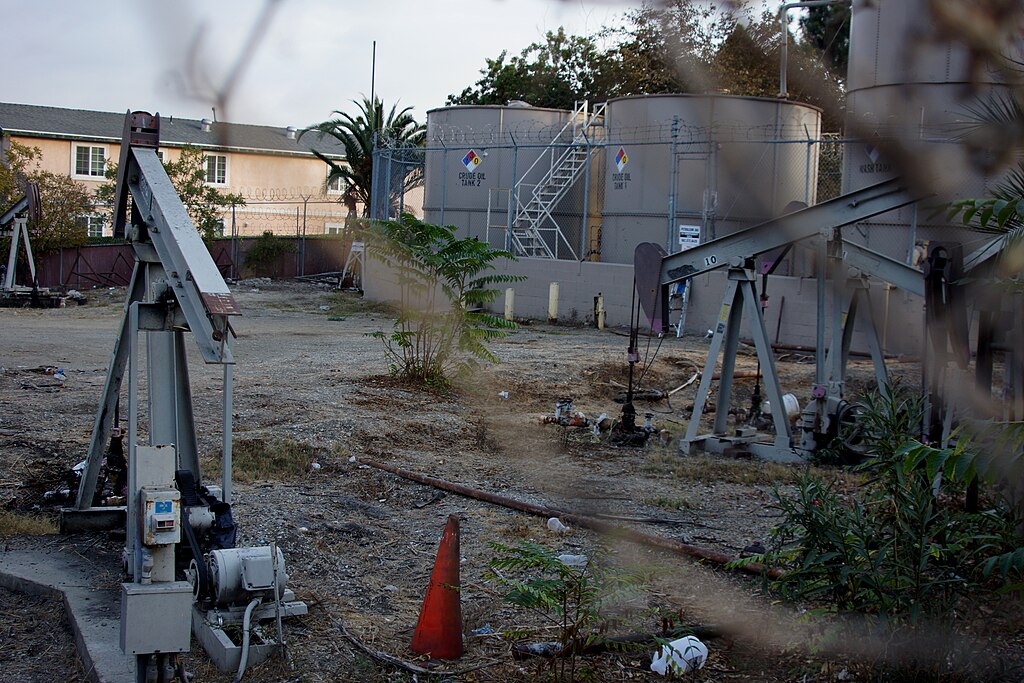
Iran Peace Tanks Crude — But Traders May Be Underpricing One More Downside Catalyst
WTI crude is fast approaching prewar levels as two powerful forces converge: an evaporating geopolitical risk premium and a quietly deteriorating Chinese demand outlook that markets may not have fully priced in.