All Articles
Browse our complete collection of financial news and analysis
Browse our complete collection of financial news and analysis
Browse our complete collection of financial news and analysis

As markets price in Fed rate hikes, plummeting oil prices signal a shift. The true test for September won't be WTI crude; it will be whether core services inflation stays sticky.

With the Fed given no reason to accelerate tightening, NQ futures extended gains and Micron's record open is now in play.
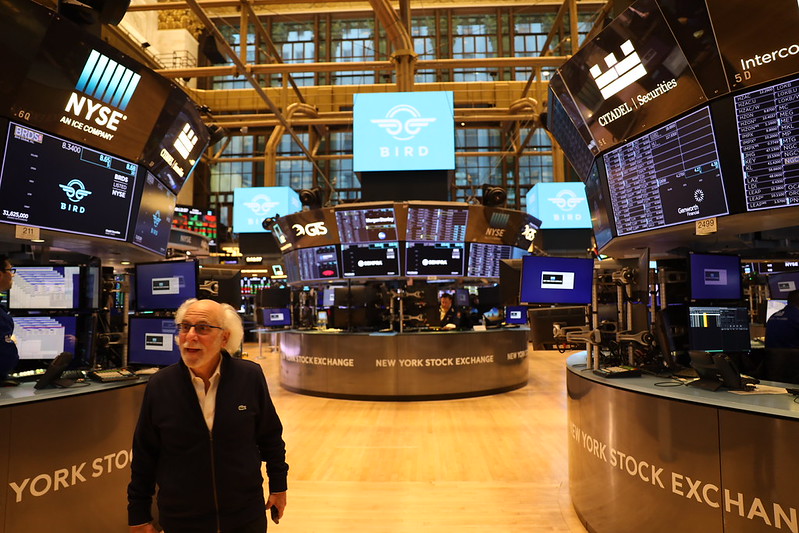
Nasdaq futures surged on Micron's historic beat, but with core PCE running well above the Fed's 2% target and a rate hike now on the table, Thursday's inflation print could make or break the AI-fueled recovery.

Despite 9 straight weeks of inventory draws, WTI crude cracked below $73 as dollar strength, Fed rate hike fears, and Hormuz reopening hopes overwhelmed bullish supply data.
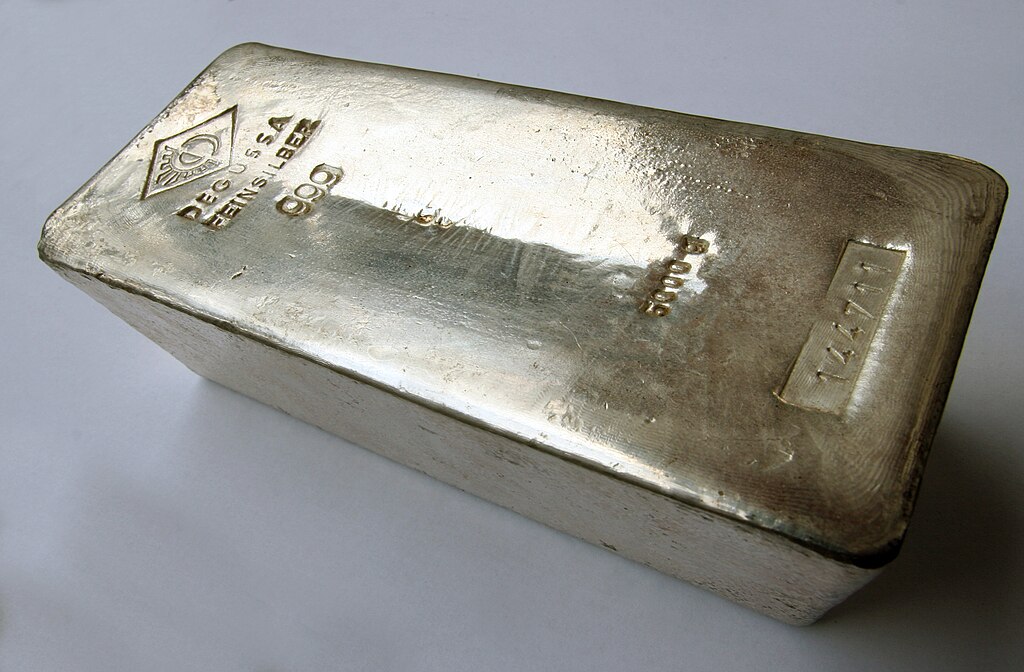
A hawkish Fed, and fading geopolitical risk premium have pushed silver into bear market territory, with Tuesday’s Nasdaq-driven margin calls aggravating the sell-off

Gold sheds 3.5%, smashing through the $4,000 support level amid a hawkish Fed and rising dollar. Investors now look to upcoming PCE data to see if the metal can stabilize or if a deeper correction lies ahead.
Three AI-driven catalysts, namely Micron's earnings, SK Hynix's $29B Nasdaq listing bid, and Alphabet's Dow inclusion, are challenging the narrative that Tuesday's $1 trillion tech selloff was anything more than a knee-jerk reaction.

US business activity accelerated to a five-month high in June, led by manufacturing but weak services growth, falling factory employment, and subdued confidence tempered the otherwise encouraging headline figures.
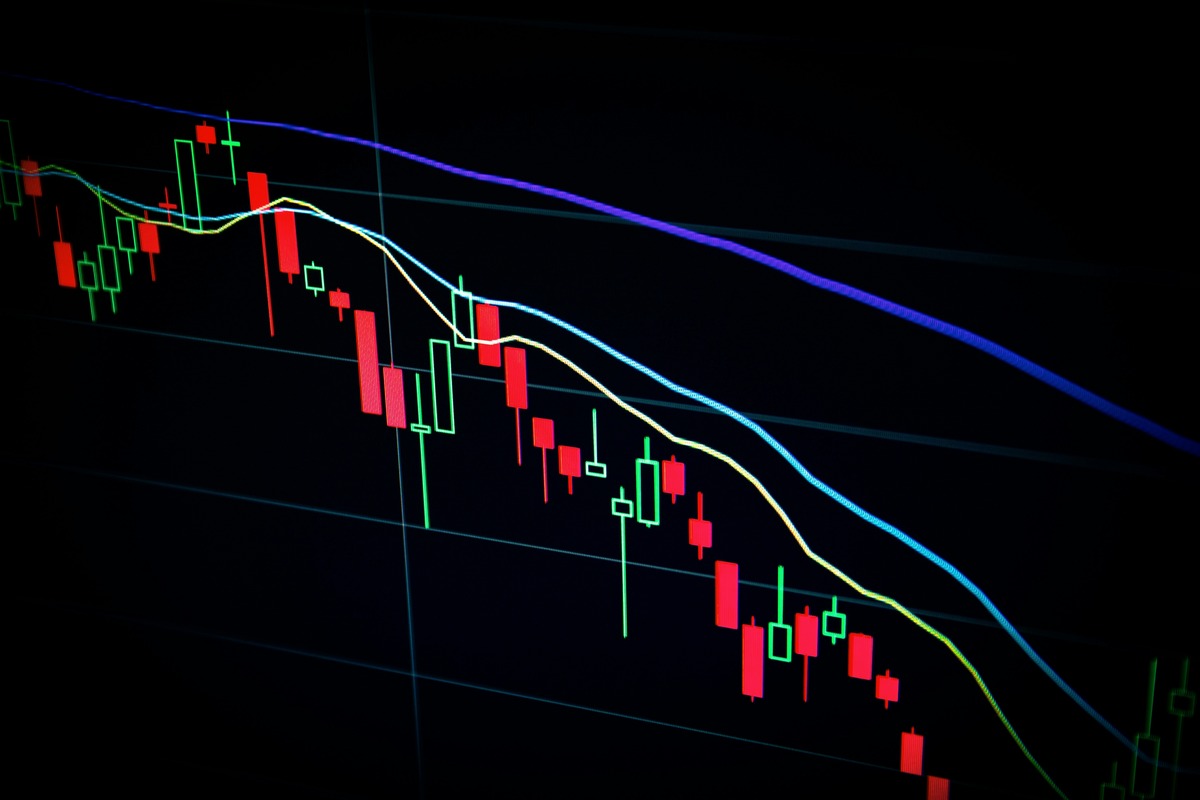
A hawkish Fed, fragile Middle East ceasefire, index rebalancing, and mounting doubts over debt-funded AI spending have converged to push Nasdaq-100 futures below a critical technical threshold ahead of three market-moving catalysts.
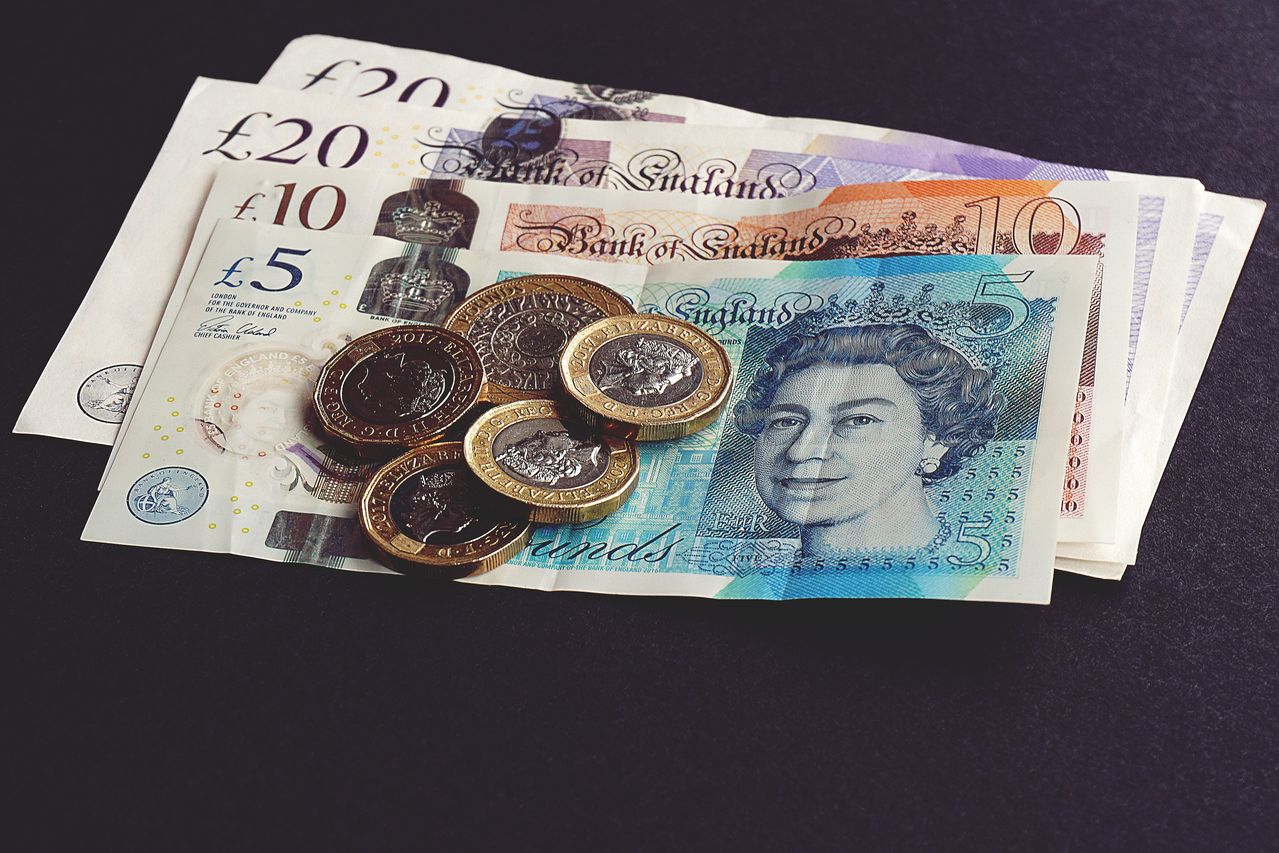
Sterling's muted reaction to Starmer's exit masks a bigger story: Fed-BoE divergence, not Westminster politics, is the dominant force.

With USD/JPY nearing 160, Tokyo weighs intervention. Following talks between Katayama and Bessent, markets are watching for signs of potential coordinated support for the struggling yen.
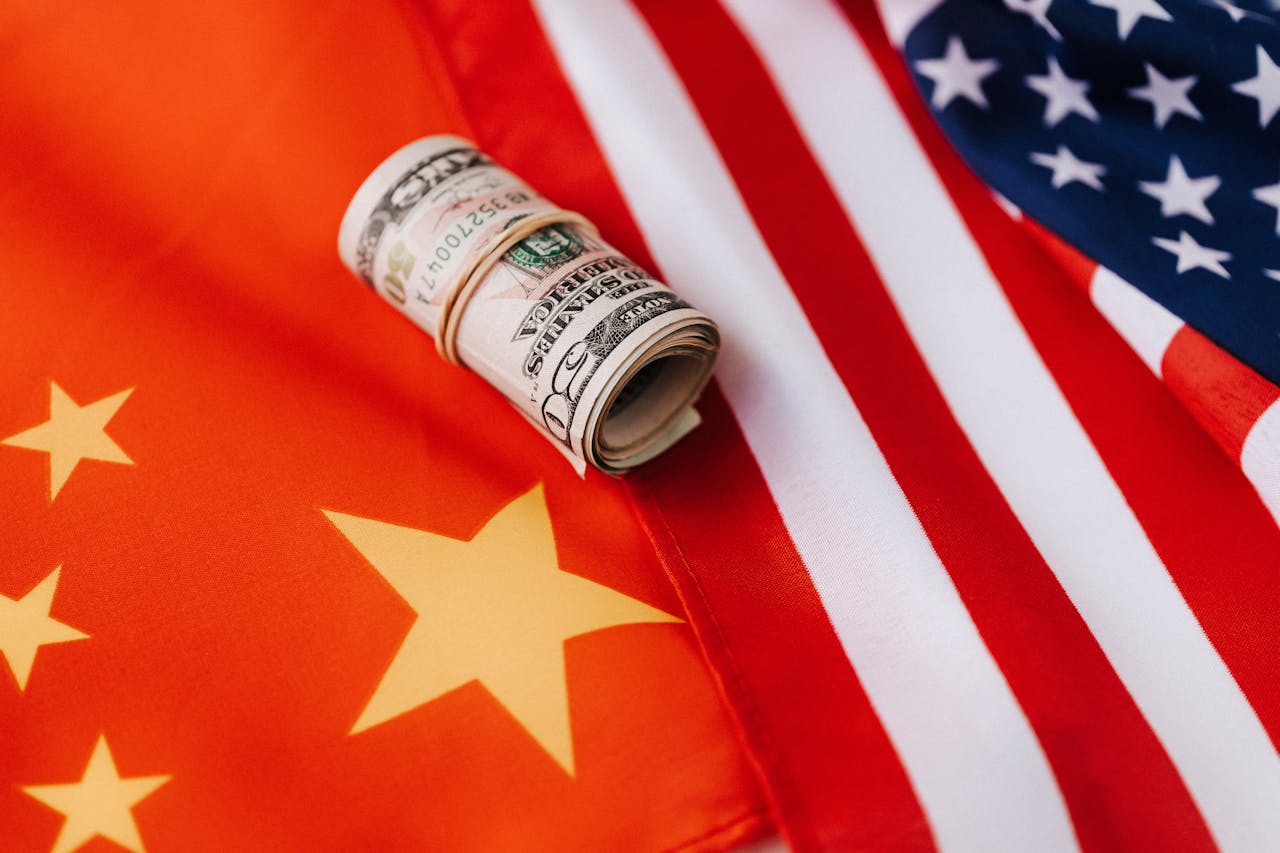
Warsh wanted clarity and the data delivered complexity: price pressures building in factories, hiring still hesitant, and forward-looking indicators drawing strength from Wall Street rather than Main Street.