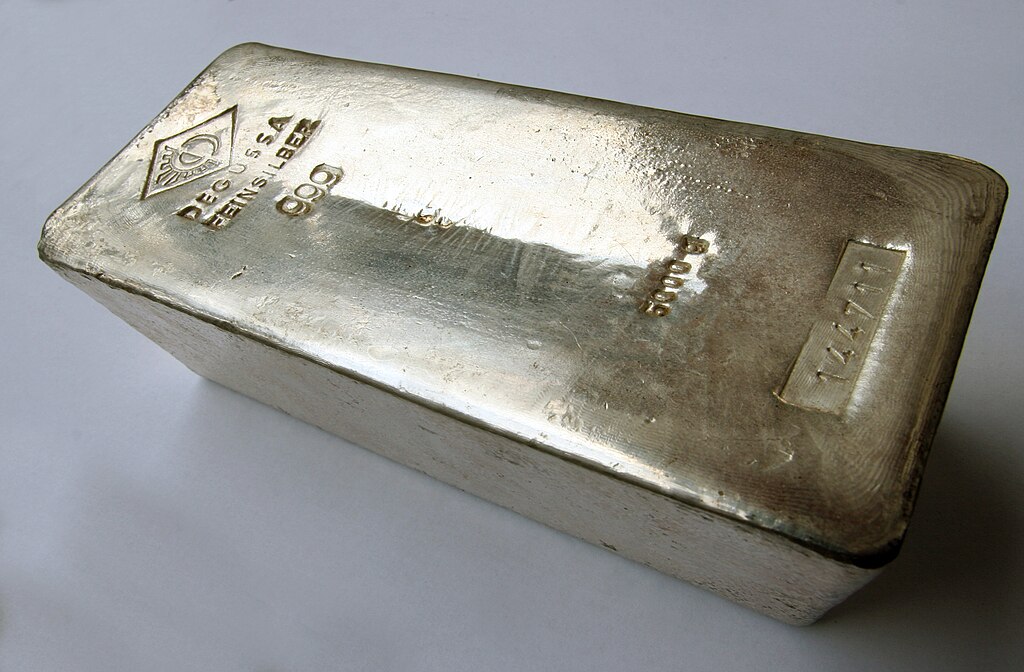
A hawkish Fed, and fading geopolitical risk premium have pushed silver into bear market territory, with Tuesday’s Nasdaq-driven margin calls aggravating the sell-off
Silver futures (SI) breached the psychological $60 support on Wednesday for the first time since early December, stoking concerns that the white metal may be on a structural decline. Wednesday’s sell-off was not confined to silver alone.
A broad swath of dollar-denominated assets, including precious metals, base metals, and commodities, came under pressure as a stronger U.S. dollar and elevated Treasury yields prompted investors to reduce exposure to non-yielding and growth-sensitive assets. Fellow precious metal gold also capitulated, breaking below the critical $4,000 support level for the first time since November and reinforcing the risk-off mood sweeping commodity markets.
Why Silver Is Losing its Luster
A confluence of factors is weighing on silver as the powerful 2026 rally that propelled the metal to a record high begins to unwind. Since peaking at $121.30 on Jan. 29, silver has lost more than half its value, plunging deep into bear market territory. In market parlance, a decline of 20% or more from a recent high is generally considered a bear market, making silver's correction particularly severe. The most recent sell-off is precipitated by the following factors:
The Fed/Dollar factor
The June Federal Open Market Committee (FOMC) meeting outcome had a hawkish tone written all over it. The easing bias was removed from the post-meeting policy statement, and the dot plot relayed a marked change in the stance of Fed officials, with nine of the 18 policymakers projecting a rate hike in 2026. More importantly, incoming Chair Kevin Warsh’s comments also had a hawkish lean, which, although not unexpected.
The cumulative effect of a stronger dollar, elevated Treasury yields, and reduced expectations for rate cuts drained the appeal of non-yielding assets like silver, which had already been losing its geopolitical safe-haven premium as US-Iran tensions eased.
Lloyd Financial Chief Investment Officer Colin Symons attributed the sell-off to soaring real rates as nominal rates go up and inflation expectations drop, and the dollar’s strength.
The Geopolitical Factor
The U.S.-Iran de-escalation and gradual normalization of traffic through the Strait of Hormuz removed the residual geopolitical risk premium, one of the few remaining support pillars for silver. With energy supply pressures easing, inflation fears cooling, and the conflict's safe-haven bid unwinding, silver lost a tailwind it had been leaning on even as broader macro headwinds were already in control of the price.
The Equity Contagion Factor
The Nasdaq 100’s $1 trillion wipeout on Wednesday forced leveraged investors to liquidate profitable commodity positions to cover margin calls elsewhere. This is the classic case of leveraged investors tapping into profitable positions or relatively less bleeding assets of their portfolios to raise cash.
One may argue that the price signal tells more about the stress in the Nasdaq, than about the silver market itself. The critical question is whether the equity sell-off has run its course. If Micron's earnings after Wednesday's close deliver the beat-and-raise quarter the market is positioned for, the cross-asset liquidation pressure eases, the forced selling in silver abates. That, however, won't reverse the Fed and dollar dynamics overnight but removes the accelerant.
Has Structural Case Changed?
Analysts and market watchers argue that the bull-case for silver is still intact. The precious metal is in its sixth consecutive year of supply deficit in 2026. Silver Institute estimates that the demand-supply deficit will be around 46.3 million ounces or 1,439 tons in 2026.
The forecasted deficit is despite the industrial demand tempering. Solar manufacturers are expected to reduce silver consumption by 19% in 2026, although artificial intelligence (AI)-related demand will cushion some of the drop elsewhere. Also mine supply is contracting faster than the fall in industrial demand, offering price support.
Silver Demand-Supply Dynamics
Source: Bloomberg data via Silver Institute
Will PCE Print Provide a Near-term Reprieve?
Thursday’s price consumption expenditure (PCE) inflation data, the preferred inflation gauge of the Federal Reserve, would hold the key for the direction silver will take in the near term. A hotter inflation print would perk up rate-hike bets, pushing up the dollar and keeping the downward pressure on silver intact. On the contrary, a soft print would have the opposite effect on silver. Silver is, therefore, sitting at the intersection of a macro headwind and a structural tailwind.
Technical Take
Silver's parabolic rally from the April 2025 lows near $28 to the January 2026 peak at $121 has now surrendered more than half its gains, with Wednesday's breakdown below $60 cutting through a key horizontal support level that had held since late 2025. All four moving averages — the 20, 50, 100, and 200-day SMAs — are stacked above price and sloping downward, a bearish alignment that confirms the trend, not just the day.
Source: Trading View
The 200-day SMA at $57.10 is the last meaningful technical floor before the market has to reassess the broader bull thesis. A daily close below it would be a significant structural warning. The one mitigating factor is that the price is deeply extended below all moving averages, raising the probability of at least a technical bounce before the next directional move. Thursday's PCE print arrives at precisely the moment the chart is most stretched.
According to MarketFramework data, futures traders are neutral on the commodity, with the E-Mini silver contracts (SIL) in the top ten actively traded contracts.
Hold, Fold, or Load Up — The Three Positions
With silver at six-month lows, traders face a decision that hinges less on what the metal is doing today and more on what happens next.
Hold: The forces driving silver lower are event-driven and reversible. Selling into maximum pessimism a day before Thursday's PCE print is not advisable.
Fold: $60 was not just a number but a level silver had defended through multiple tests. A clean break below it shifts the burden of proof. If the PCE runs hot, the next floor is $57-58. Exit now, re-enter with a cleaner setup.
Load Up: The silver price outlook looked very different in January when silver was at $121 and sentiment was euphoric. Today silver is near $60, sentiment is confused, and the chart looks like a failed rally. Six-month lows, sixth consecutive year of supply deficit, and maximum pessimism is precisely the setup long-term commodity traders wait for.
All three positions are rational. What separates them is time horizon and risk tolerance. The PCE report will resolve this debate faster than anything happening in the silver market itself.