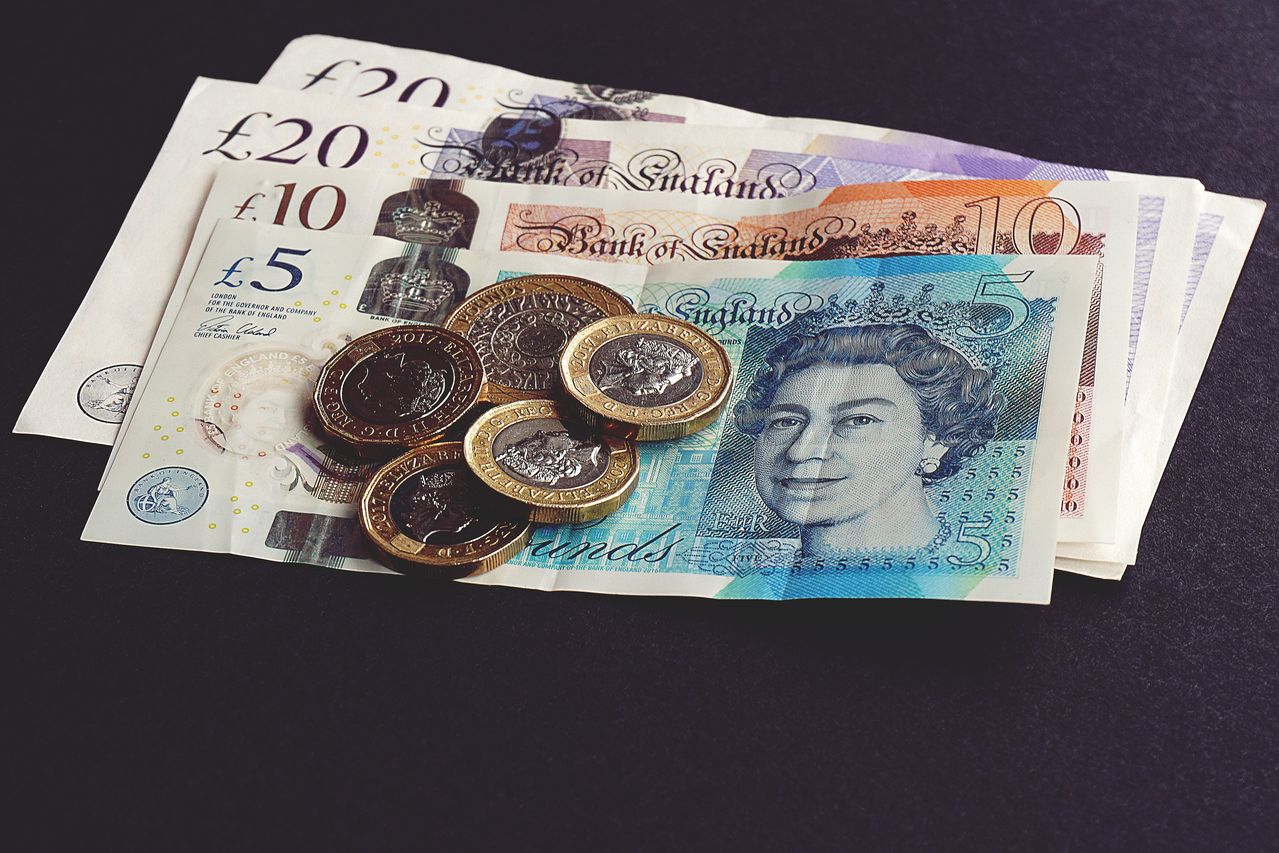
Sterling's muted reaction to Starmer's exit masks a bigger story: Fed-BoE divergence, not Westminster politics, is the dominant force.
U.K. Prime Minister Keir Starmer announced on Monday he would resign as leader of the Labor Party and as prime minister, setting the stage for the seventh transition within a decade. Starmer said he expected to remain in office until a successor was chosen from within his Labour Party.
The announcement paves the way for a contest among Labour Members of Parliament (MPs), with Andy Burnham, the former Mayor of Great Manchester, expected to be the frontrunner. Burnham was elected to the parliament after winning a by-election last week. Nominations are due to open on July 9, with a new leader to be in place before Parliament returns in September.
https://x.com/Keir_Starmer/status/2068974834676342973
Sterling’s Reaction: A Tale of Two Moves
The price action told a nuanced story. Sterling slid as much as 0.4% to touch $1.3183 early on Monday, approaching its 2026 low of $1.3161 set in March, before paring losses. A break below the March low would put the currency at its weakest level since November.
GBP/USD Tests Key Support
Source: TradingView
But it didn't stay there. GBP/USD regained traction and traded in positive territory around 1.3250 in the late New York session. Burnham's commitment to maintaining existing fiscal rules helped calm investor concerns. Despite his left-wing credentials and past role in Jeremy Corbyn's shadow cabinet, markets took comfort from the pledge, turning an initial selloff in sterling into a recovery.
Why Was the Move Muted?
After weeks of speculation over his future, investors appear to view the announcement less as a shock and more as the formal conclusion of a process that had already been priced into U.K. assets. Unlike the turmoil triggered by the fiscal experiment of the 2022 Liz Truss government, investors currently see continuity rather than disruption.
The pound had already lost around 3% since February as Starmer's leadership came under increasing threat from Labour party challengers.
The Real Driver: Fed-BoE Divergence, Not Westminster
Although the GBP/USD pair is currently riding on the political upheaval, in the near- to mid-term, it will be driven by forces beyond Westminster. The U.S. Federal Reserve's increasingly hawkish outlook has strengthened the dollar broadly, while the Bank of England has shifted toward a more neutral stance as the U.K. growth slows and inflation pressure appears to have peaked. As a result, yield differentials continue to move against sterling regardless of domestic political developments.
After the BoE announced a pause decision last week, keeping the benchmark interest rate at 3.75%, ING strategists said, “A Bank of England rate hike now looks unlikely barring a severe spike in energy prices in July, which isn’t our base case.” The firm expects a prolonged pause and cuts to resume in 2027.
Technically, GBP/USD remains under pressure following repeated rejection by the falling 100-day simple moving average (SMA), currently at $1.344 — a notable bearish signal suggesting the decline from May's 1.3867 high may still have further to run, with immediate attention focused on 1.3158 support.
Burnham's Fiscal Intentions — the Key Variable
If Burnham succeeds in maintaining the status quo, the pound will react positively. But if he calls the fiscal rules into question, the pound is likely to depreciate significantly. Markets are nervous about any potential increase in bond sales to fund spending, given the U.K. is already struggling with its debt levels.
What Futures Traders Should Watch
1.3158 — the March 2026 low and the line in the sand for GBP/USD futures. A close below it puts sterling at its weakest since November and would likely trigger a new leg lower.
Gilt yields — the bond market is the more honest signal here. A rise in 10-year gilt yields above 4.90% would signal the market is starting to price a fiscal risk premium under Burnham.
July 9 — nominations open for the Labour leadership contest. Any signs of a contested race rather than a Burnham coronation would add uncertainty premium to sterling.
BoE vs Fed: The interest-rate differential is the dominant macro driver. As long as the Fed is pricing hikes and the BoE is on hold, the path of least resistance for GBP/USD remains lower regardless of who sits in Downing Street.