All Articles
Browse our complete collection of financial news and analysis
Browse our complete collection of financial news and analysis
Browse our complete collection of financial news and analysis
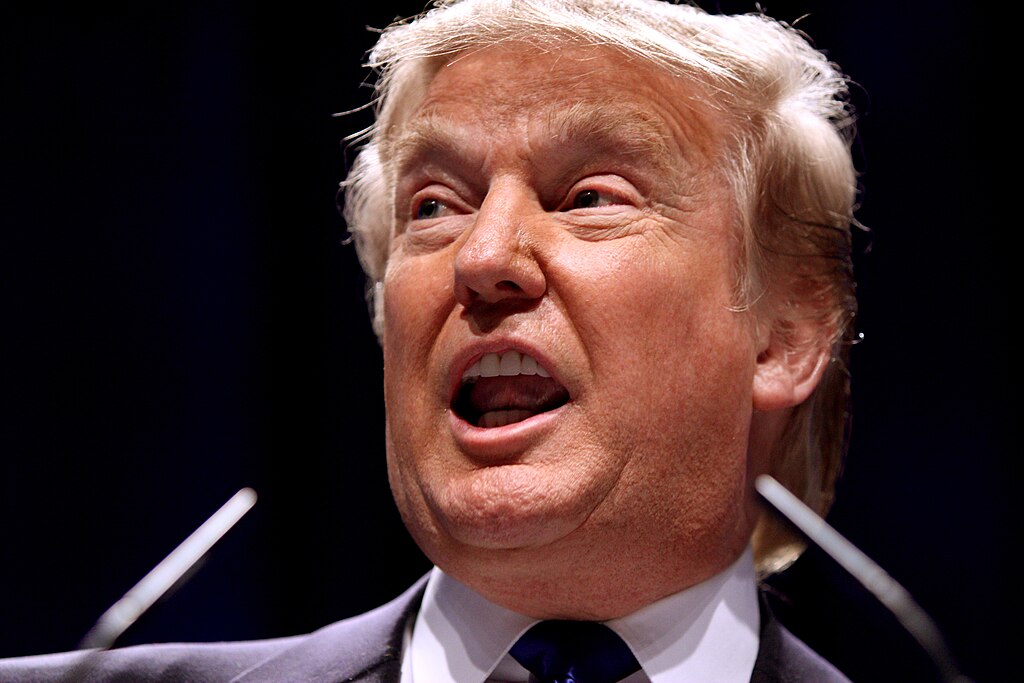
Trump threatened intensified attacks on Iran, stressed U.S. energy independence, and urged allies to secure supply routes, as tensions escalated.
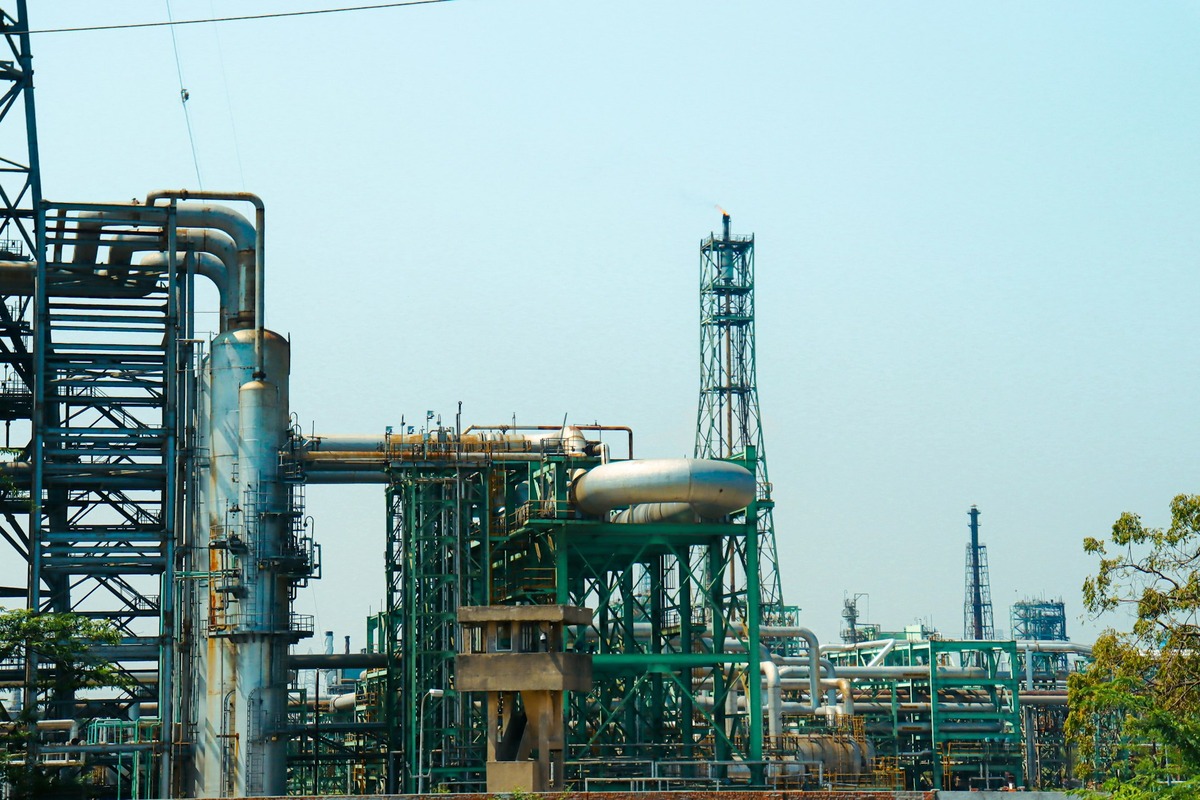
Oil prices tumbled from near $120 to below $90 after G7 reassurances calmed markets, though risks persist amid the ongoing U.S.–Iran conflict and Hormuz disruption.
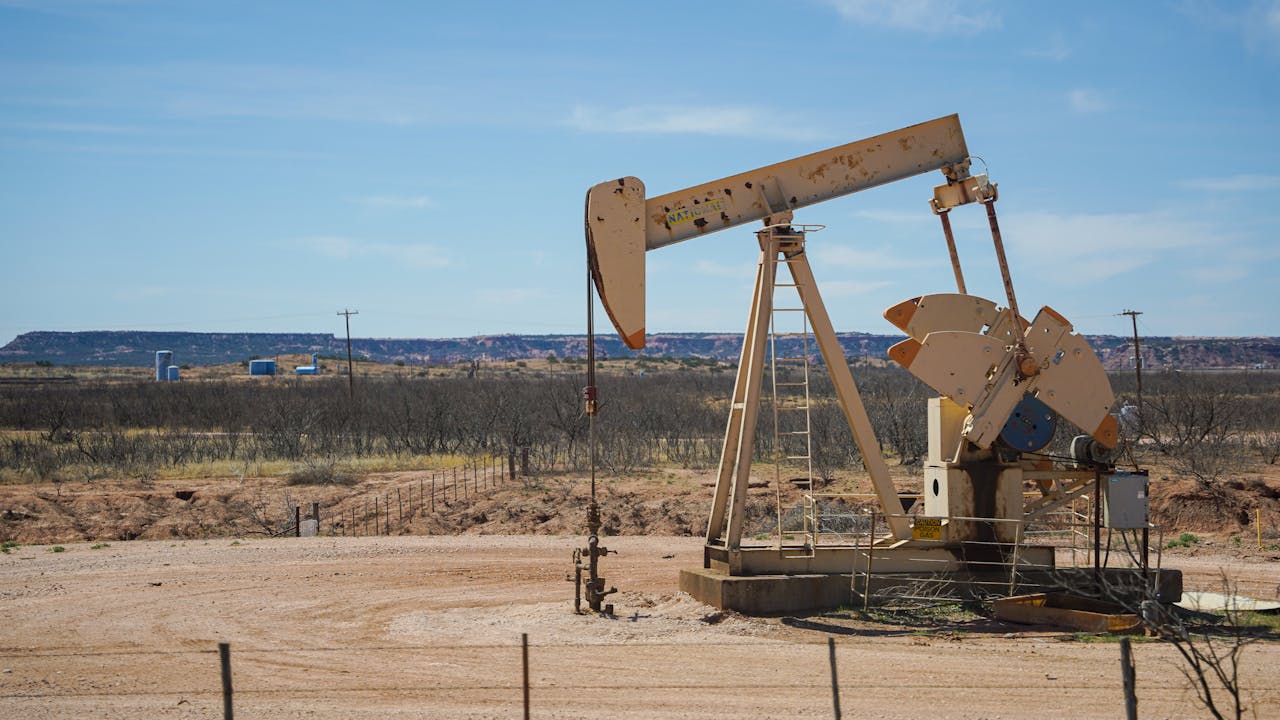
Renewed geopolitical tensions around the Strait of Hormuz and a refinery explosion in Texas heightened supply concerns, driving a broad-based rebound across crude, fuels, and natural gas markets.

The April WASDE report showed U.S. wheat, corn and soybean ending stock maintained unchanged, with modest price gains across major crops.

Surging wholesale inflation and a near-certain Fed pause converge, with 100.5 flagged as the decisive technical breakout level to watch for the dollar futures.

Oil prices rebound as Iran escalates Hormuz attacks, undermining record IEA reserve release and raising doubts about the market-calming impact.

February CPI met expectations and hit a five-year core low, but energy shocks and policy distortions may keep the Federal Reserve cautious on rate cuts.
Middle East tensions disrupt LNG flows, sending global gas benchmarks soaring while U.S. prices lag amid domestic oversupply.

Labor market data hinted at a tentative recovery, with steady jobless claims, declining layoffs, modest hiring plans and productivity growth.

Manufacturing growth held up in February as production and new orders remained firm, according to two separate surveys released Monday.
US stock futures recover, while Oil slumps as markets breathe sigh of relief on US-Iran ceasfire.
OPEC+ kept output unchanged, and geopolitical fears eased, sending oil down over 5%, with traders eyeing key $61 support levels.