All Articles
Browse our complete collection of financial news and analysis
Browse our complete collection of financial news and analysis
Browse our complete collection of financial news and analysis

German business sentiment fell as firms cited war-driven oil shocks, delaying recovery but the euro stayed resilient.

The Euro weakened as business and consumer sentiment weakened and inflation expectations rose, as geopolitical tensions from the Middle East conflict increased uncertainty.

Gold enters a bear market as rising yields and a stronger dollar outweigh geopolitics, with macro forces driving risks and future direction.

U.S. services PMI weakened in March as Iran war disruptions lifted costs and hurt employment, while markets rallied on softer data amid hopes the Fed may take a dovish stance.

The spike in March CPI was attributed almost entirely to the gasoline prices, which jumped 21.2% following a mere 0.8% increase in February.

The U.S.-Iran war has dented consumers’ morale notably in April, with near-term inflation expectations increasing further from March levels.

Germany’s wholesale inflation surged on energy and metals costs, complicating ECB policy outlook, with markets pricing fewer rate hikes despite persistent price pressures.

Escalating Middle East tensions lifted oil and increased risk aversion but Morgan Stanley makes the case that the correction may be coming to an end.
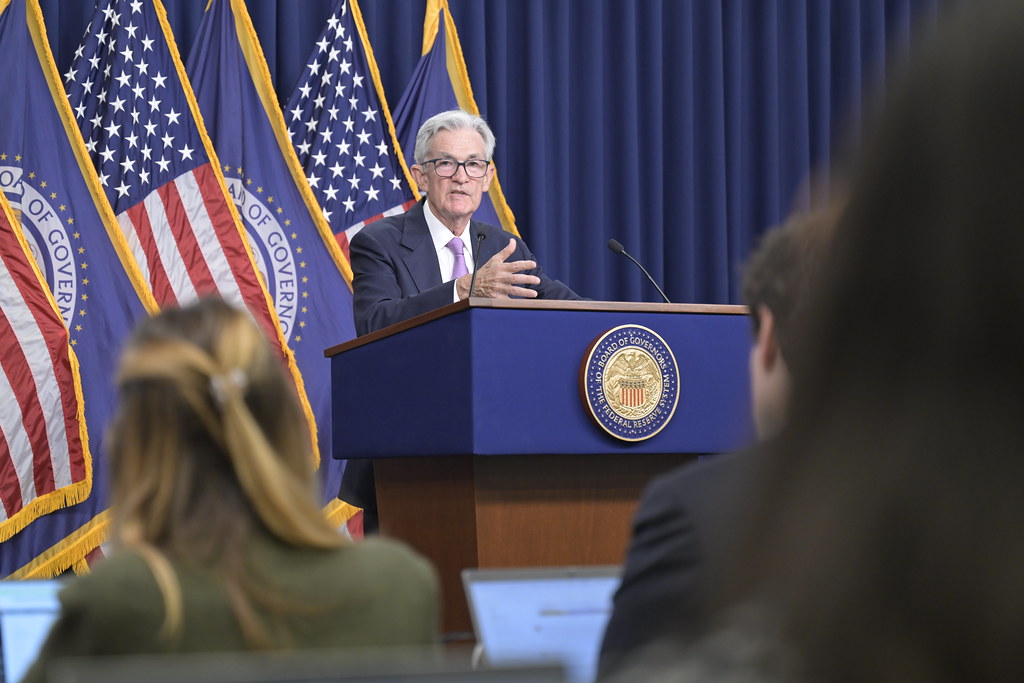
Powell signaled a “wait-and-watch” approach for assessing the inflationary effects of the supply shock stemming from the U.S.-Iran war and expressed confidence in inflation returning to the central bank’s target.

Markets rebounded after war-driven selloff, supported by resilient earnings, easing volatility, and AI-led tech strength, with strategists expecting momentum to continue despite geopolitical risks and upcoming Fed decision.

EA sharply cut demand forecasts for 2026, citing conflict disrupted supply, reduced refinery activity, tightened inventories outside the Middle East, and elevated prices.

The labor market showed early signs of cooling in February, with job openings declining and hiring slowing but consumer confidence edged up in March, accompanied by rising inflation expectations and growing recession fears.