All Articles
Browse our complete collection of financial news and analysis
Browse our complete collection of financial news and analysis
Browse our complete collection of financial news and analysis

Geopolitical disruptions have tightened global energy markets, pushing prices higher in the near term, with normalization expected only if supply flows recover.

Consumers expect higher near-term inflation driven by surging energy prices, while long-term expectations stay stable, and this could leave the Federal Reserve cautious on rates.

Oil surged above $116 as supply risks arising from the Iran war intensified, supported by a weaker dollar, tight physical markets, strong backwardation, and rising speculative positions.

U.S. futures declined as Iran tensions escalated and deal prospects dimmed, while mixed durable goods data added uncertainty, with investors closely watching upcoming inflation data and Federal Reserve signals.

Weak PMI and sentiment data signal slowing eurozone growth, driven by softer services activity, declining business confidence, rising cost pressures, amid the ongoing geopolitical tensions.

Ceasefire hopes briefly lifted sentiment, but Iran’s rejection kept tensions high, sending oil higher and leaving equities volatile while the dollar held steady amid uncertainty.

U.S. services PMI weakened in March as Iran war disruptions lifted costs and hurt employment, while markets rallied on softer data amid hopes the Fed may take a dovish stance.
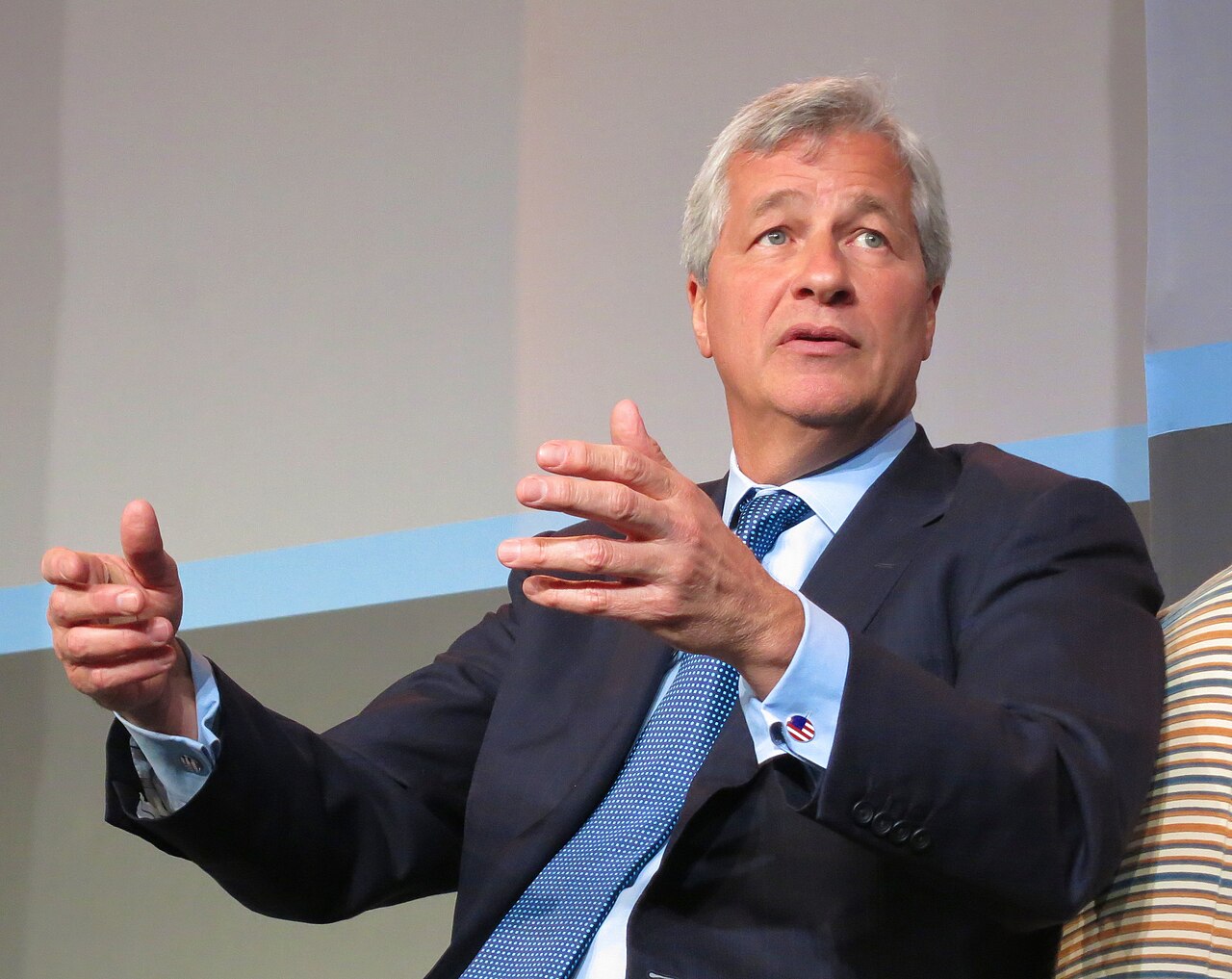
Jamie Dimon warns geopolitical tensions and supply shocks may drive persistent inflation and higher rates, while urging policy reforms, stronger alliances, and investment to boost U.S. economic growth.

U.S. job growth rebounded strongly in March, signaling a resilient labor market that could delay Federal Reserve rate cuts despite ongoing inflation concerns and a slight decline in labor force participation.

Equity futures tumbled as escalating Middle East tensions and unclear policy signals drove investors toward safety, boosting oil prices and Treasury yields while attention shifts to upcoming labor market data.

Trump threatened intensified attacks on Iran, stressed U.S. energy independence, and urged allies to secure supply routes, as tensions escalated.

Hiring beat forecasts with sector divergence, retail demand rebounded across categories, and factory output grew despite weak exports, rising costs and delays, with uncertainty likely to pressure upcoming services activity.