All Articles
Browse our complete collection of financial news and analysis
Browse our complete collection of financial news and analysis
Browse our complete collection of financial news and analysis
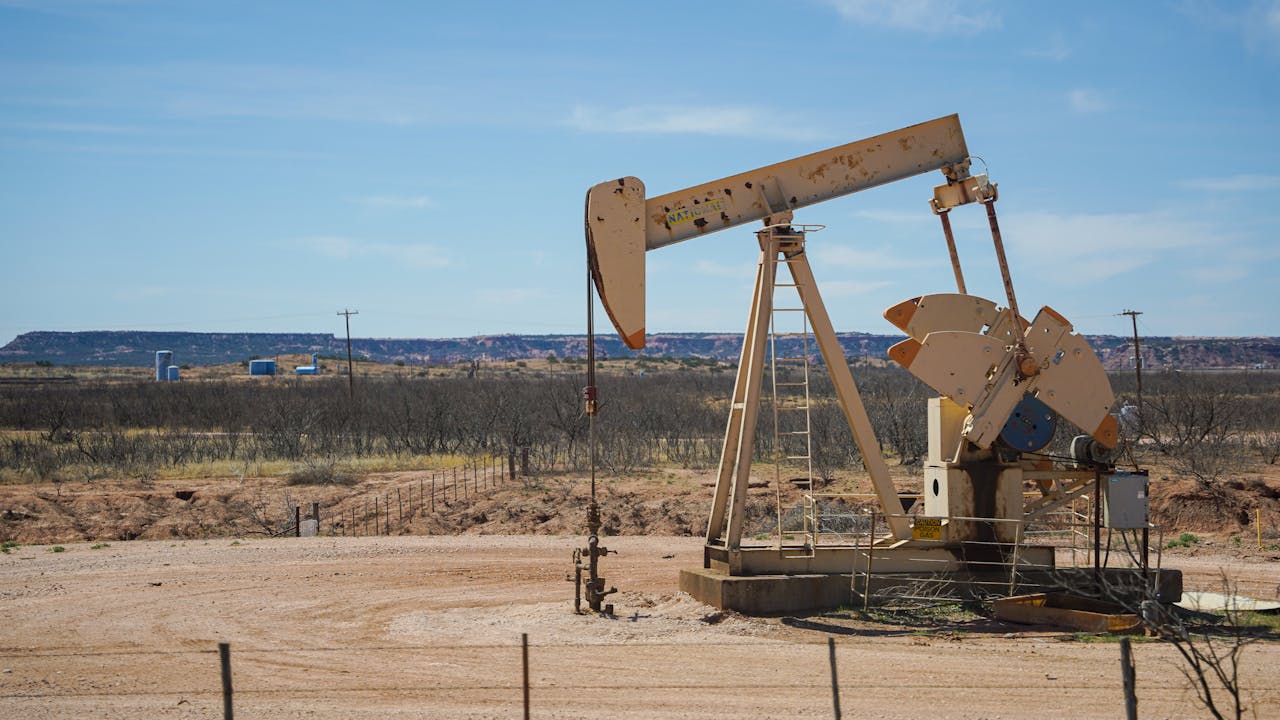
Oil demand growth is expected to remain strong for the year, while supply growth will likely remain modest, even as geopolitical risks drive volatility in energy markets.
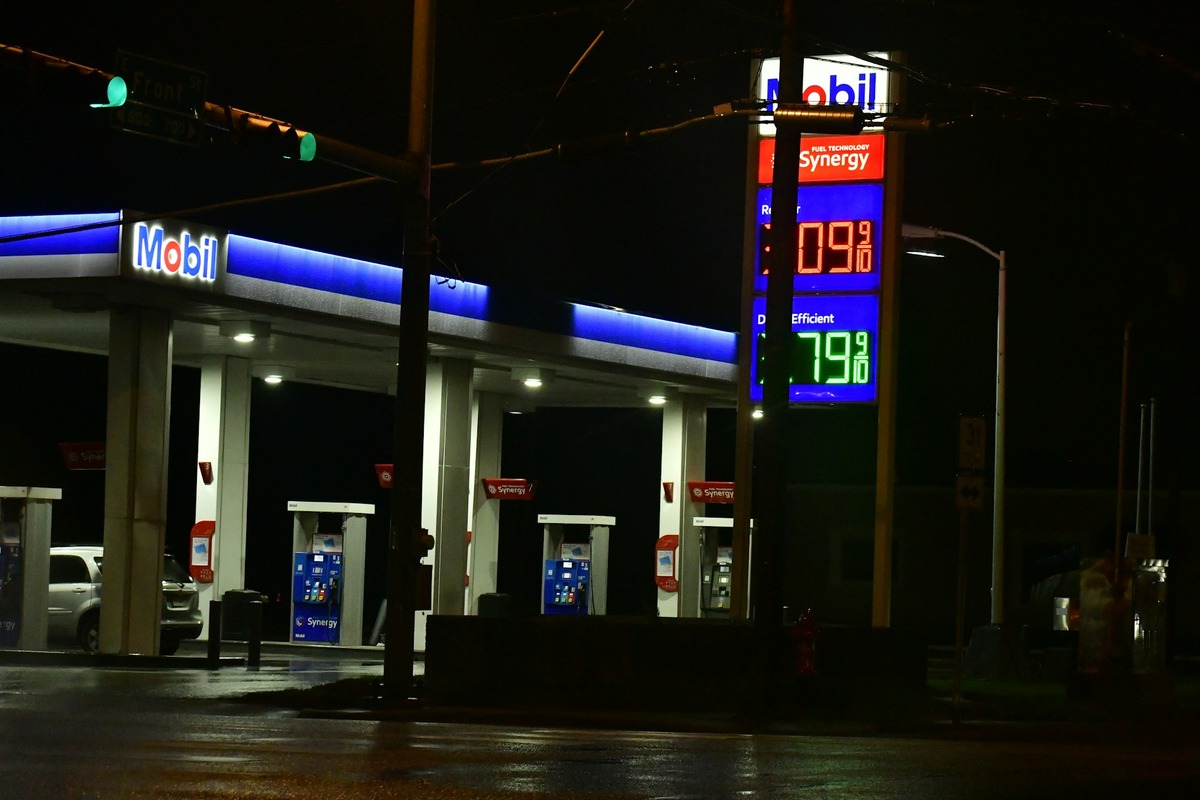
The U.S.-Iran war has dented consumers’ morale notably in April, with near-term inflation expectations increasing further from March levels.

The month-over-month (MoM) CPI rate was the largest monthly jump since 2022, with energy alone contributing 0.7 percentage points.

The spike in March CPI was attributed almost entirely to the gasoline prices, which jumped 21.2% following a mere 0.8% increase in February.

U.S. stock futures traded cautiously after a strong rally, with gains cooling as investors awaited key inflation data, while geopolitical tensions and rising energy prices continued to shape near-term market sentiment.

The April WASDE report showed U.S. wheat, corn and soybean ending stock maintained unchanged, with modest price gains across major crops.

Weak income, soft real spending, and downward GDP revisions signal slowing U.S. economic momentum, while persistent inflation keeps pressure on the Federal Reserve.

Mixed labor signals and steady hiring trends, alongside geopolitical risks and inflation uncertainty, are likely to keep the Federal Reserve cautious and delay potential interest rate cuts.
Fragile U.S.-Iran ceasefire tensions, stalled Hormuz oil flows, and upcoming economic data could weigh on markets, pulling the S&P 500 futures lower after a strong rally driven by initial geopolitical optimism.

FOMC minutes reveal divisions as policymakers weigh inflation risks, labor weakness, and geopolitical uncertainty, signaling flexibility on rate hikes or cuts while emphasizing data dependence and a cautious, meeting-by-meeting approach.
US stock futures recover, while Oil slumps as markets breathe sigh of relief on US-Iran ceasfire.
The U.S. dollar weakened as easing geopolitical tensions reduced safe-haven demand, prompting an unwinding of long positions, and it remained within its recent range.