All Articles
Browse our complete collection of financial news and analysis
Browse our complete collection of financial news and analysis
Browse our complete collection of financial news and analysis

Durable goods orders declined due to weaker transportation demand, but underlying business investment stayed firm, while housing activity improved, and industrial production strengthened.

Sterling's muted reaction to Starmer's exit masks a bigger story: Fed-BoE divergence, not Westminster politics, is the dominant force.
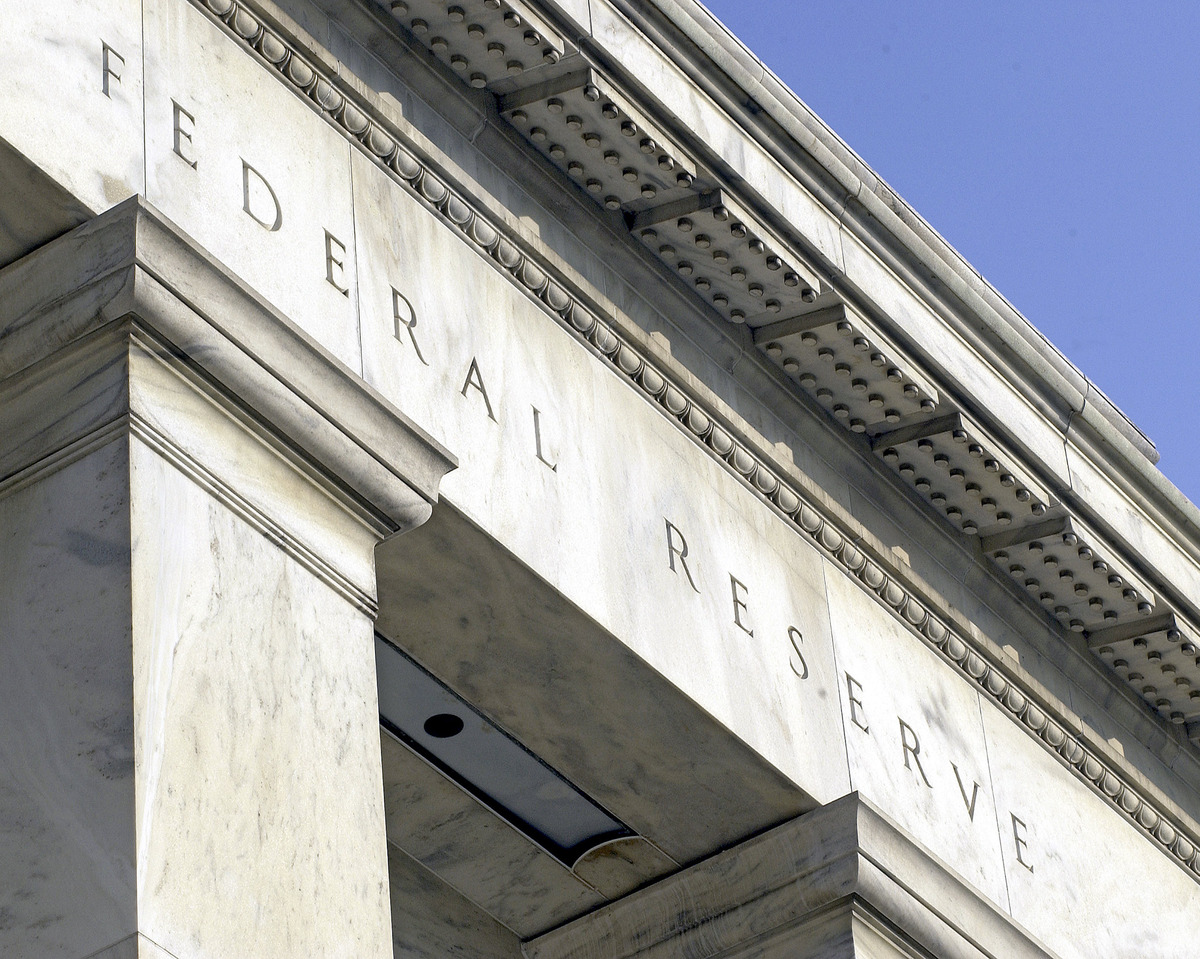
The Fed unanimously held rates while sharply raising its inflation projections, with energy-led supply shocks driving PCE forecasts higher

January consumer sentiment beat expectations but remains below last year as inflation worries and labor market uncertainty persist.

Economic data signals stagflation risks as inflation stays sticky and growth softens, while resilient labor markets complicate the Federal Reserve’s policy outlook.
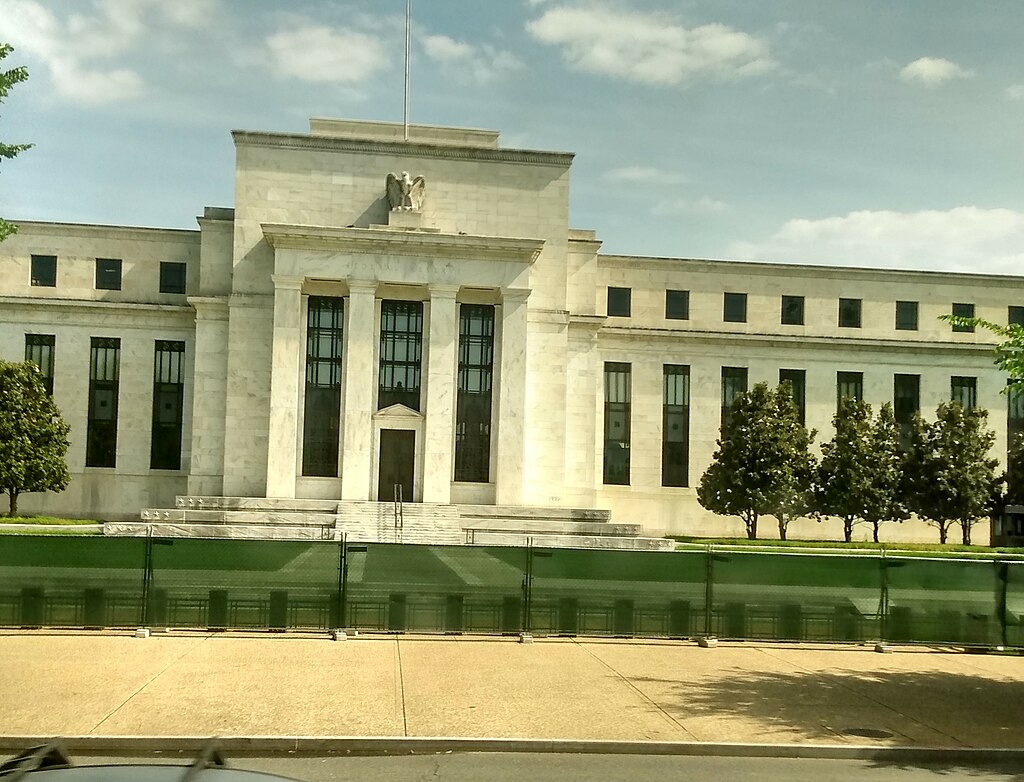
While the market expects a Fed pause, Powell’s tone and leadership uncertainty will drive Treasury futures, and dollar direction, creating short-term trading opportunities.
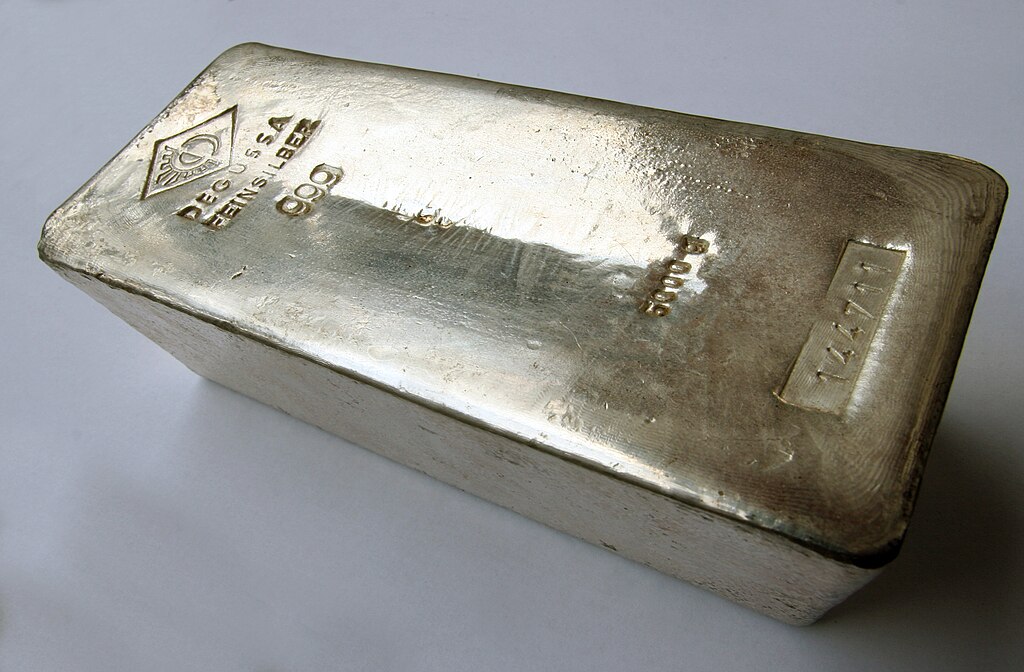
The Gold/Silver Ratio (55:1 to 60:1) signals Silver may outperform Gold. A sixth consecutive year of supply deficits adds to bullish appeal.

U.S. job market's resilience provides leeway for the Fed to act to take on inflationary pressure engendered by the Iran conflict.

The Reserve Bank of Australia delivered a narrowly split 25-bps hike to 4.10%, signaling a renewed tightening bias as persistent inflation and war-driven energy shocks complicate the policy outlook.

BoJ kept rates at 0.75% even as members weighed in on the impact of the Middle East conflict, with the yen strengthening slightly and stocks remaining subdued.

Copper prices slipped after Trump’s Section 232 update eased near-term tariff fears, while stronger jobless claims data supported the dollar and reduced expectations for Fed rate cuts.

Euro area GDP grew just 0.1% in Q1, while April inflation jumped to 3%, driven by soaring energy prices as the U.S.-Iran war triggers a supply shock.