All Articles
Browse our complete collection of financial news and analysis
Browse our complete collection of financial news and analysis
Browse our complete collection of financial news and analysis
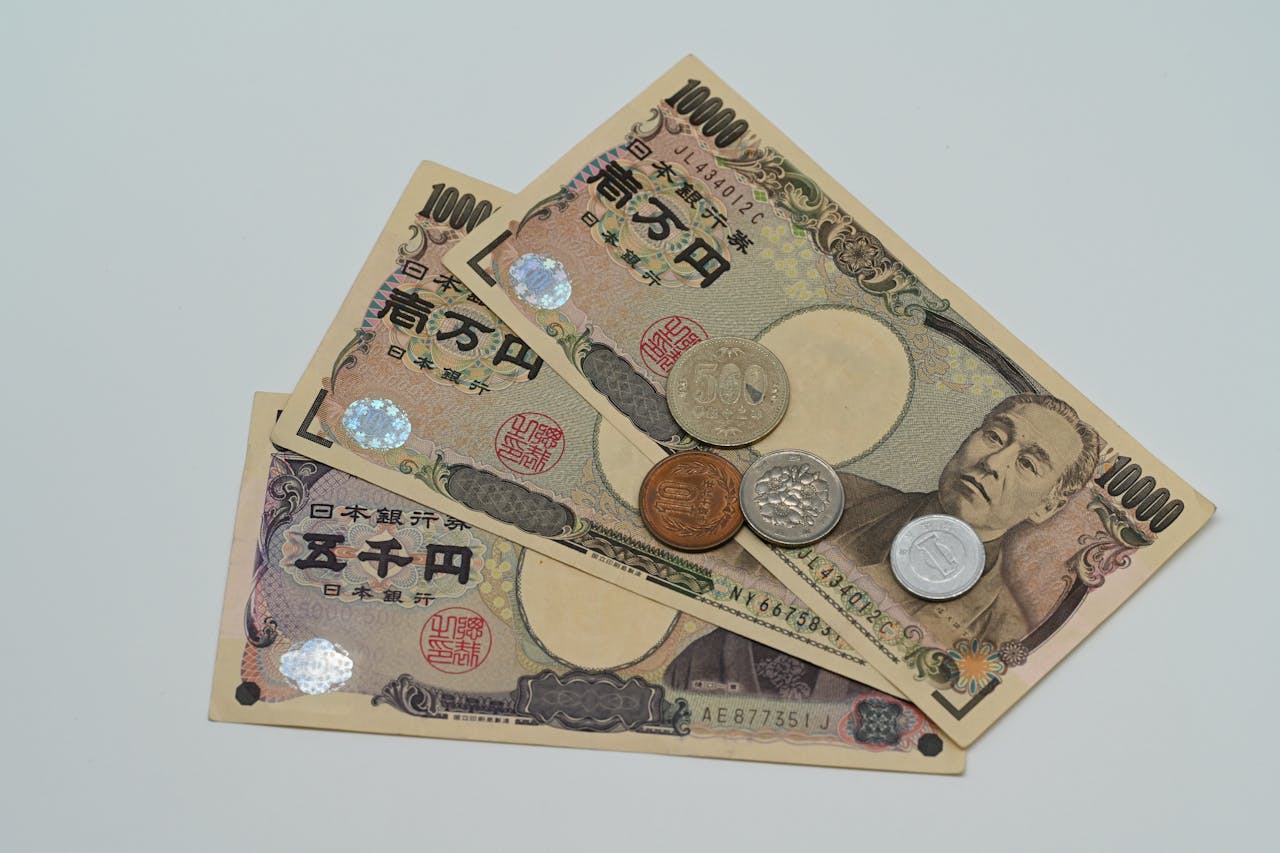
The yen is under pressure from a wide US-Japan rate differential fuelling carry trades, Japan's expansionary fiscal policy, and an energy import shock — forces the BoJ's gradual tightening has so far failed to offset.

Despite the BOJ hiking to a 31-year high of 1%, the yen holds above 160 as negative real rates, wide Fed differentials, and Uchida's vague guidance keep carry trades firmly intact.

Gold enters a bear market as rising yields and a stronger dollar outweigh geopolitics, with macro forces driving risks and future direction.

Korea's central bank held at 2.50% but shifted hawkishly, as Iran-driven oil prices spiked inflation, with rising commodity costs and supply-chain disruptions threatening global growth and monetary policy.
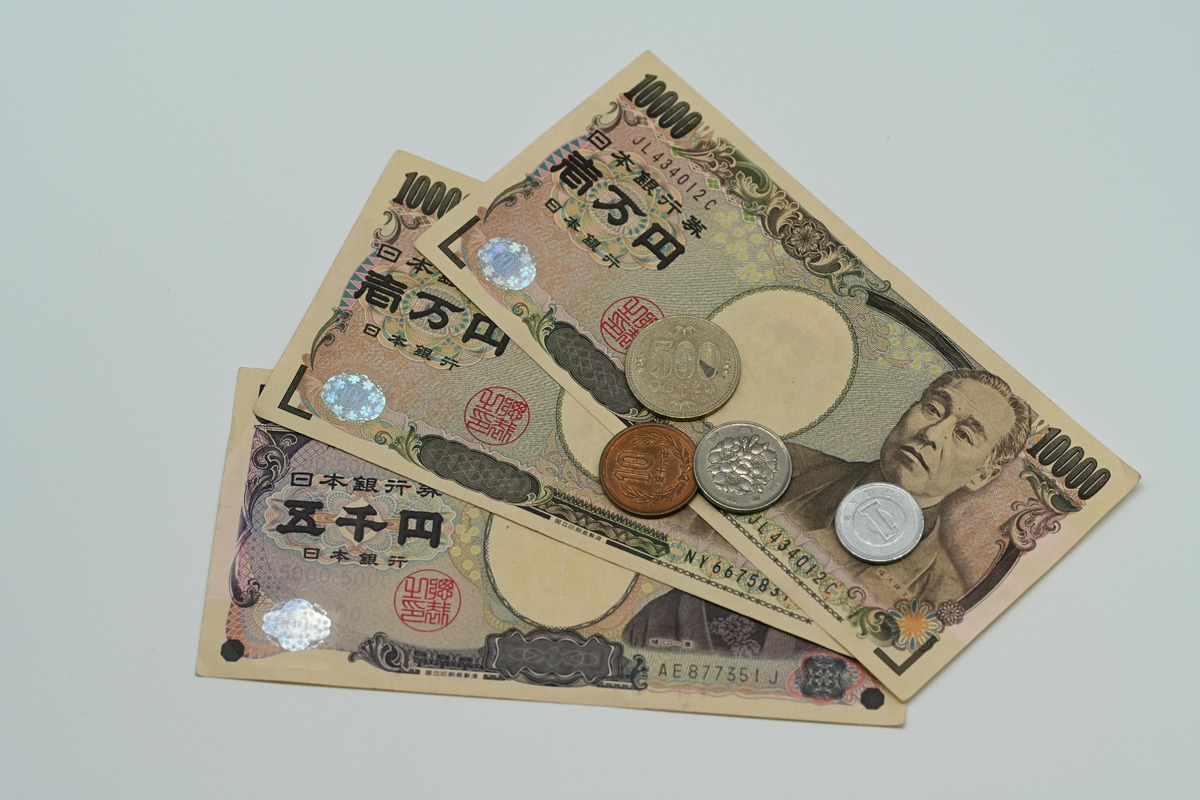
Japan appears increasingly willing to defend the yen against excessive weakness, but lasting currency gains typically require support from narrower rate differentials, Fed easing, or coordinated global action.
Economists warn supply-driven inflation from energy shocks complicates policy, with divided BoJ members, cautious guidance from Ueda, negative real rates persisting, and limited impact of near-term hikes on the yen.

Australia's central bank hiked its benchmark rate for a third straight month, bringing rates to near levels seen before the two cuts announced last year as Middle East conflict-driven energy prices pushed inflation to a three-year high.
USD/JPY breaches 162 for the first time since 1986 as widening rate differentials, Takaichi's $2.3 trillion fiscal package, and hedged Nikkei inflows pressure the yen despite Tokyo's verbal warnings.

Although the consensus is for a Bank of Japan pause, some voices on the Street do not rule out a preemptive strike to contain inflation expectations stemming from the U.S.-Iran conflict.

G10 central banks hold rates steady and issued cautious commentary, citing Iran war-driven energy shock risks, and the forex market showed muted reaction to the decisions.
With USD/JPY back above 160 and $73 billion in intervention failing to hold, the yen's fate hinges on whether the BoJ's gradual hikes can meaningfully narrow a 290-basis-point rate gap.

The yen futures edged higher on the data, although the Japanese unit fell against the dollar in the cash market amid the broader dollar strength; But an economist braced for weaker growth ahead due to war impact.