All Articles
Browse our complete collection of financial news and analysis
Browse our complete collection of financial news and analysis
Browse our complete collection of financial news and analysis

Markets brace for volatility as Iran tensions persist and inflation concerns halt rate cut hopes. Traders are also pivoting to the massive SpaceX IPO, with the Nasdaq debut set for tomorrow
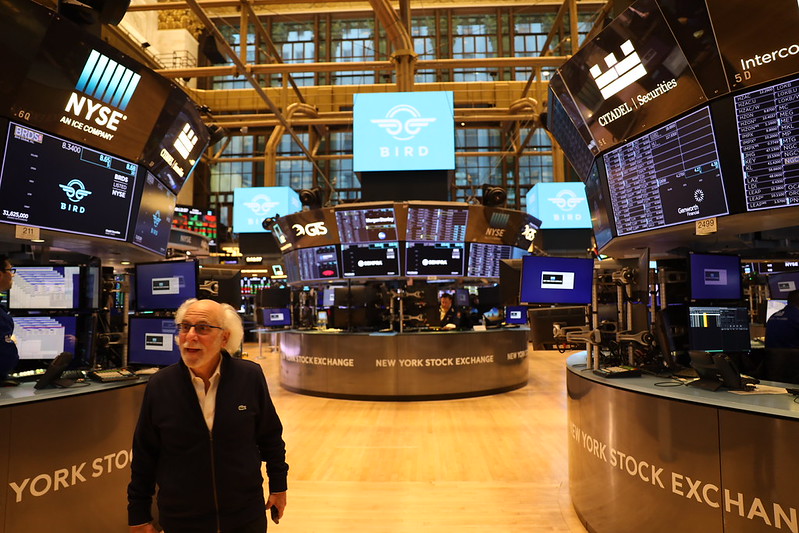
The Nasdaq is erasing three weeks of AI gains as Broadcom's weak outlook, hot jobs data, and Middle East tensions converge; Oracle reports tonight and a blowout quarter may be the only cure.
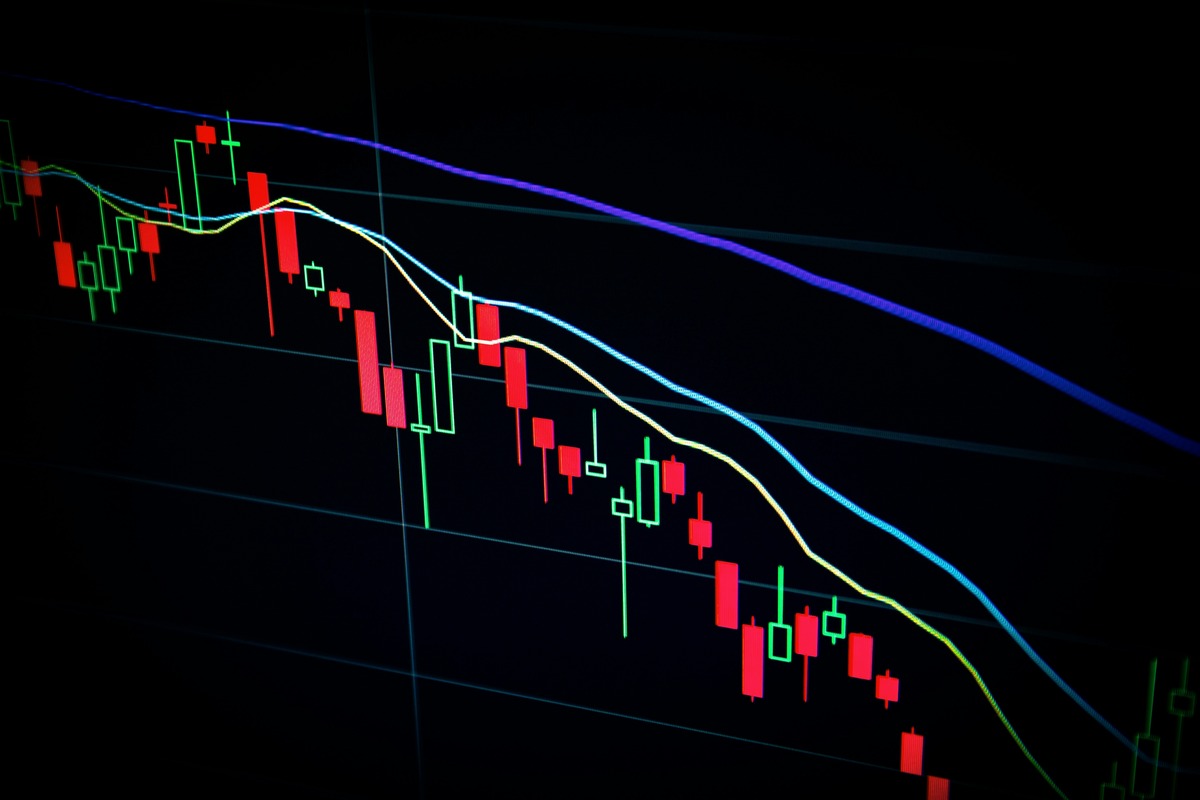
Tech-driven volatility gripped Wall Street as geopolitical tensions, rising inflation, and Federal Reserve rate hike fears sparked a rotation out of growth stocks, hammering the Nasdaq while broader indices held relatively steady.
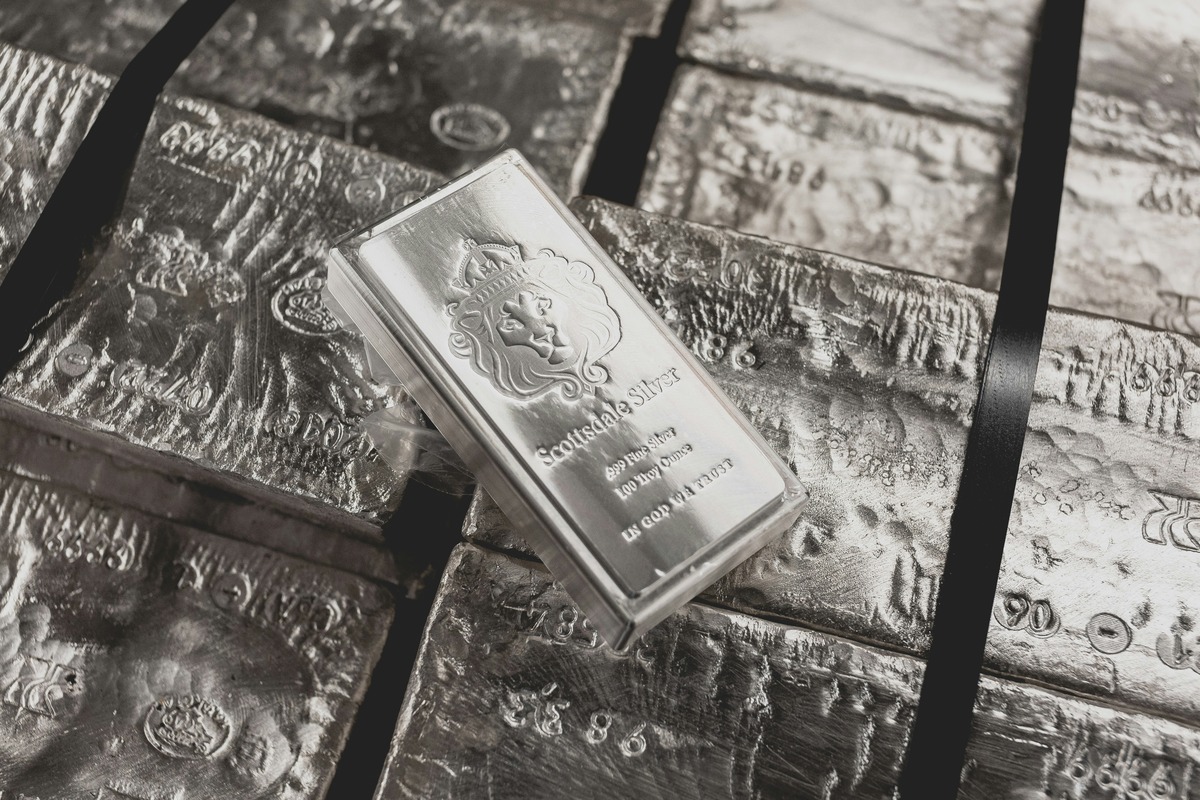
Silver faces intense selling pressure as a strengthening dollar and hawkish rate bets fuel a market washout, overriding recent bullish positioning in the latest Commitment of Traders report.

The much stronger-than-expected job gains is likely to cement a pause decision at the upcoming June 16-17 FOMC meeting, the first meeting to be chaired by Kevin Warsh.
Silver bulls are grinding as COT data shows bulls remain cautious before NFP and Fed policy updates.

April job openings beat expectations, signaling labor market resilience, though lagging data and falling hires cloud the outlook ahead of the FOMC meeting.

Ceasefire optimism has stripped 18% off RBOB gasoline futures since May, but weakening consumer finances suggest the selloff may have legs well beyond any Middle East resolution.

Oil and the USD Index slide as markets price in de-escalation, but the deal awaits Trump's final approval. Will it prove sustainable this time?
S&P 500 and Nasdaq are at record highs, but "narrow breadth" signals a fragile bull market. Let us distinguish true buy zones from accelerating institutional selling pressure.
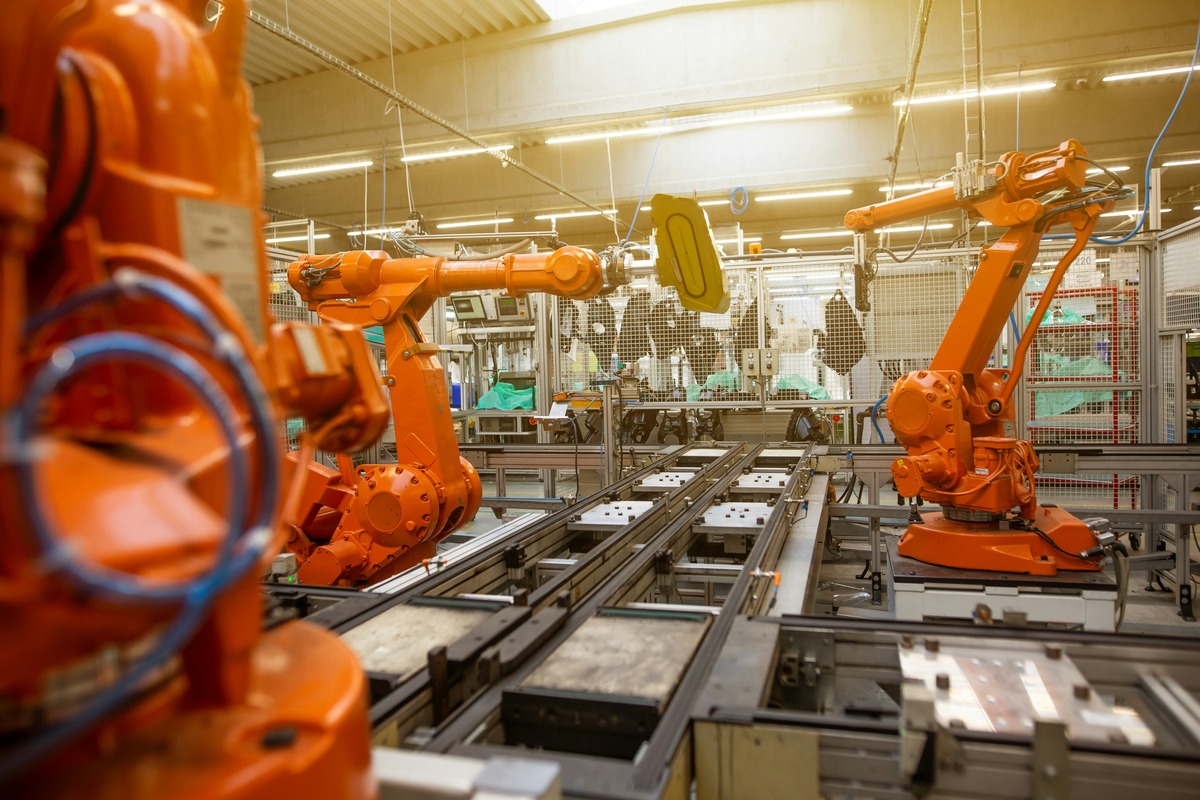
S&P Global’s Chris Williamson warned that the May PMI indicates that the economy will struggle to manage annualized GDP growth of much more than 1% in the second quarter as a stock-building boost for the manufacturing sector may not last.
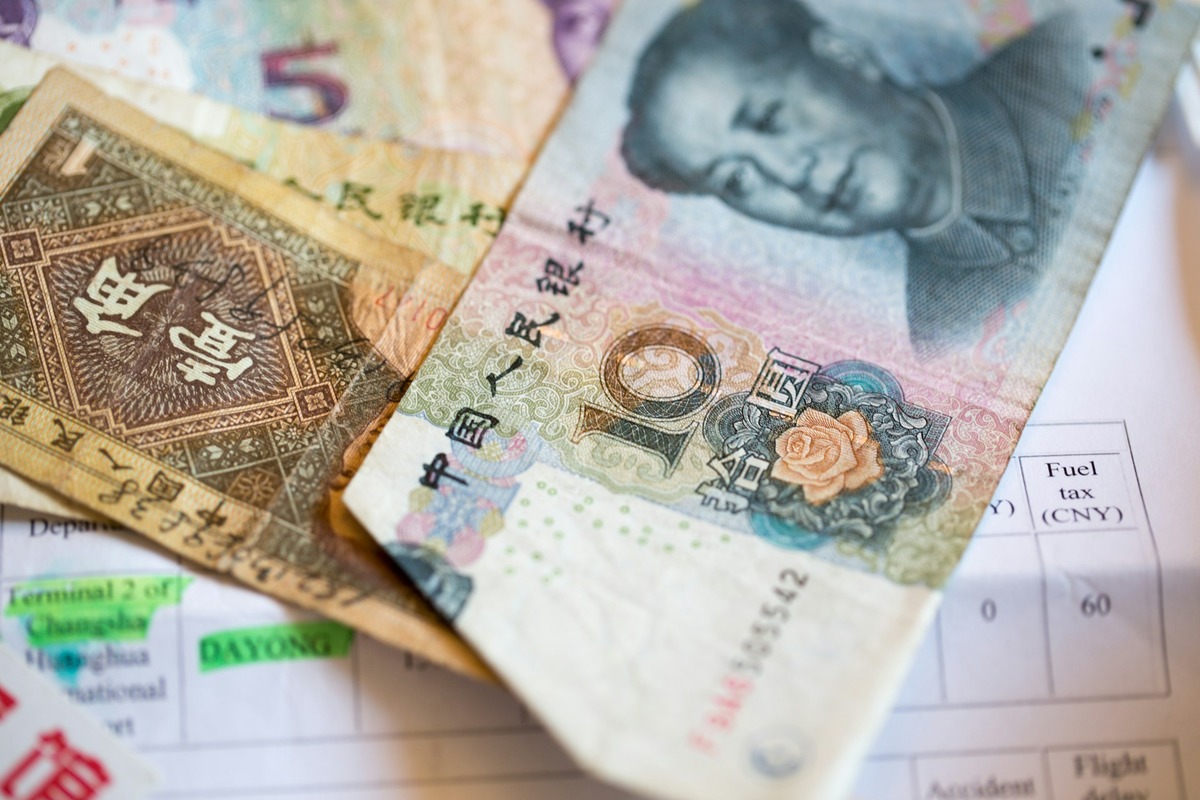
As China April indicators weaken broadly, economists warn fading policy-driven demand and domestic sluggishness may prompt further government measures despite inflation concerns.