All Articles
Browse our complete collection of financial news and analysis
Browse our complete collection of financial news and analysis
Browse our complete collection of financial news and analysis
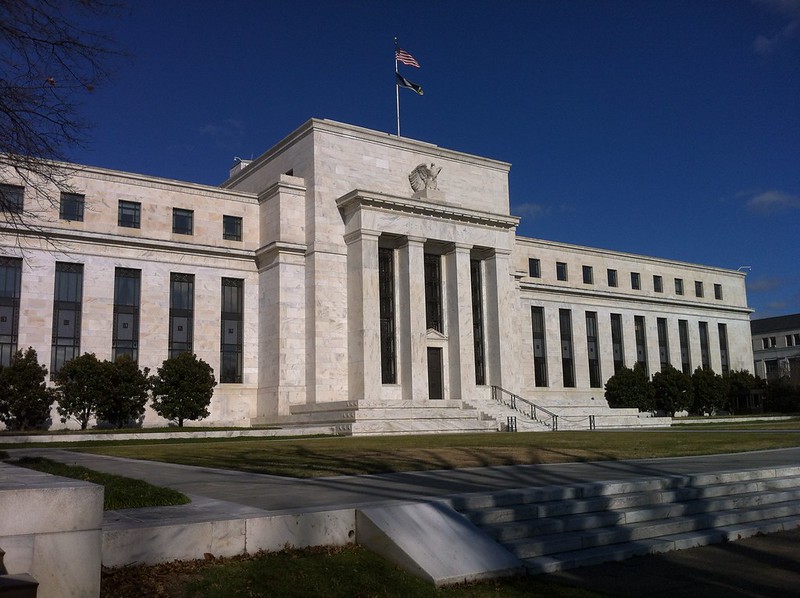
Kevin Warsh leads his first FOMC meeting as Fed Chair. With a divided committee and a US-Iran deal altering the inflation outlook, markets await his signal on the future of rate policy.
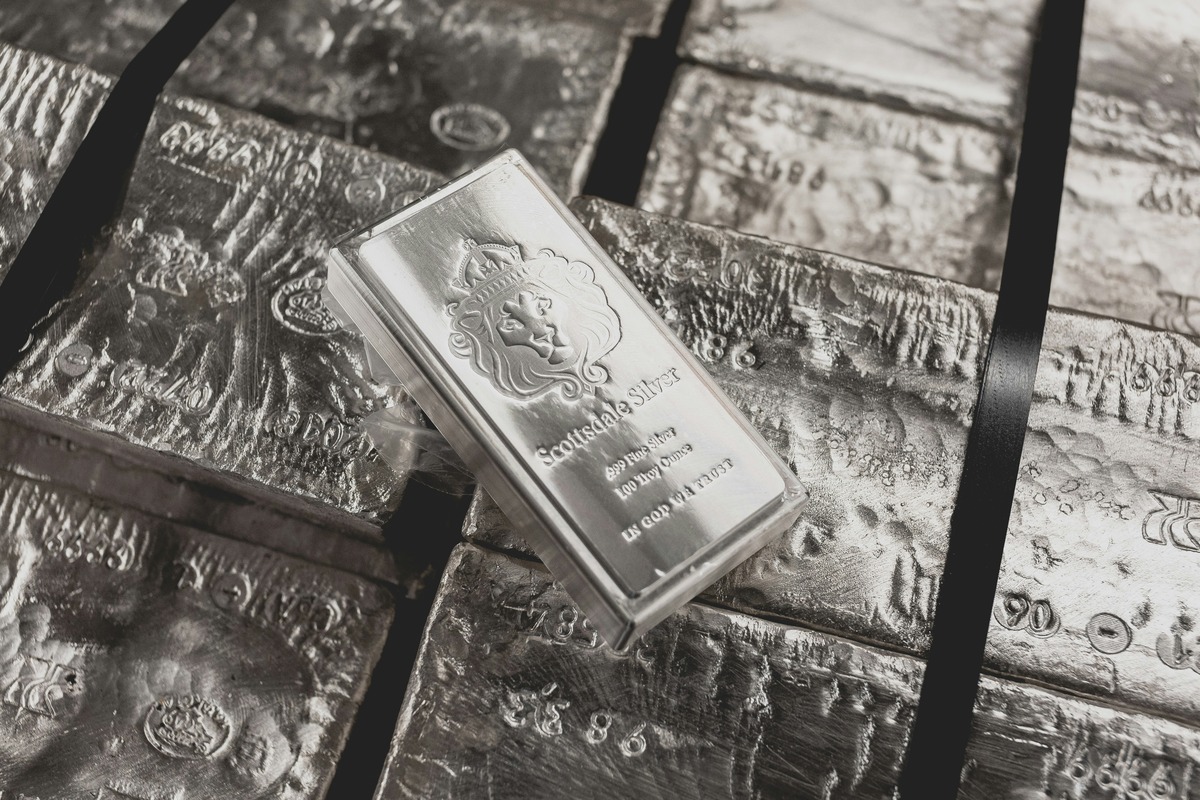
Silver futures hover at $70 as the market anticipates the FOMC decision. With institutional targets high and industrial demand strong, will Fed Chair Warsh provide the dovish signal for a rally?
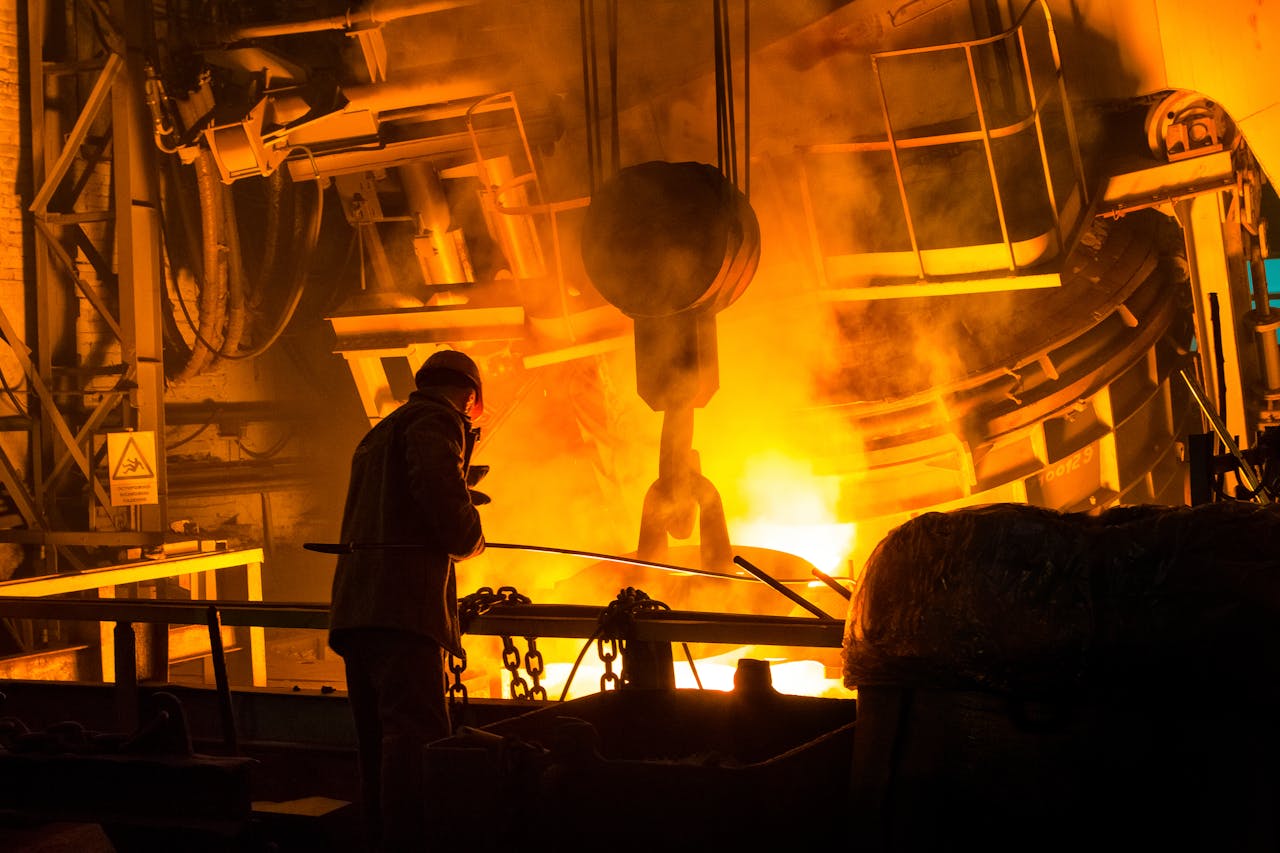
New York manufacturing stalled in March, even as manufacturers remained cautiously optimistic about investment and future business conditions ahead of the FOMC meeting.

Surging gasoline prices, sticky shelter inflation, and a blowout jobs report have converged ahead of Wednesday's print, leaving stocks, bonds and the dollar at critical technical and fundamental inflection points.

Peace deal optimism lifts U.S. equities as Hormuz reopening eases energy supply fears, but FOMC meeting under new Fed Chair Kevin Warsh could confirm the breakout or trigger a bull trap.

The much stronger-than-expected job gains is likely to cement a pause decision at the upcoming June 16-17 FOMC meeting, the first meeting to be chaired by Kevin Warsh.
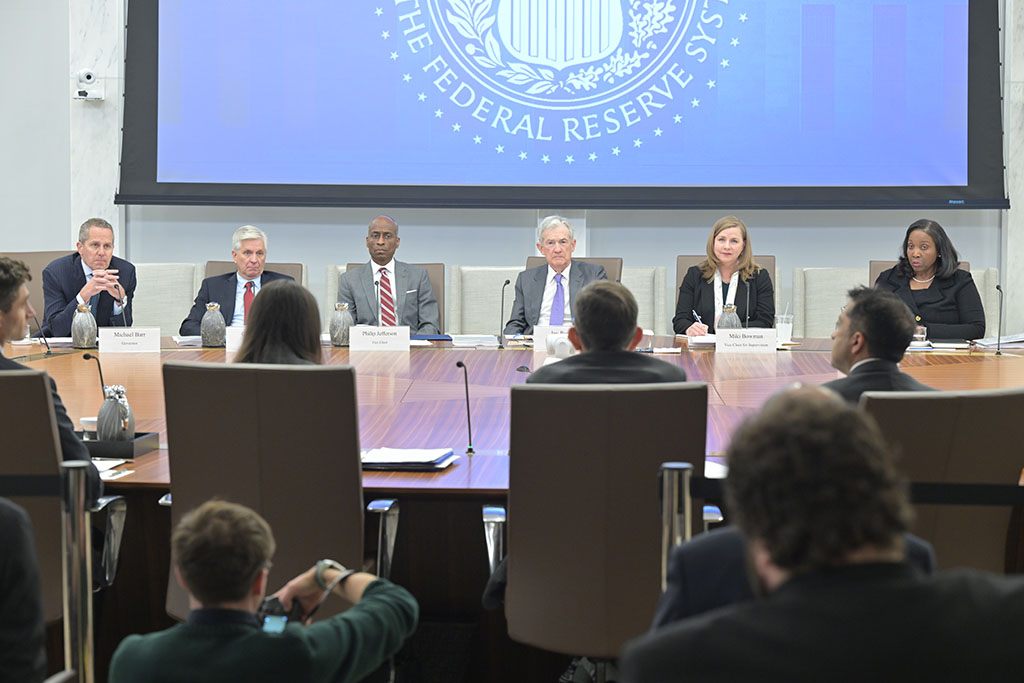
April's FOMC meeting exposed deepening divisions, with members split over rate guidance, easing language, and the path forward amid sticky inflation and Middle East-driven economic uncertainty.
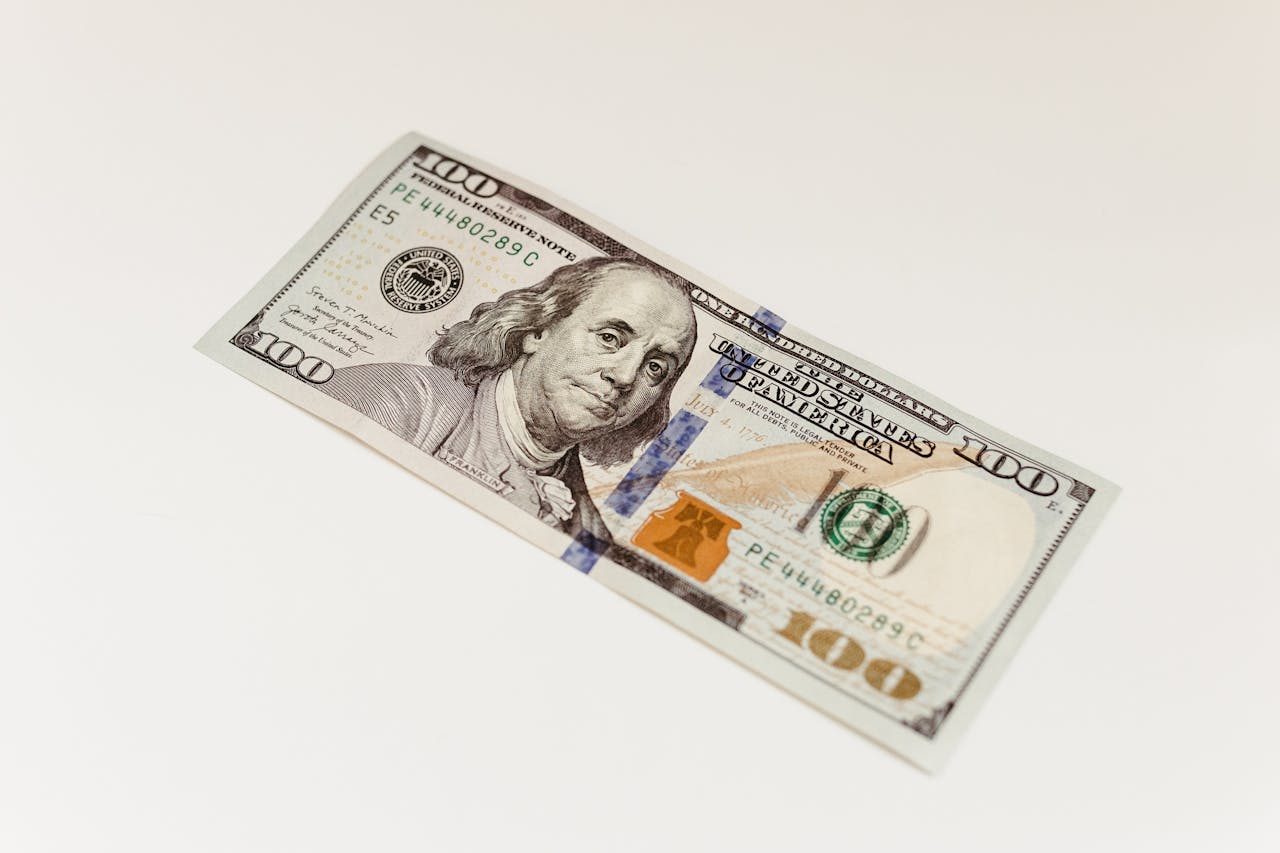
DXY futures traded flat after a data- and FOMC-driven rally, with traders awaiting jobless claims and trade balance for the next directional catalyst.

April job openings beat expectations, signaling labor market resilience, though lagging data and falling hires cloud the outlook ahead of the FOMC meeting.
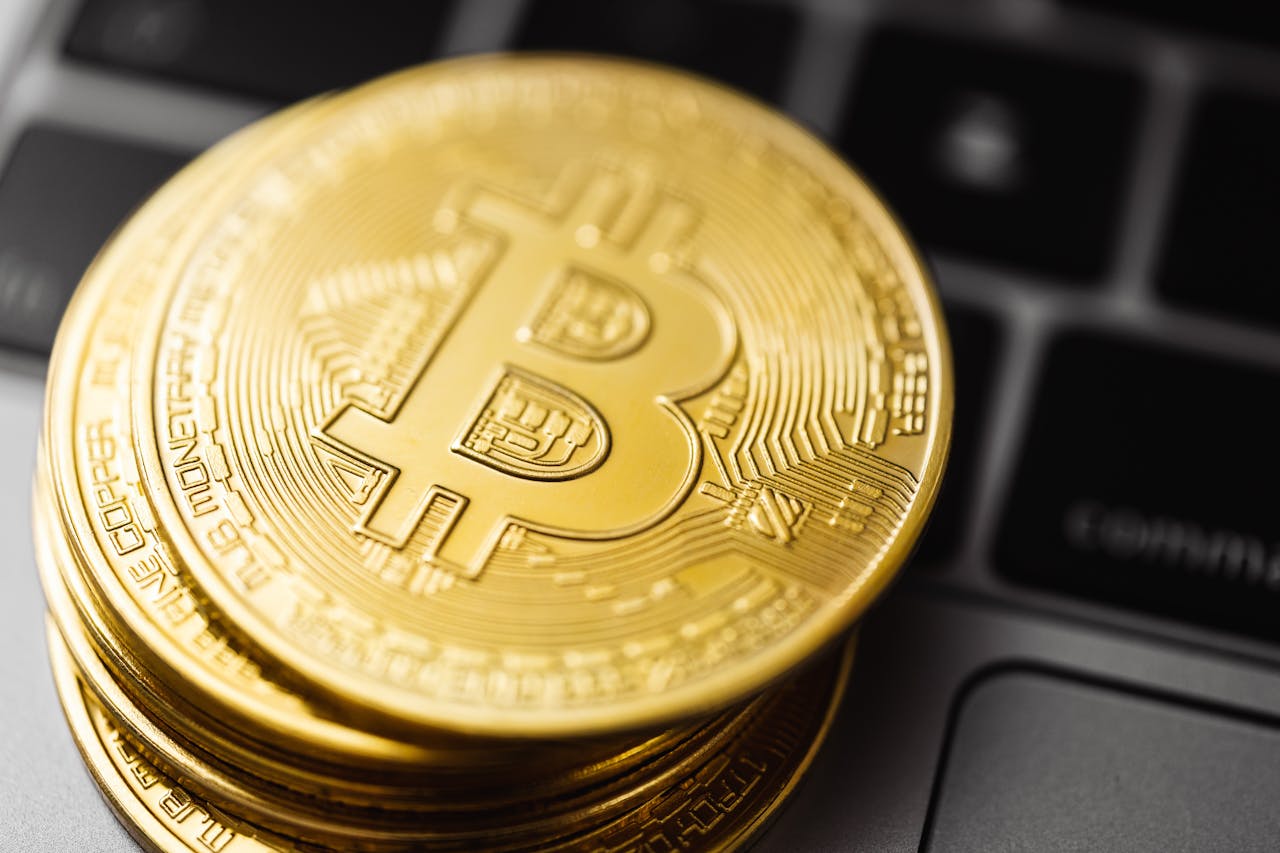
Three headwinds—the SpaceX IPO, Iran deal, and ETF outflows—have cleared. Yet, Bitcoin struggles to rip. Is it lingering scar tissue or hesitation ahead of the crucial FOMC meeting?

Oil fell despite renewed Middle East tensions as traders focused on uninterrupted supply flows and mixed U.S. inflation data. With the FOMC looming and rate-hike risks lingering, bearish technicals kept crude under pressure.
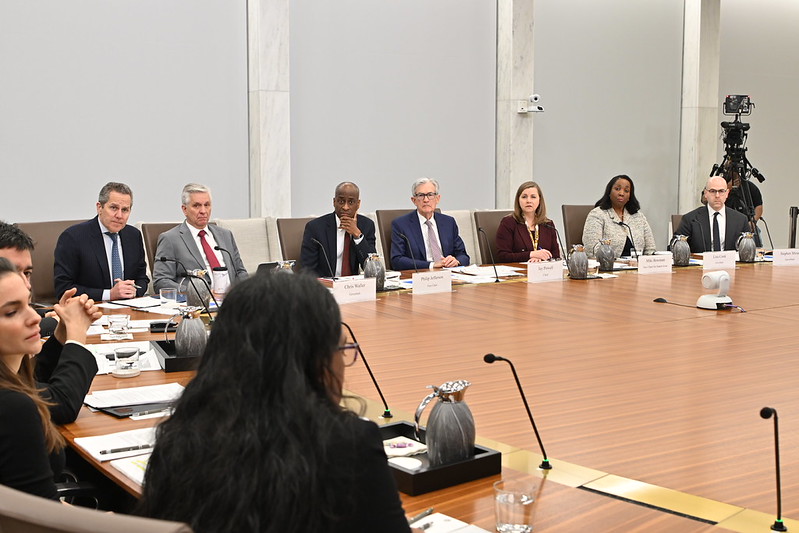
FOMC minutes reveal divisions as policymakers weigh inflation risks, labor weakness, and geopolitical uncertainty, signaling flexibility on rate hikes or cuts while emphasizing data dependence and a cautious, meeting-by-meeting approach.