All Articles
Browse our complete collection of financial news and analysis
Browse our complete collection of financial news and analysis
Browse our complete collection of financial news and analysis

Market participants appear to be pricing in a deal which is yet to be signed as physical market supply shortages persist. How long can this narrative continue?

Markets sold off Wednesday as Iran's attacks on Kuwait shattered ceasefire hopes, while oil surged past $95 on prolonged supply disruption fears.

US manufacturing hit four-year highs in May, but stockpiling, not genuine demand, is partly fueling the surge; Persistent inflation, supply chain stress, and a jobs paradox complicate the bullish headline.
Ceasefire optimism has stripped 18% off RBOB gasoline futures since May, but weakening consumer finances suggest the selloff may have legs well beyond any Middle East resolution.

Oil and the USD Index slide as markets price in de-escalation, but the deal awaits Trump's final approval. Will it prove sustainable this time?

Korea's central bank held at 2.50% but shifted hawkishly, as Iran-driven oil prices spiked inflation, with rising commodity costs and supply-chain disruptions threatening global growth and monetary policy.

Gold trades near $4,400 under hawkish Fed pressure. Institutional long exposure is falling (COT data), signaling a consolidation phase. We map three critical scenarios.

Nasdaq 100 futures dipped Wednesday after the index crossed 30K for the first time. A squeeze setup pits institutional longs against leveraged shorts, while AI spending, rate sensitivity and concentration risk threaten the rally.
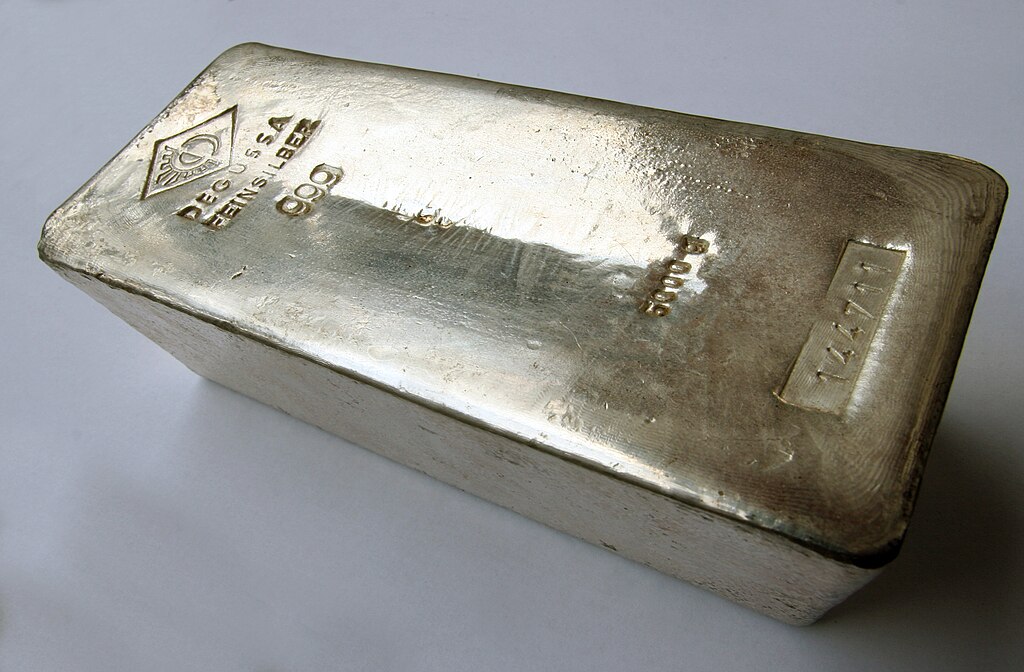
The Gold/Silver Ratio (55:1 to 60:1) signals Silver may outperform Gold. A sixth consecutive year of supply deficits adds to bullish appeal.

Consumer confidence edged downward in May as the inflationary impacts of the war in the Middle East intensified.

Wall Street faces a tightrope walk: Key tests this week include Iran diplomacy, PCE inflation data and earnings as S&P eyes 9th week of gains.

Stock and bond yield correlation is deeply negative, hitting 1990s lows. This stark departure from the norm signals high vulnerability for the S&P 500 to rising yields.