All Articles
Browse our complete collection of financial news and analysis
Browse our complete collection of financial news and analysis
Browse our complete collection of financial news and analysis
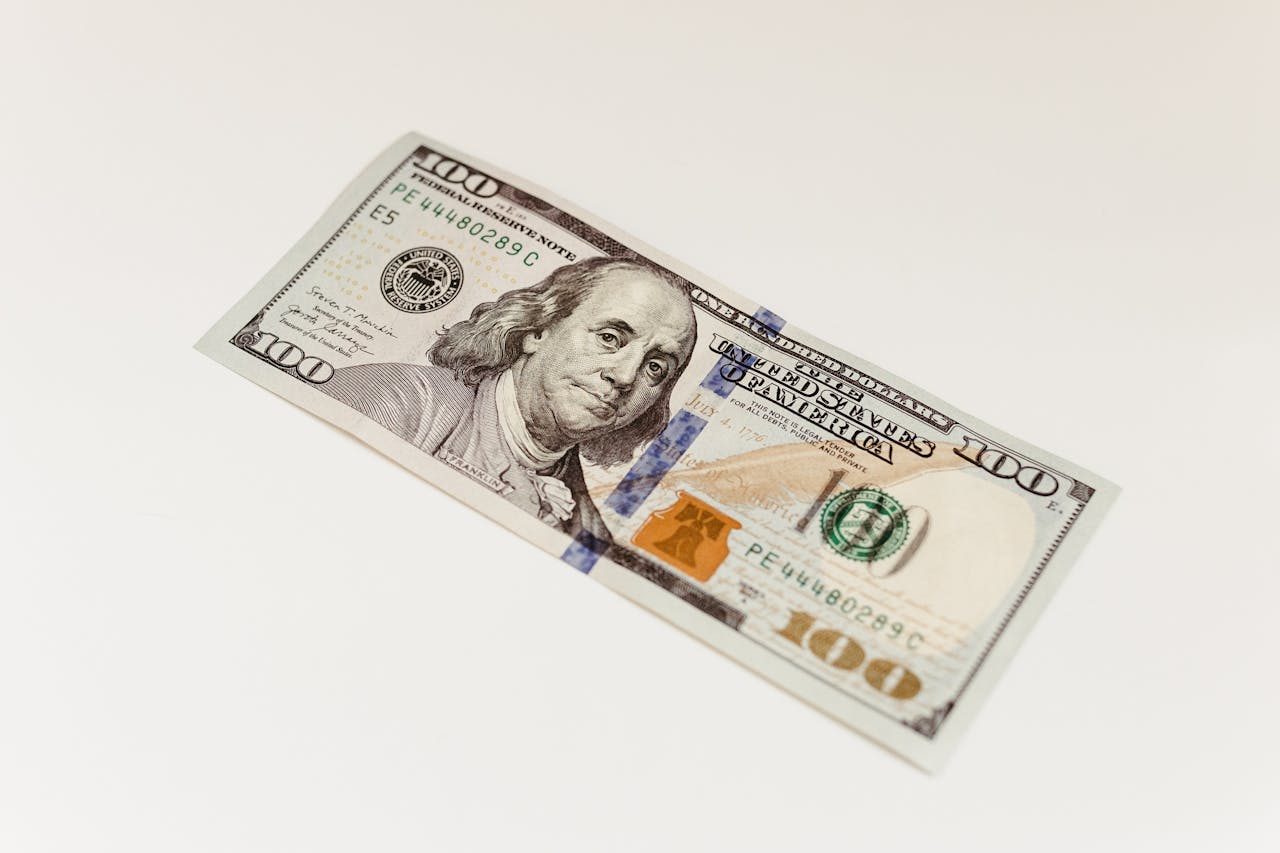
The Dollar Index futures climbed past 99 on safe-haven demand and rate pause bets, while Japanese Yen Futures weakened despite rising yields.
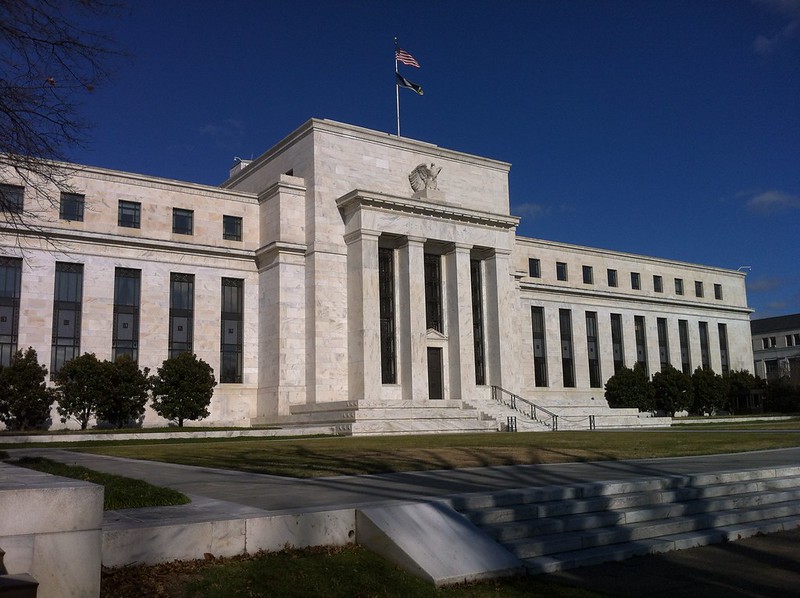
Fed officials highlight sticky inflation, downplay weak jobs data, and caution against premature rate cuts, reinforcing a higher-for-longer policy stance.

New York Fed manufacturing index stayed positive in February, signaling regional expansion, in turn tempering expectations for near-term Fed rate cuts.

Labor indicators point to weakening demand, rising layoffs, and softening hiring momentum, signaling a fragile labor market and cooling wage pressures.

Jobless claims remain low while GDP growth accelerates, signaling labor market resilience, economic momentum, making a case for pausing rate cuts.

The Atlanta Fed’s GDPNow lifted Q4 growth to 5.4%, highlighting strong consumption and investment; equities dipped, dollar firmed, while bond yields fell amid steady-rate expectations.

The much stronger-than-expected job gains is likely to cement a pause decision at the upcoming June 16-17 FOMC meeting, the first meeting to be chaired by Kevin Warsh.

Inflation expectations spiked in April, marking the biggest one-month jump in a year and consumer morale took a hit, confounding Fed's policy outlook.
Kevin Warsh leads his first FOMC meeting as Fed Chair. With a divided committee and a US-Iran deal altering the inflation outlook, markets await his signal on the future of rate policy.

Peace deal optimism lifts U.S. equities as Hormuz reopening eases energy supply fears, but FOMC meeting under new Fed Chair Kevin Warsh could confirm the breakout or trigger a bull trap.

Schmid said policy no longer restrains growth, warned inflation may stay near 3%, and urged maintaining restrictive rates to keep pricing pressure from getting entrenched.

December retail sales disappointed expectations, with broad weakness across categories and a decline in the key control group measure of core consumer spending.