All Articles
Browse our complete collection of financial news and analysis
Browse our complete collection of financial news and analysis
Browse our complete collection of financial news and analysis
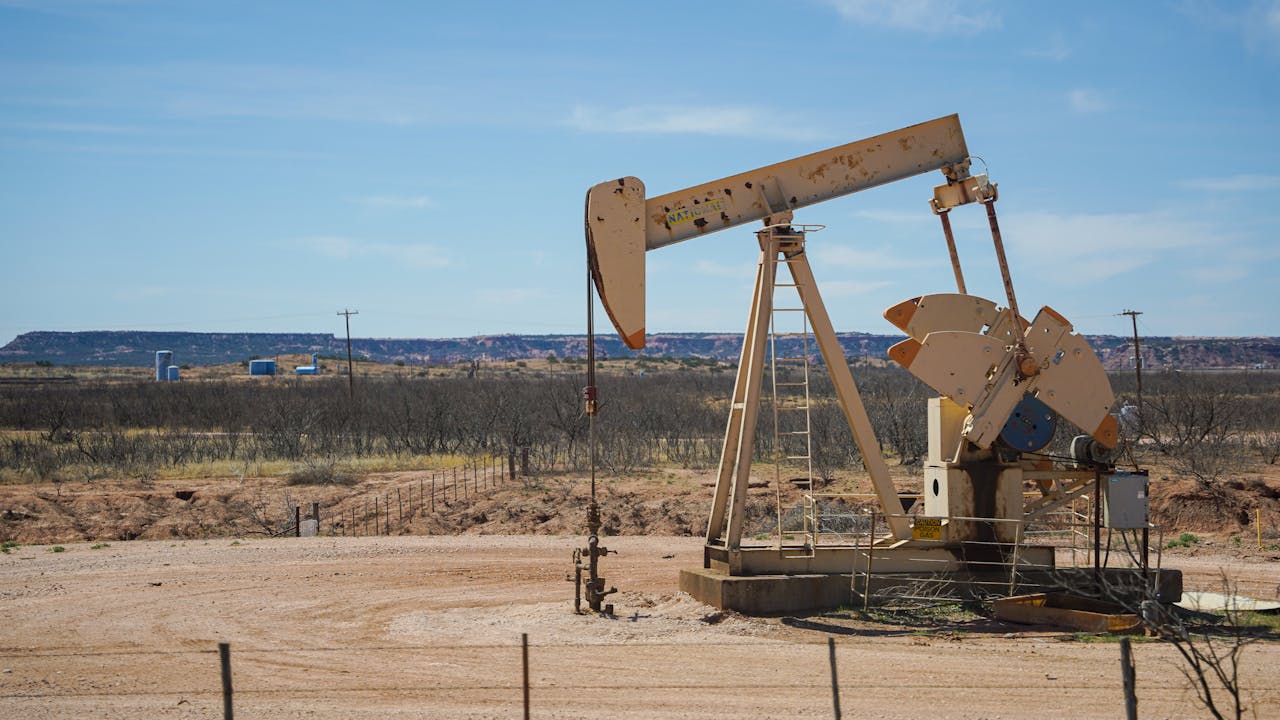
Oil demand growth is expected to remain strong for the year, while supply growth will likely remain modest, even as geopolitical risks drive volatility in energy markets.

New York manufacturing activity rebounded sharply in April with strong gains in orders, shipments, and employment, while rising input costs, weakening optimism, and softer capital spending signaled cautious outlook.

Consumers expect higher near-term inflation driven by surging energy prices, while long-term expectations stay stable, and this could leave the Federal Reserve cautious on rates.

Brent spikes as Iran-Israel attacks hit energy assets, damaging LNG infrastructure, lifting prices and escalating global market risks
The Trump administration’s peace push and Pakistan mediation lift markets despite ongoing U.S.-Iran conflict and persistent uncertainty.

U.S. stock futures rose on ceasefire hopes after Donald Trump signaled a possible withdrawal, though Iran tensions, threats to U.S. firms, and strong economic data tempered optimism.
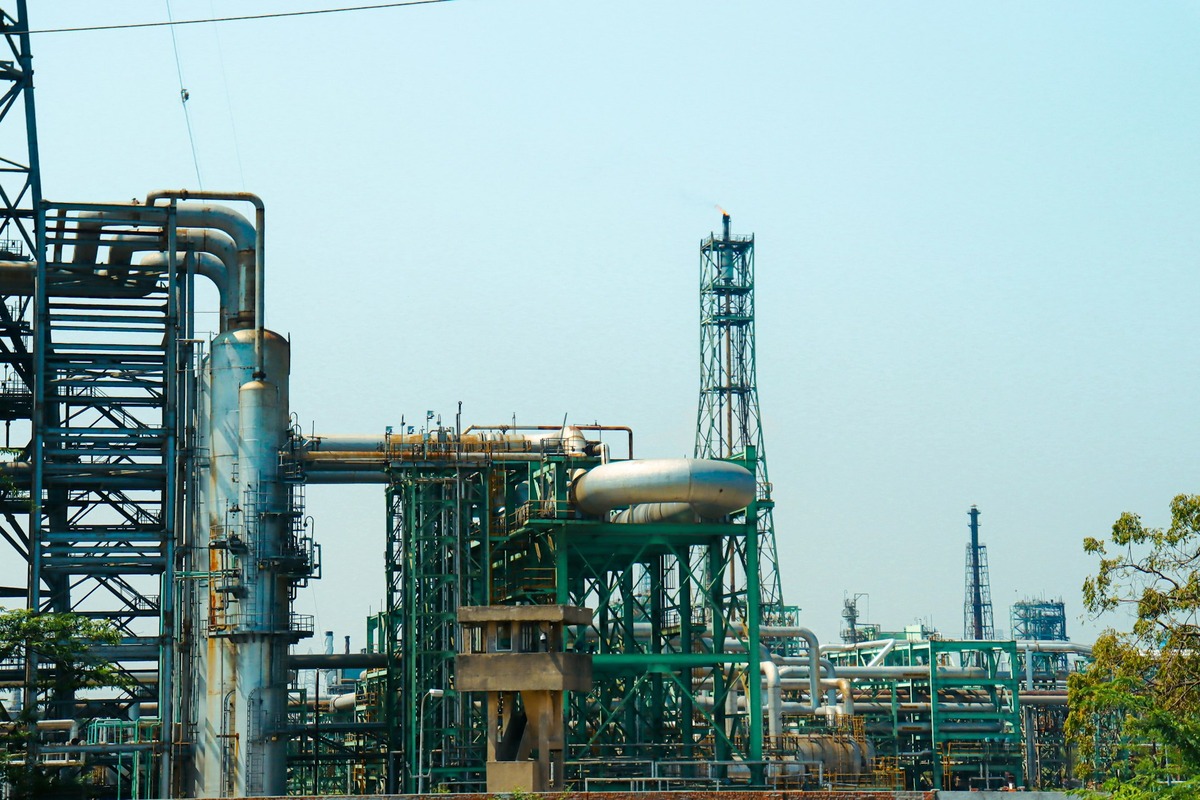
Escalating strikes across Iran, Israel aGulf states are sustaining oil’s risk premium and driving volatility across global energy markets.

Hiring beat forecasts with sector divergence, retail demand rebounded across categories, and factory output grew despite weak exports, rising costs and delays, with uncertainty likely to pressure upcoming services activity.
Middle East conflict drives oil above $100 for first time since 2022, intensifying concerns over inflation and growth.
U.S. producer inflation rose less than expected in March despite higher energy prices, while markets rallied; however, persistent inflation and geopolitical tensions keep uncertainty over future Federal Reserve policy decisions elevated.

The labor market shows resilience with jobless claims falling to 202,000, though March layoffs rose 25% to 60,620, driven by AI-related cuts in tech, transportation, and healthcare sectors.

Corn and wheat acreage is projected to decline in 2026 while soybean and cotton plantings increase, as U.S. grain stockpiles as of early March rise year over year despite concerns over tighter future supply.