All Articles
Browse our complete collection of financial news and analysis
Browse our complete collection of financial news and analysis
Browse our complete collection of financial news and analysis

The labor market shows resilience with jobless claims falling to 202,000, though March layoffs rose 25% to 60,620, driven by AI-related cuts in tech, transportation, and healthcare sectors.

Equity futures tumbled as escalating Middle East tensions and unclear policy signals drove investors toward safety, boosting oil prices and Treasury yields while attention shifts to upcoming labor market data.
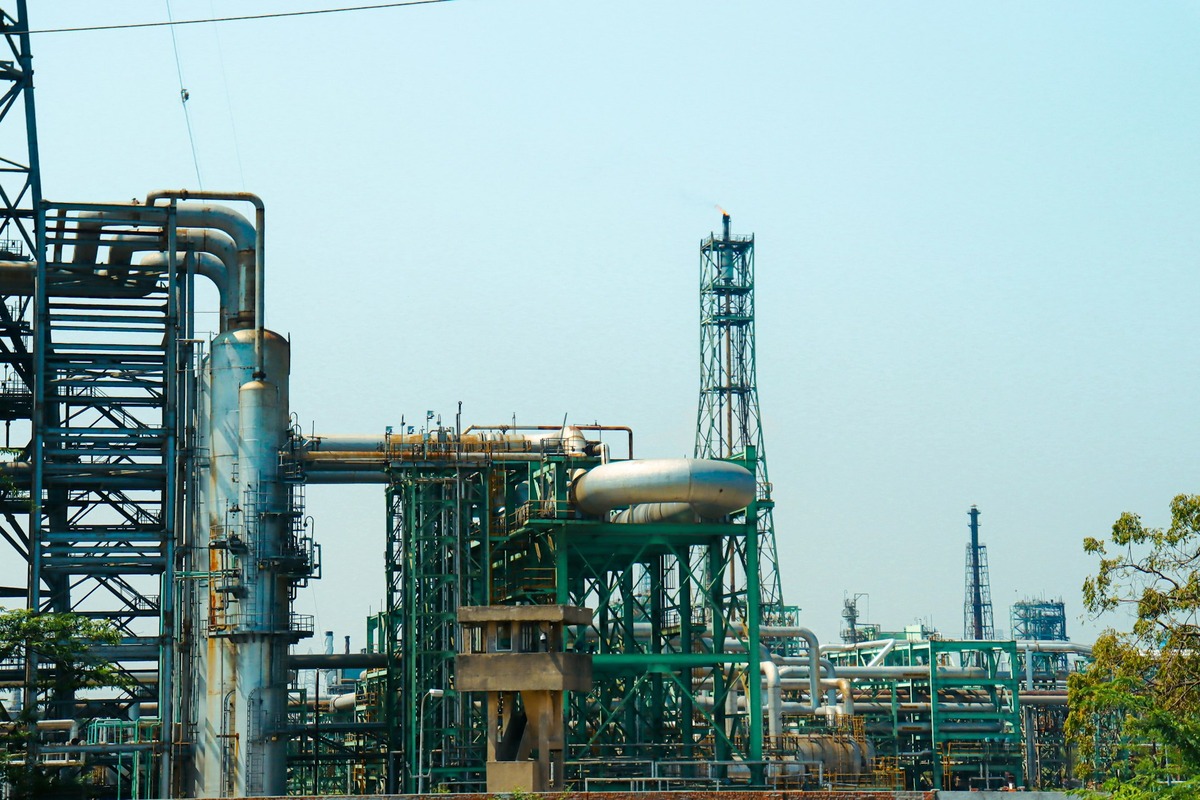
Escalating strikes across Iran, Israel aGulf states are sustaining oil’s risk premium and driving volatility across global energy markets.

German business sentiment fell as firms cited war-driven oil shocks, delaying recovery but the euro stayed resilient.

Gold enters a bear market as rising yields and a stronger dollar outweigh geopolitics, with macro forces driving risks and future direction.

The Reserve Bank of Australia delivered a narrowly split 25-bps hike to 4.10%, signaling a renewed tightening bias as persistent inflation and war-driven energy shocks complicate the policy outlook.

The dollar remains firm as safe-haven demand grew amid the Strait of Hormuz blockade and expectations the Federal Reserve will keep rates unchanged.

Oil prices rebound as Iran escalates Hormuz attacks, undermining record IEA reserve release and raising doubts about the market-calming impact.
Gold pauses after huge 2025 rally as stronger dollar, rising real yields and Fed pause expectations curb safe-haven demand despite Iran war.

U.S. February inflation expectations eased slightly, but oil price surge clouds outlook ahead of Fed meeting, keeping markets cautious.
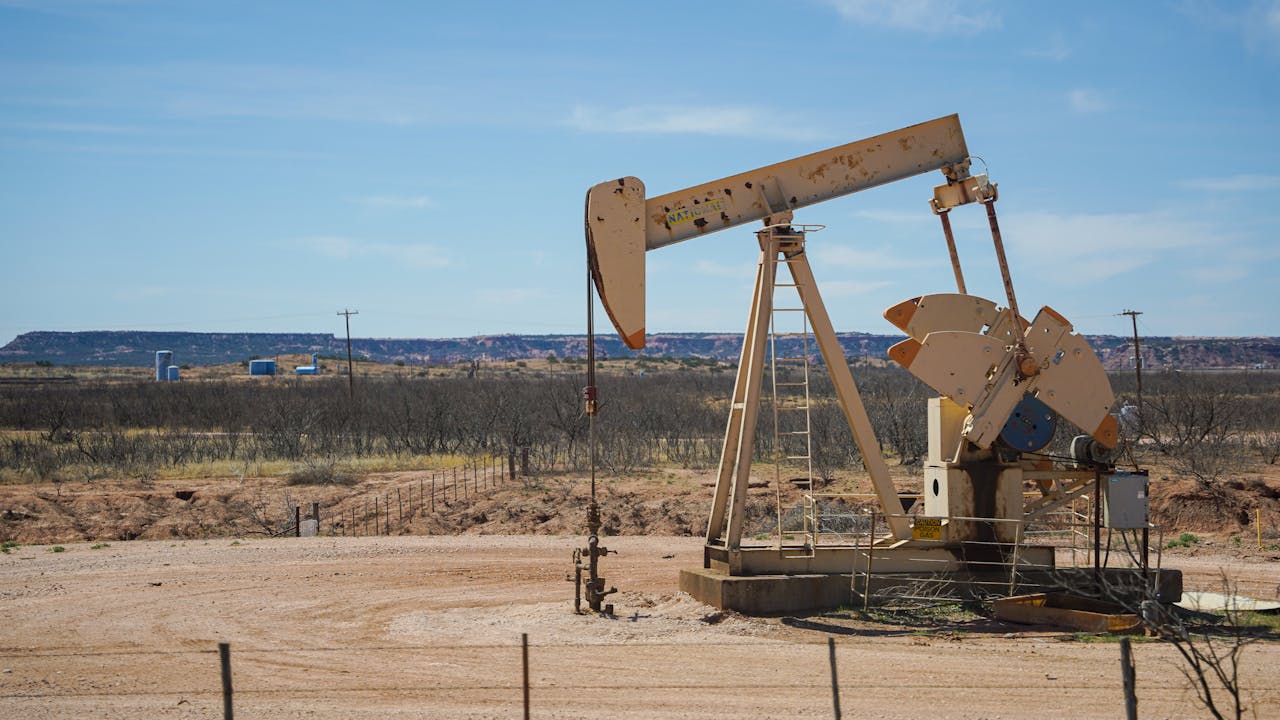
Middle East conflict drives oil above $100 for first time since 2022, intensifying concerns over inflation and growth.
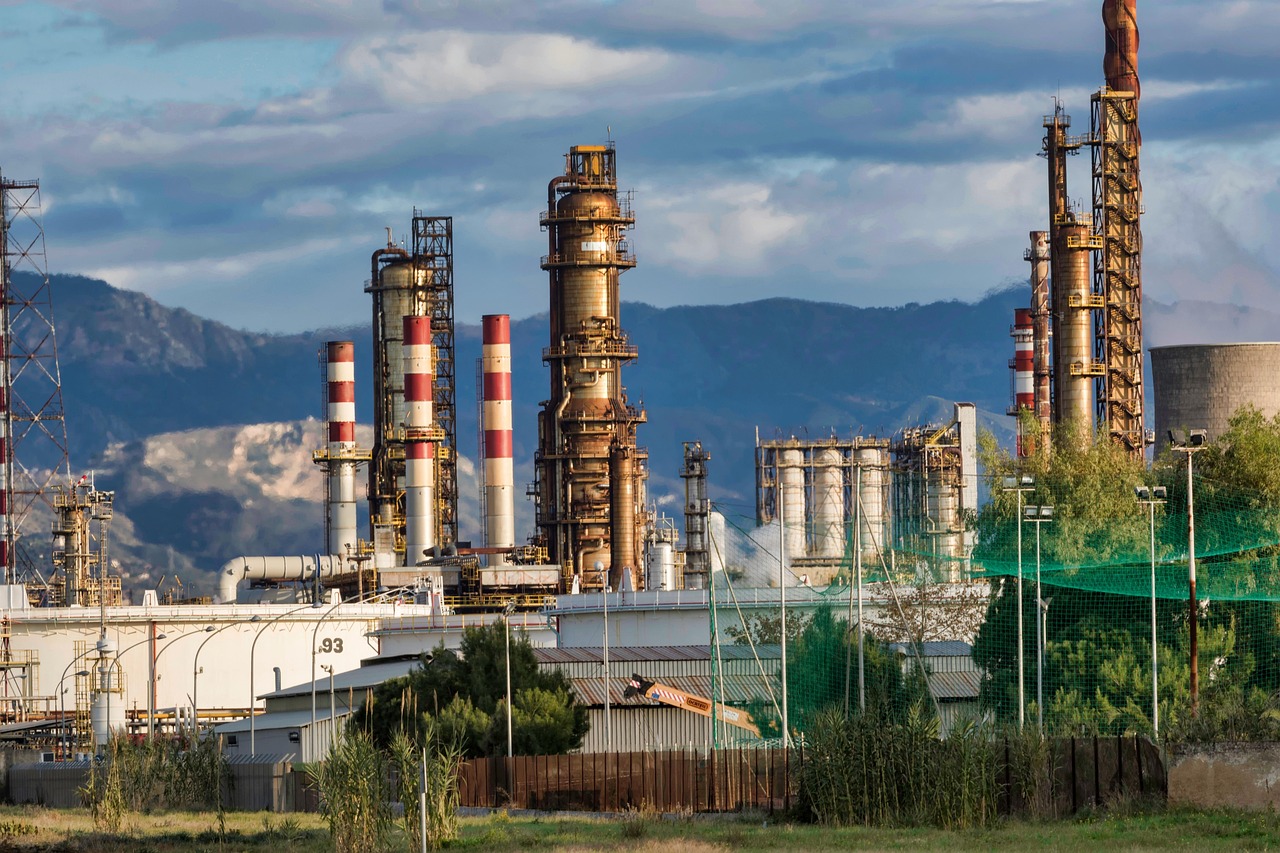
Oil prices surge on Middle East conflict fears as Gulf supply disruptions and Hormuz shipping risks raise the possibility of major energy shock.