All Articles
Browse our complete collection of financial news and analysis
Browse our complete collection of financial news and analysis
Browse our complete collection of financial news and analysis

U.S. producer inflation rose less than expected in March despite higher energy prices, while markets rallied; however, persistent inflation and geopolitical tensions keep uncertainty over future Federal Reserve policy decisions elevated.

June consumer sentiment improves on easing Iran fears but elevated inflation, a hawkish Fed, and tech pressure kept markets in the red.

Inflation expectations spiked in April, marking the biggest one-month jump in a year and consumer morale took a hit, confounding Fed's policy outlook.

BTC pierces the $60,000 handle dropping to a low just shy of $58,000 on Thursday. The structural headwinds — six weeks of ETF outflows, a hawkish Fed, and $1.6 billion in leveraged longs below $58,000 — haven't gone anywhere. Is more downside ahead?
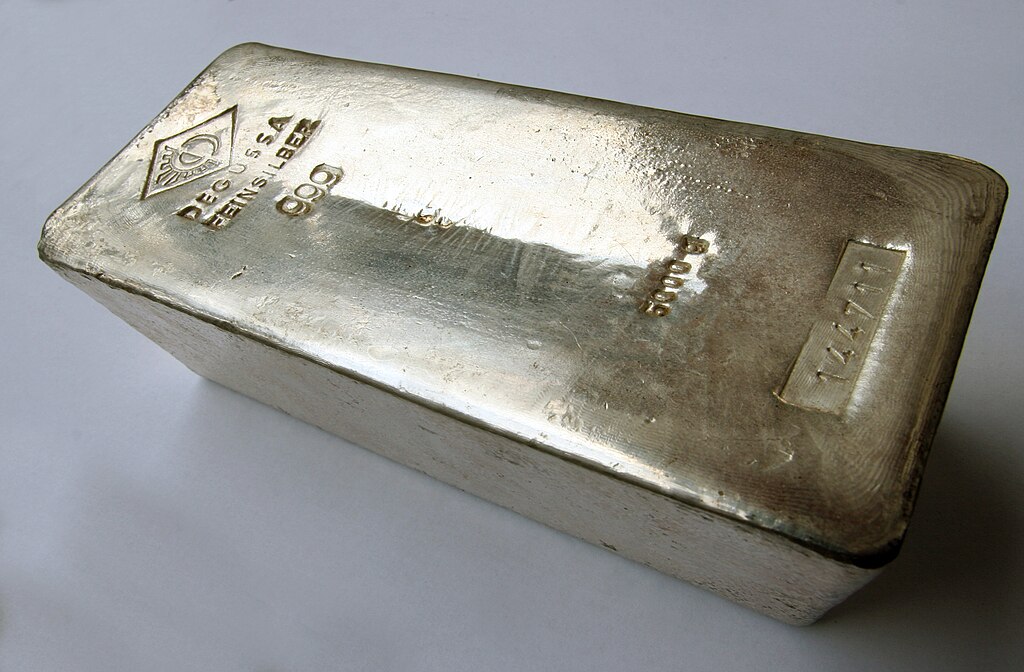
A hawkish Fed, and fading geopolitical risk premium have pushed silver into bear market territory, with Tuesday’s Nasdaq-driven margin calls aggravating the sell-off
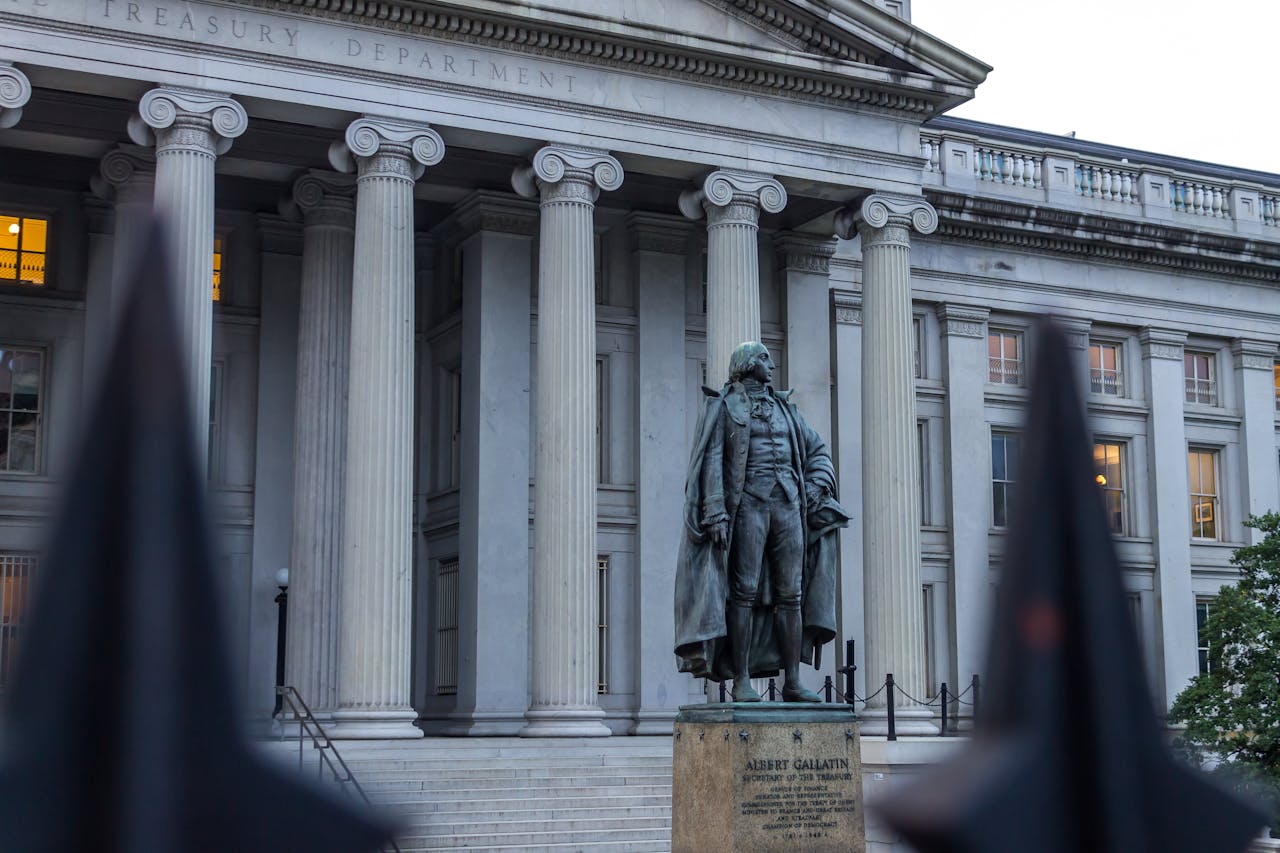
Treasury yields stayed elevated even as peace deal optimism eased oil fears, with sticky core inflation, resilient growth and rising term premium keeping the bond market's hawkish bias firmly intact.

U.S. February inflation expectations eased slightly, but oil price surge clouds outlook ahead of Fed meeting, keeping markets cautious.

Investors view the May report as one that could shape expectations for the Federal Reserve's policy path in the near term
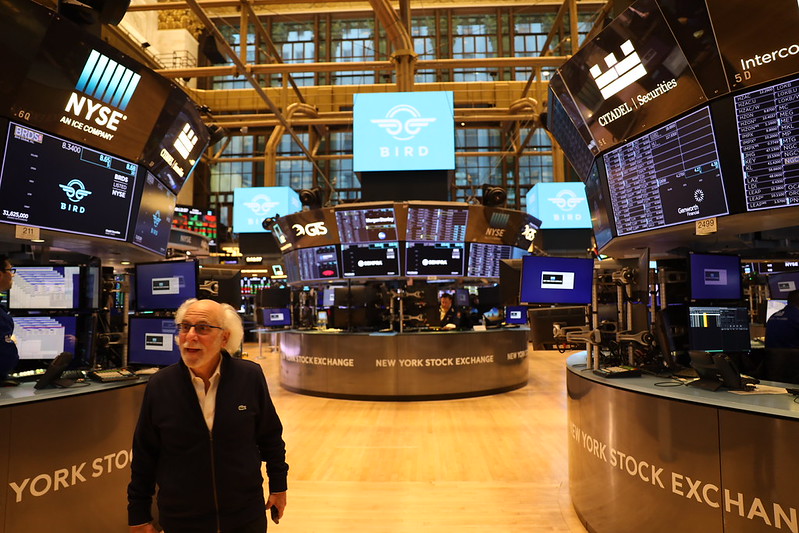
Equity contracts edge higher after Tuesday's pullback; oil extends rally on Hormuz risk and UAE's OPEC+ exit, gold slips and dollar softens.

Gold is entering the week battered by losses, stemming primarily from a hawkish Fed. Yet, China's central bank is buying, providing a floor as markets brace for Thursday's critical PCE print
The Fed's hawkish June meeting sent short-end yields surging, with markets now pricing a near-certain September hike and a gradual tightening cycle extending into early 2027 around 4%.
New York manufacturing expanded at its weakest pace in two months while input costs stayed stubbornly elevated, leaving policymakers little room to maneuver as they gather for a pivotal rate decision.