All Articles
Browse our complete collection of financial news and analysis
Browse our complete collection of financial news and analysis
Browse our complete collection of financial news and analysis
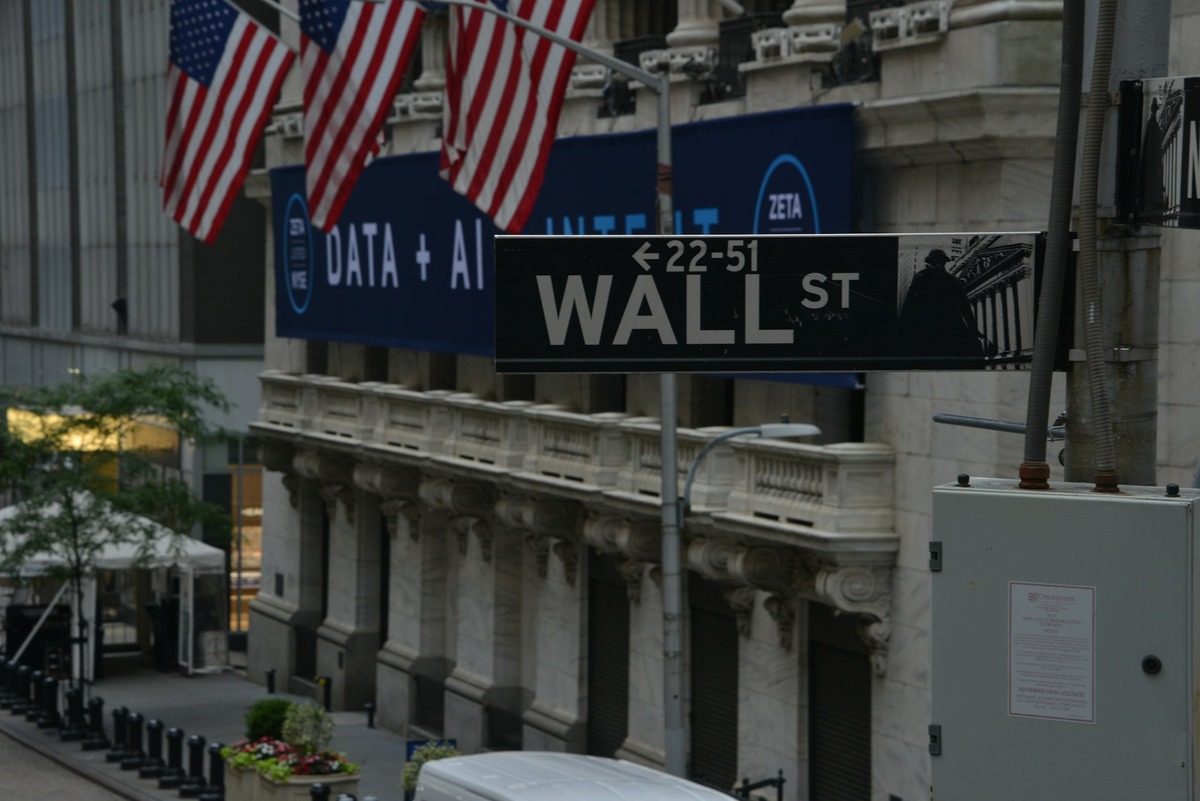
Despite blockbuster Nvidia earnings, futures traders showed restraint, signaling unease as macro risks and policy uncertainty capped risk appetite.
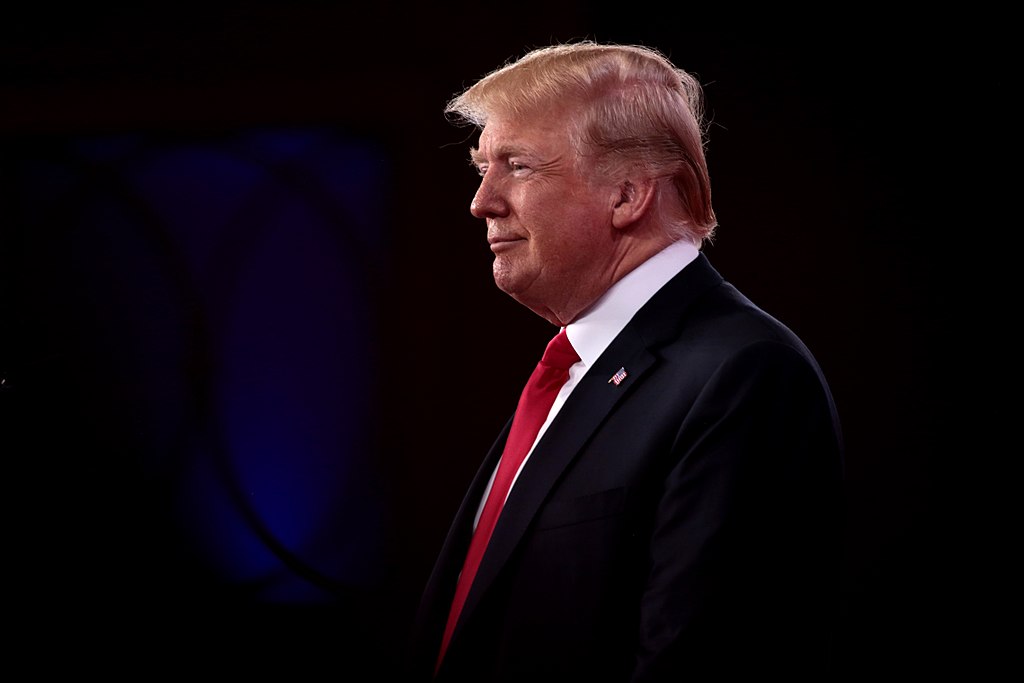
Trump highlighted economic progress, tariffs, healthcare reform, homeownership measures, retirement benefits expansion, and strong investment and job growth.

US consumer confidence rose modestly in February, reflecting improved expectations, though overall sentiment remains below recent highs.

Trump's tariff escalation triggered a global risk-off shift, sending Bitcoin futures lower as investors favored traditional safe havens over crypto.

Germany’s business sentiment hit six-month high, signaling cyclical upswing, though tariffs, stronger euro and weather pose risks.

The Supreme Court’s tariff ruling reshapes the trade landscape, easing inflation pressures and potentially influencing the Fed’s policy path, while also raising fiscal concerns.
Traders factored in a higher-for-longer” interest rate environment even as a trio of economic data relayed a mixed message.

Durable goods orders declined due to weaker transportation demand, but underlying business investment stayed firm, while housing activity improved, and industrial production strengthened.

U.S. consumer inflation eased in January, with softer headline pressures, while underlying core price gains remained steady, keeping the Fed cautious ahead.

January payroll gains beat estimates, while unemployment dipped, and benchmark revisions cut 2025 job growth sharply.
AI-driven capex excess among hyperscalers, combined with macro and geopolitical risks, threatens an AI-trade unwind and steepening of S&P 500 losses.

ECB Holds Rates Again, Flags Trade and Inflation Risks—EUR/USD Bias Stays Soft, Favoring Short Trades