All Articles
Browse our complete collection of financial news and analysis
Browse our complete collection of financial news and analysis
Browse our complete collection of financial news and analysis
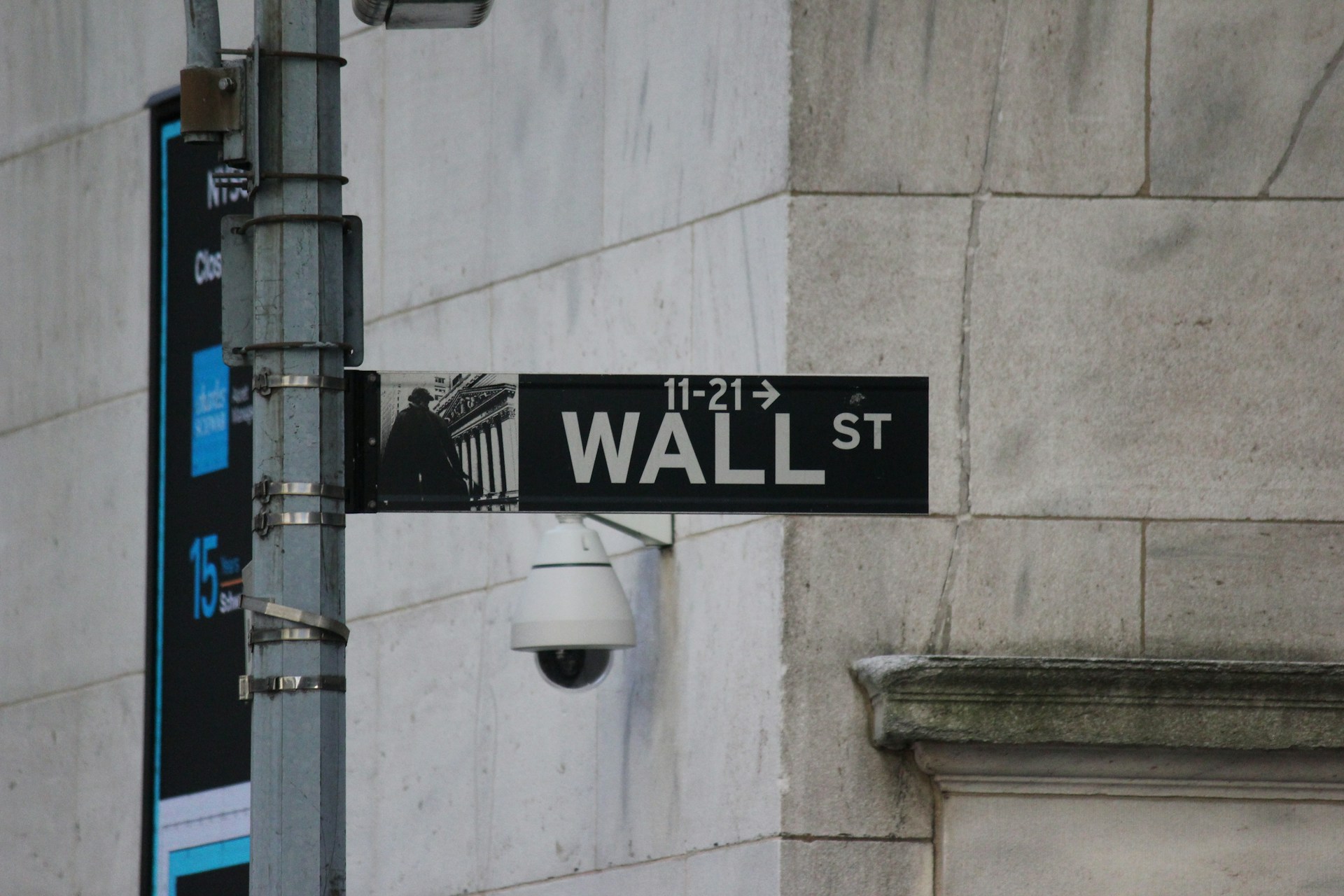
Equity futures attempted to claw their way back on Wednesday morning after one of the ugliest two-session stretches of the year for technology, as investors await key Micron results and U.S. data
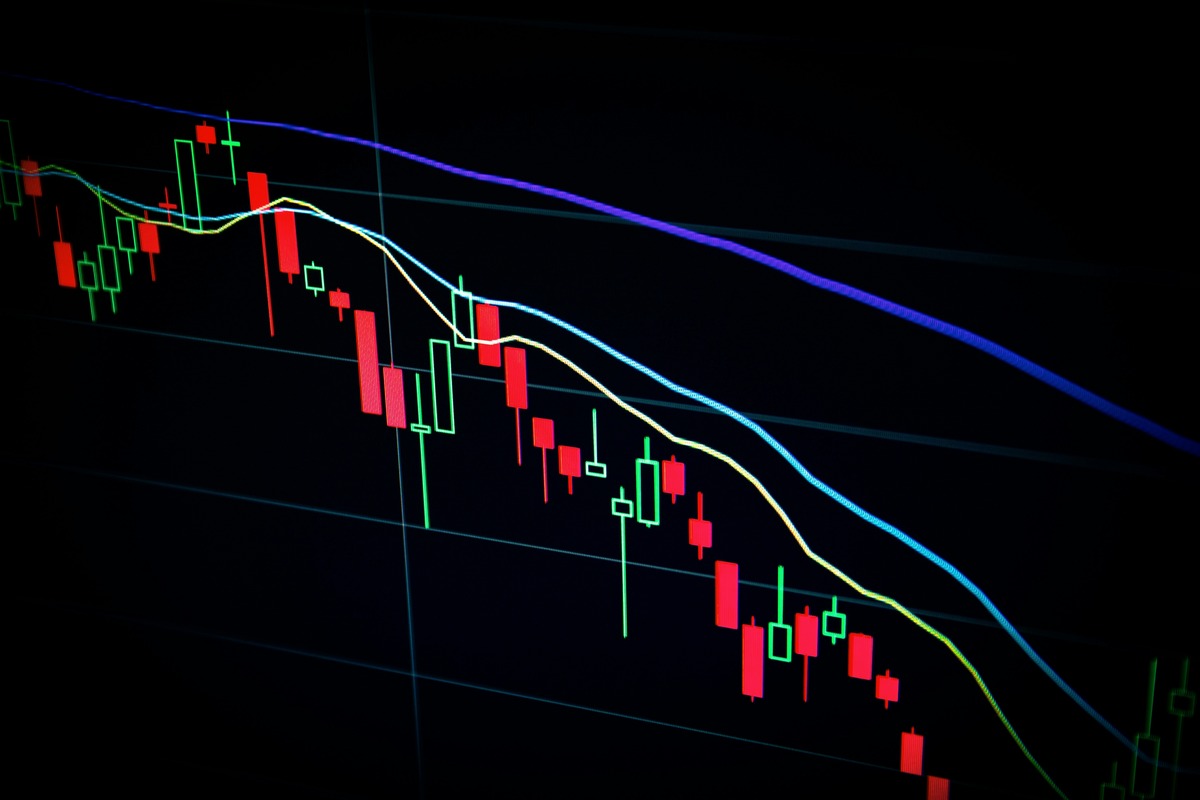
A hawkish Fed, fragile Middle East ceasefire, index rebalancing, and mounting doubts over debt-funded AI spending have converged to push Nasdaq-100 futures below a critical technical threshold ahead of three market-moving catalysts.
The Fed's hawkish June meeting sent short-end yields surging, with markets now pricing a near-certain September hike and a gradual tightening cycle extending into early 2027 around 4%.

New York manufacturing expanded at its weakest pace in two months while input costs stayed stubbornly elevated, leaving policymakers little room to maneuver as they gather for a pivotal rate decision.

The Dow offers a resilient hedge against Nasdaq volatility by favoring value sectors over tech. This stability faces a test as traders brace for critical upcoming inflation data.

The May Non-Farm Payrolls report arrives June 5 amid macroeconomic instability. With sticky inflation and a volatile labor market, this data is critical for the future of the Dow Jones and Gold prices.

Today's ADP, ISM, and oil data releases are critical. They could spark significant volatility for the Dow (YM) ahead of Friday's NFP.

Gold is pressured by US-Iran tensions falling 2% to below $4,500. Hardliners' control of Tehran risks escalating conflict and closing the Strait of Hormuz. Is $4,000 a possibility?
Rising bond yields, a stronger dollar, and falling equity futures signal mounting market stress as entrenched inflation forces a rethink of Fed policy — with rate hikes back on the table.

Silver’s recent rebound appears to reflect a shift in market expectations as signs emerge that Washington may be seeking an off-ramp from the 67-day conflict with Iran.
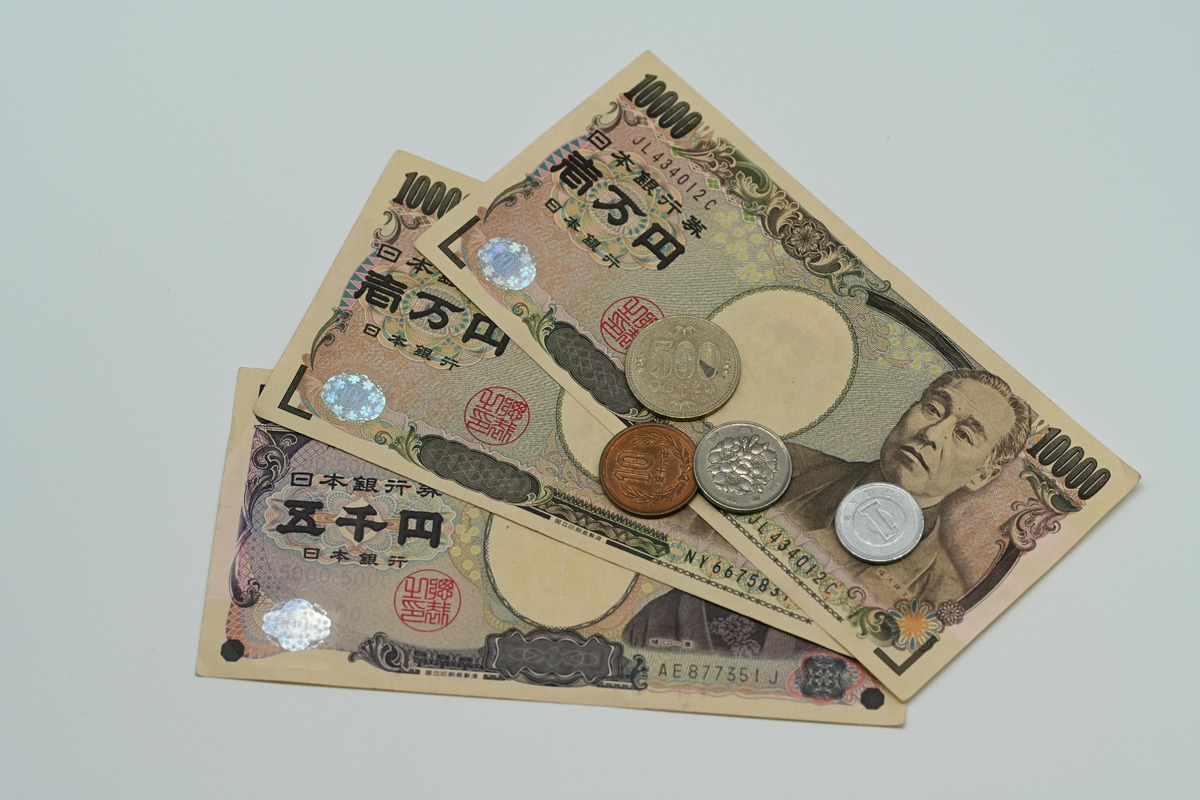
Japan appears increasingly willing to defend the yen against excessive weakness, but lasting currency gains typically require support from narrower rate differentials, Fed easing, or coordinated global action.
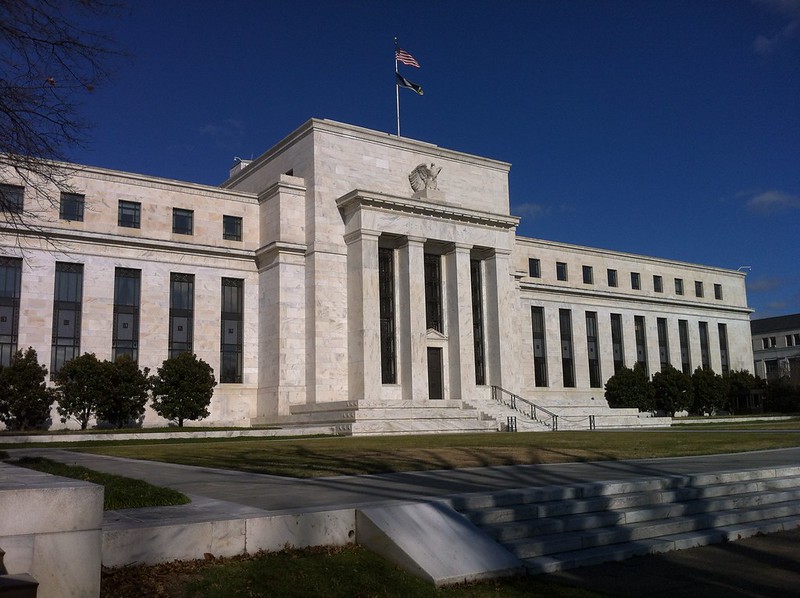
The Fed held rates steady at 3.50%-3.75% for a third straight meeting, flagging Middle East-driven inflation risks, as Powell prepares for his likely final press conference before his May 15 exit.