All Articles
Browse our complete collection of financial news and analysis

New York Manufacturing Activity Nearly Holds Up Despite Iran War, Input Prices in Check, Expectations Robust — Are Firms Ignoring the Oil Shock?
New York manufacturing stalled in March, even as manufacturers remained cautiously optimistic about investment and future business conditions ahead of the FOMC meeting.

Inflation Stays Sticky As PCE Hits Expectations; Fed Rate Pause All But Locked In?
The Federal Reserve’s favorite inflation gauge came in line with expectation, although continuing to remain above the central bank’s target.
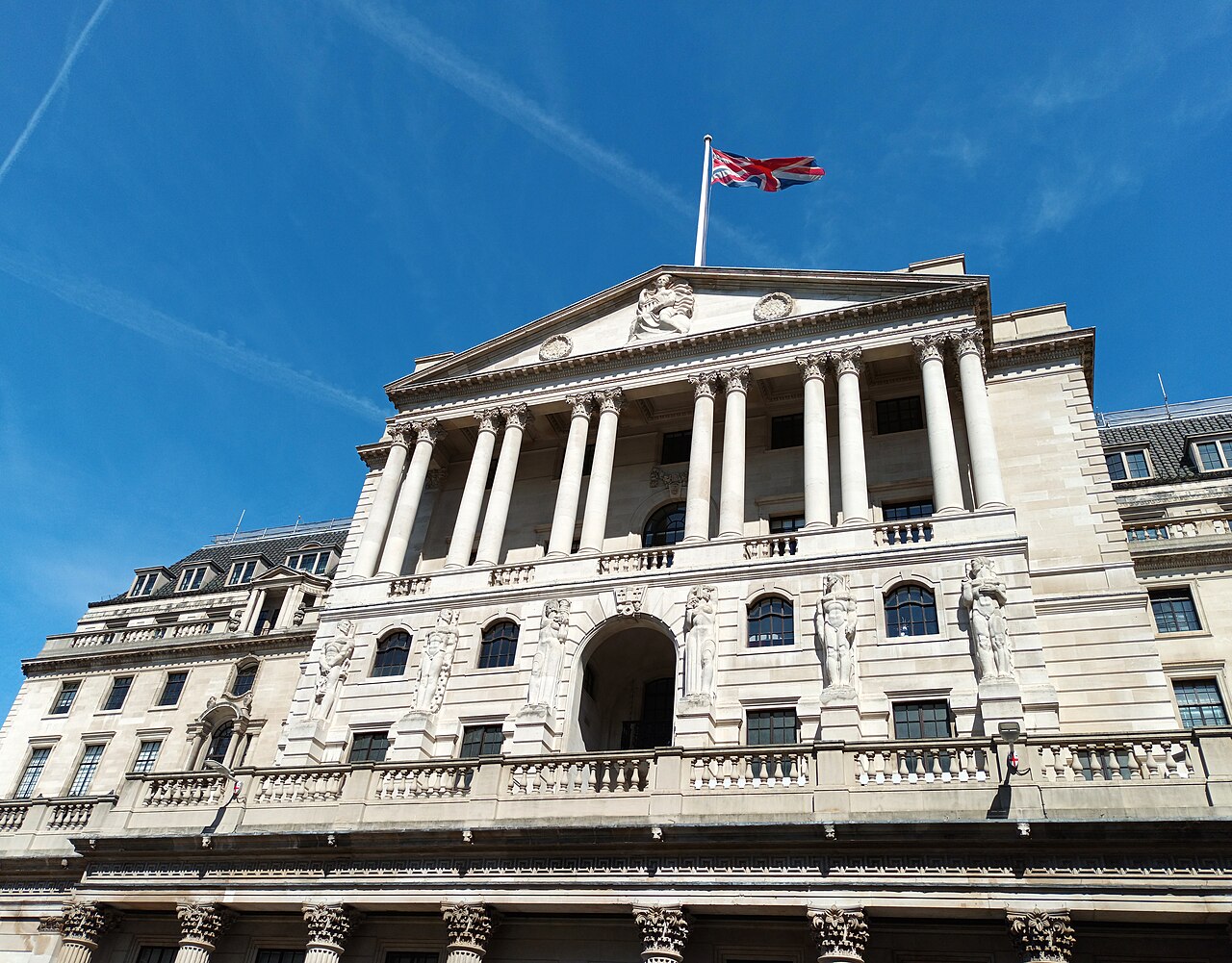
GBP/USD in the Crossfire — Fed Today, Bank of England Tomorrow, Traders in Between
Cable remains resilient at 1.3400 ahead of critical Fed and BoE decisions. With markets watching for potential shifts in policy signals and vote splits, we analyze the bull, bear, and base cases.

US Industrial Output Rises at Fastest Pace in a Year, Leaving the Fed in a Bind
April industrial production beat expectations, led by transit equipment gains, while strong regional PMI data and inflation concerns push the Fed toward a potential tightening pivot.
Update: Hot Inflation, Slowing Growth, and a Resilient Labor Market Leave the Fed Stuck in Place
April PCE inflation came in hotter than the Fed would like, accelerating to a 3-year high, first-quarter growth was revised lower, and the labor market held firm, cementing the case for a pause at the June meeting.

Gold Price Update: XAU/USD Battles Key $4,000 Handle as Bears Maintain Control
Gold (XAU/USD) struggles to hold the $4,000 level amid a resurgent US Dollar and aggressive Federal Reserve rate hike expectations, putting the precious metal on track for a significant quarterly decline. Is there a bounce on the way?

The USD/JPY Pair Stays Stubbornly Above 160: Why Bank of Japan's June Hike Isn't Enough for Futures Traders
Despite the BOJ hiking to a 31-year high of 1%, the yen holds above 160 as negative real rates, wide Fed differentials, and Uchida's vague guidance keep carry trades firmly intact.

Crude Steadies Near $73: Is the Floor Holding, and What Does It Mean for Inflation and Interest Rates?
With inventory deficits deep, supply recovery slow, and second-round inflation entrenched, the Fed's hawkish stance has room to run.
Fed Holds Unanimously but Dot Plot Splits Down the Middle — Half Now See Rate Hikes Ahead
The Fed unanimously held rates while sharply raising its inflation projections, with energy-led supply shocks driving PCE forecasts higher

Jobless Claims Tick Up, Slightly Above Consensus, as Traders Look Ahead to Next Week’s Fed Decision
obless claims remained stable overall, signaling a steady labor market and giving the Federal Reserve room to hold interest rates unchanged.
US Producer Prices Rise Less Than Expected in March, Buoying Market — Yet Persistent Inflation May Keep Fed in a Bind
U.S. producer inflation rose less than expected in March despite higher energy prices, while markets rallied; however, persistent inflation and geopolitical tensions keep uncertainty over future Federal Reserve policy decisions elevated.

US Consumer Prices Stayed Benign in February — Why the Fed Still Won’t Cut Rates Next Week
February CPI met expectations and hit a five-year core low, but energy shocks and policy distortions may keep the Federal Reserve cautious on rate cuts.