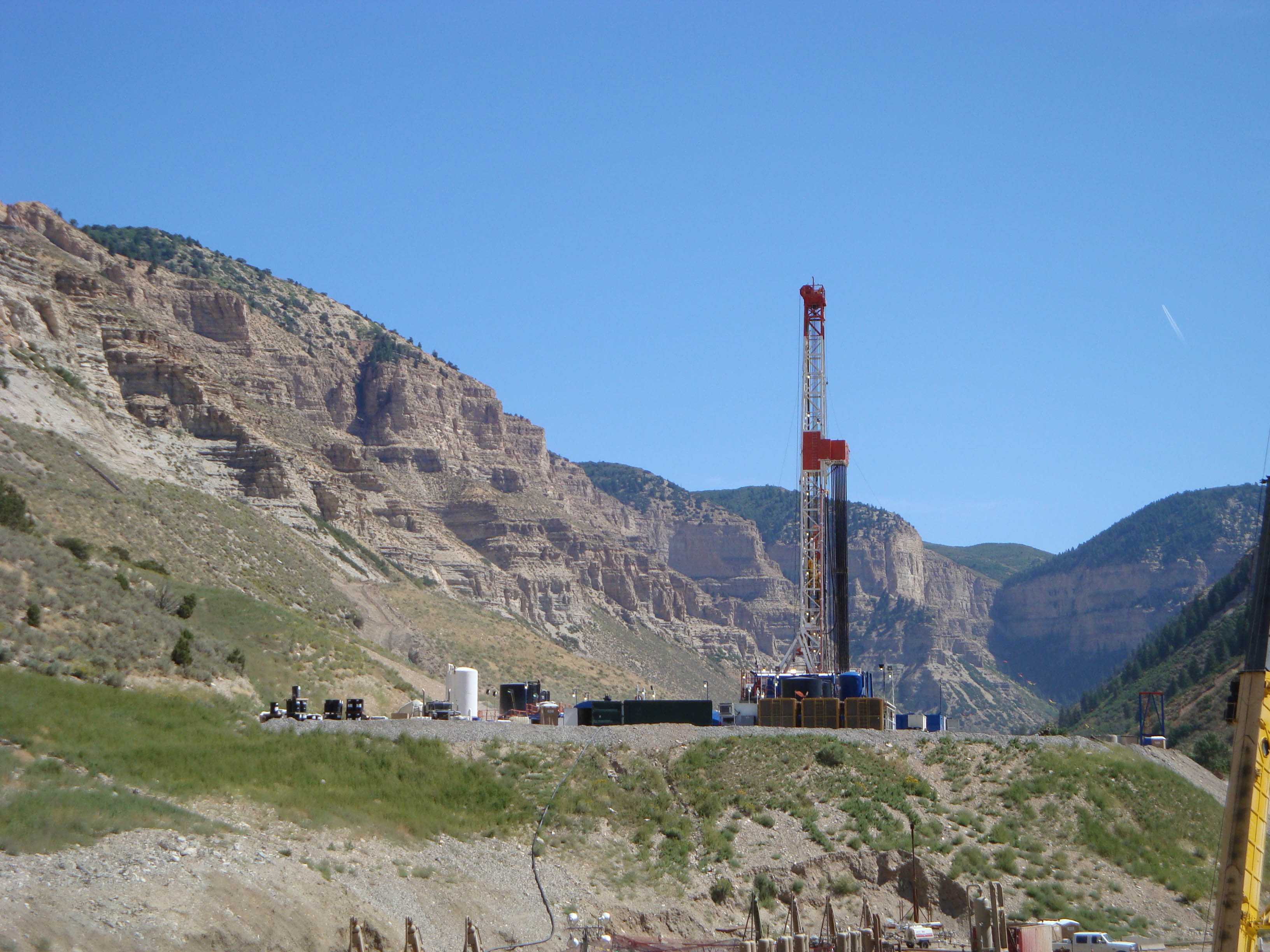
U.S. natural gas fell 3% despite Middle East tensions, as domestic storage surpluses and reduced LNG export capacity severed the usual link between geopolitical risk and Henry Hub prices.
While most commodities in the energy complex recorded gains on Monday as traders reacted to the headlines emanating from the Middle East, one of their ilk diverged from the group. The U.S. natural gas futures (NG) futures contract trading on the NYMEX was down about 3% for much of Monday’s session.
Why did the NG contract move against the grain? Is the move sustainable?
When Israel and Iran fired at each other in the first major violation of the ceasefire that has been in place since April, natural futures deemed it fit to track the classical demand-supply equation, rather than sway to the whims and fancies of the geopolitical environment.
Unlike crude oil, which is priced as a globally traded seaborne commodity acutely sensitive to shipping route disruptions and Middle East supply shocks, U.S. natural gas trades primarily as a domestic pipeline commodity anchored to Henry Hub in Louisiana. The Strait of Hormuz closing does not physically remove even a single British thermal unit (BTU) from American storage. And right now, American storage is the problem.
Natural Gas Stock Builds
The Natural Gas Storage Report for the week that ended May 29 showed a 95 billion cubic feet (Bcf) week-over-week increase in working gas in storage to 2,578 Bcf. Although down 3 Bcf from last year, stocks were 138 Bcf above the five-year average.
Source: EIA
Stocks represent a comfortable surplus that has effectively capped any geopolitical upside in Henry Hub prices regardless of what is unfolding in the Middle East.
On the contrary, central and eastern Europe’s (CEE) gas storage remained too slow to fully offset the deficit relative to the year-ago period, Argus stated in a late-May report.
LNG Transmission Breakdown
Compounding the storage overhang is a temporary but significant breakdown in the one mechanism that should be transmitting the Middle East war premium into U.S. gas prices, i.e. LNG exports. Average gas flows to the nine major U.S. LNG export terminals fell to 16.4 Bcf per day so far in June, down from 17.1 Bcf/d in May. This has largely been due to seasonal maintenance at the Golden Pass and Freeport LNG in Texas.
With export capacity physically offline, the European and Asian demand for LNG could not pull U.S. gas prices higher. This has contributed to a well-supplied domestic market even as geopolitical risks premiums remain elevated overseas. Once maintenance concludes and LNG facilities return to full utilization, that transmission mechanism could reassert itself, tightening the domestic market and allowing global energy-market stresses to exert a greater influence on U.S. natural gas prices.
This in turn has led to a domestic glut even as geopolitical risk premiums remain sharply elevated overseas. This dislocation made starkly visible in the price spread between the two benchmarks: The Dutch Title Transfer Facility (TTF), Europe's benchmark gas price, traded at $14.12 per million BTU MMBtu) versus NG contract’s $3.23. In other words, the same molecule of natural gas is worth over four times more in Europe than it is at Henry Hub right now.
NG Vs. TTF Price Differential
Source: TradingView
Once maintenance concludes and LNG facilities return to normal utilization, export demand could increase materially, allowing more of the European and Asian gas premium to filter into Henry Hub pricing. Whether that translates into a sustained rally, however, will also depend on U.S. production trends, summer weather, and the pace of storage injections.
Read Next: Nasdaq Reels Back From 4% Chip-Led Wipeout: Why Apple Could Make or Break Near-term Recovery