All Articles
Browse our complete collection of financial news and analysis
Browse our complete collection of financial news and analysis
Browse our complete collection of financial news and analysis

The market now faces a higher-for-longer rate outlook, with further tightening remaining a possibility, as the ECB's rate hike signals rising concern over energy-driven inflation and second-round effects.
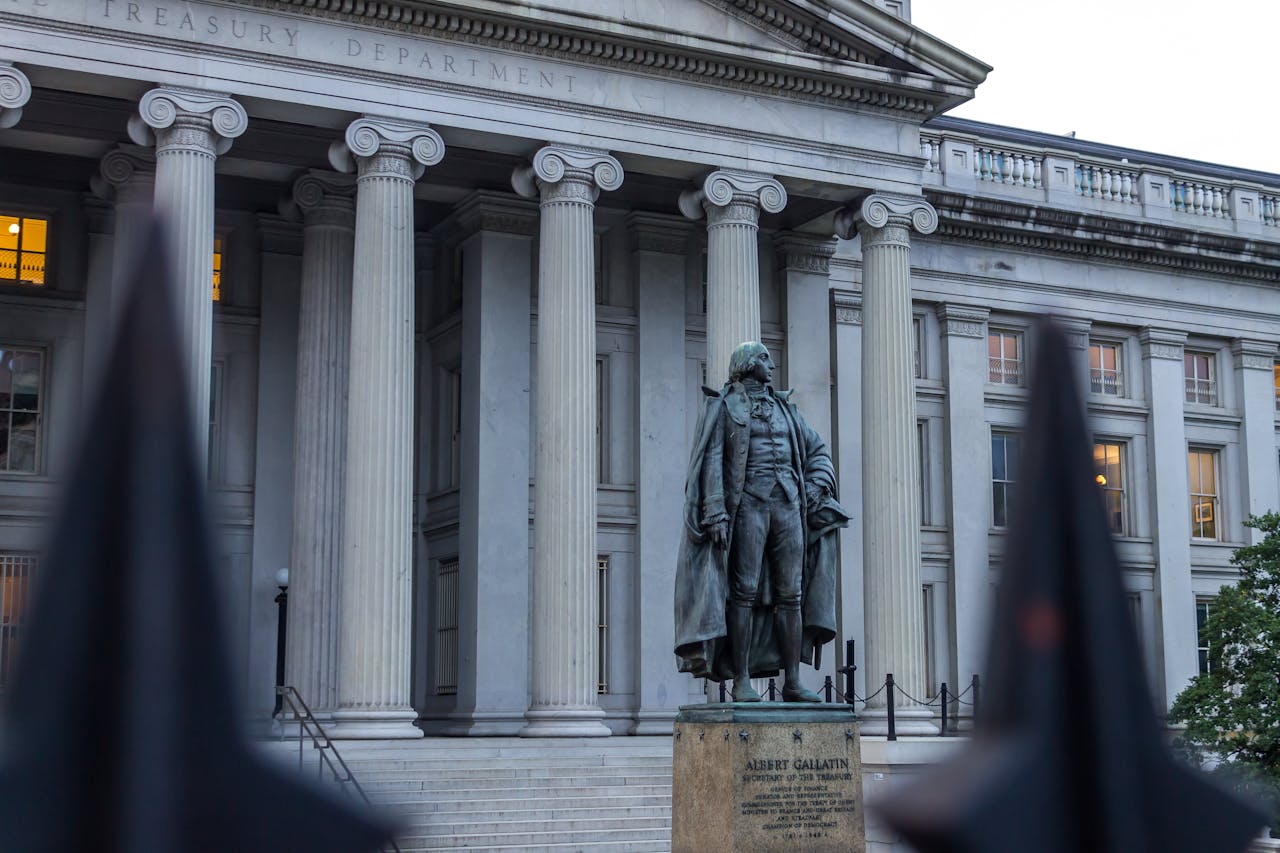
Treasury yields stayed elevated even as peace deal optimism eased oil fears, with sticky core inflation, resilient growth and rising term premium keeping the bond market's hawkish bias firmly intact.

With fuel costs quietly draining wallets and inflation expectations climbing, can the Fed tighten without tipping the economy over, or is the stagflation trap already sprung?

Surging gasoline prices, sticky shelter inflation, and a blowout jobs report have converged ahead of Wednesday's print, leaving stocks, bonds and the dollar at critical technical and fundamental inflection points.

Surging oil prices from the Gulf war stoked inflation and killed rate-cut hopes, while a hawkish Warsh Fed and central bank divergence now underpin the dollar's sharpest recovery in years.
The ECB is set for a June 11 "insurance" rate hike amid stagflation risks. We explore the impact on GDP growth and what this means for the EUR/USD outlook as markets brace for volatility
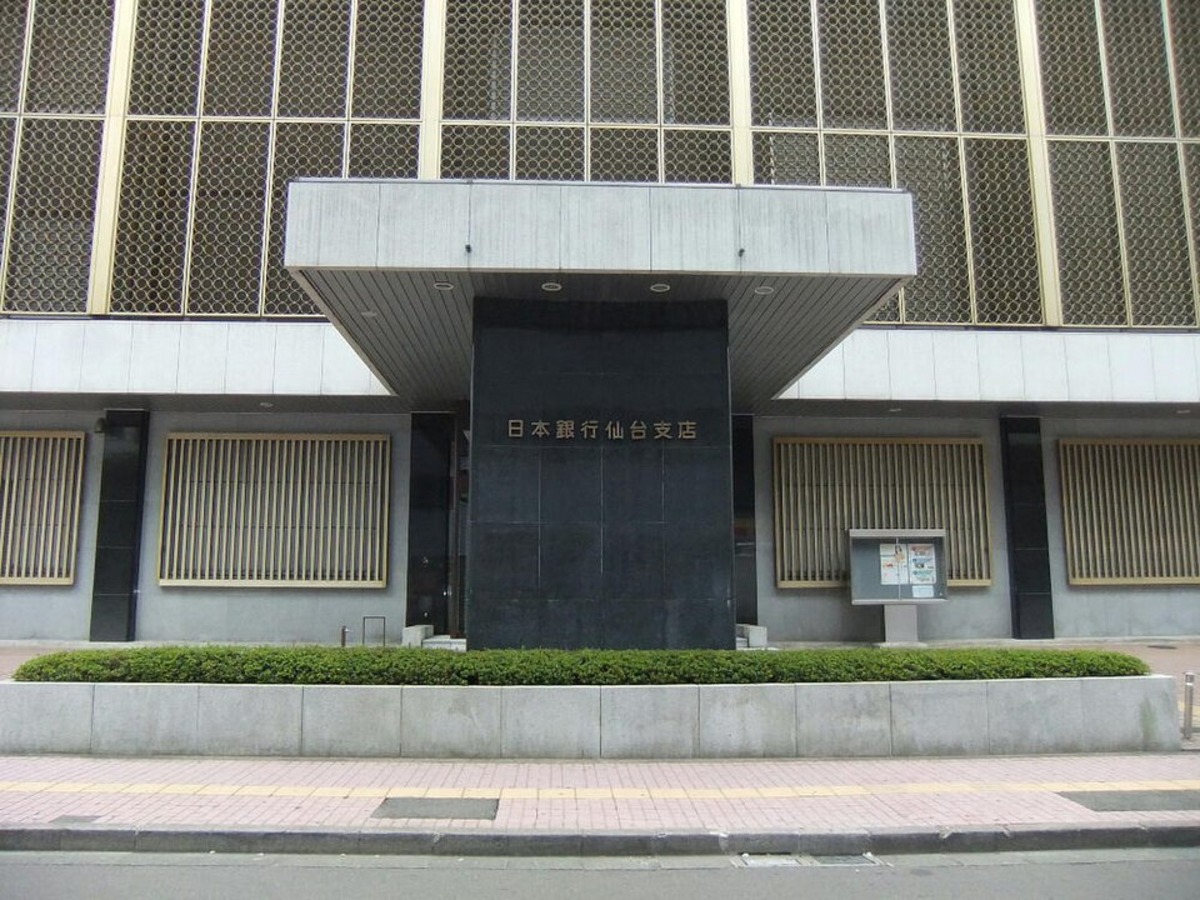
Economists warn supply-driven inflation from energy shocks complicates policy, with divided BoJ members, cautious guidance from Ueda, negative real rates persisting, and limited impact of near-term hikes on the yen.
Despite the BOJ hiking to a 31-year high of 1%, the yen holds above 160 as negative real rates, wide Fed differentials, and Uchida's vague guidance keep carry trades firmly intact.

The year-over-year CPI rate was at 3.8%, accelerating from the 3.3% rate in March, and a touch hotter than the 3.7% rate expected by economists.
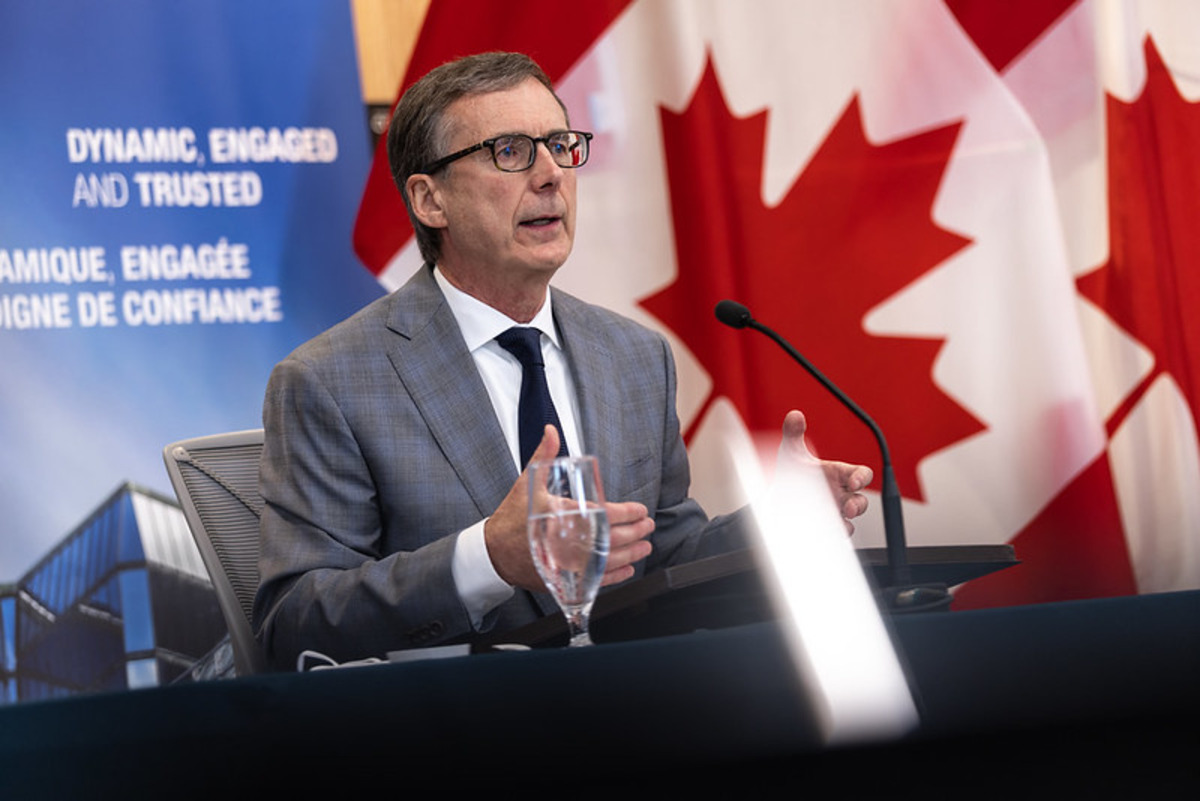
Bank of Canada kept rates unchanged as war-driven energy inflation accelerated, mirroring global policy caution and intensifying focus on the Federal Reserve’s upcoming rate decision.

Although the consensus is for a Bank of Japan pause, some voices on the Street do not rule out a preemptive strike to contain inflation expectations stemming from the U.S.-Iran conflict.
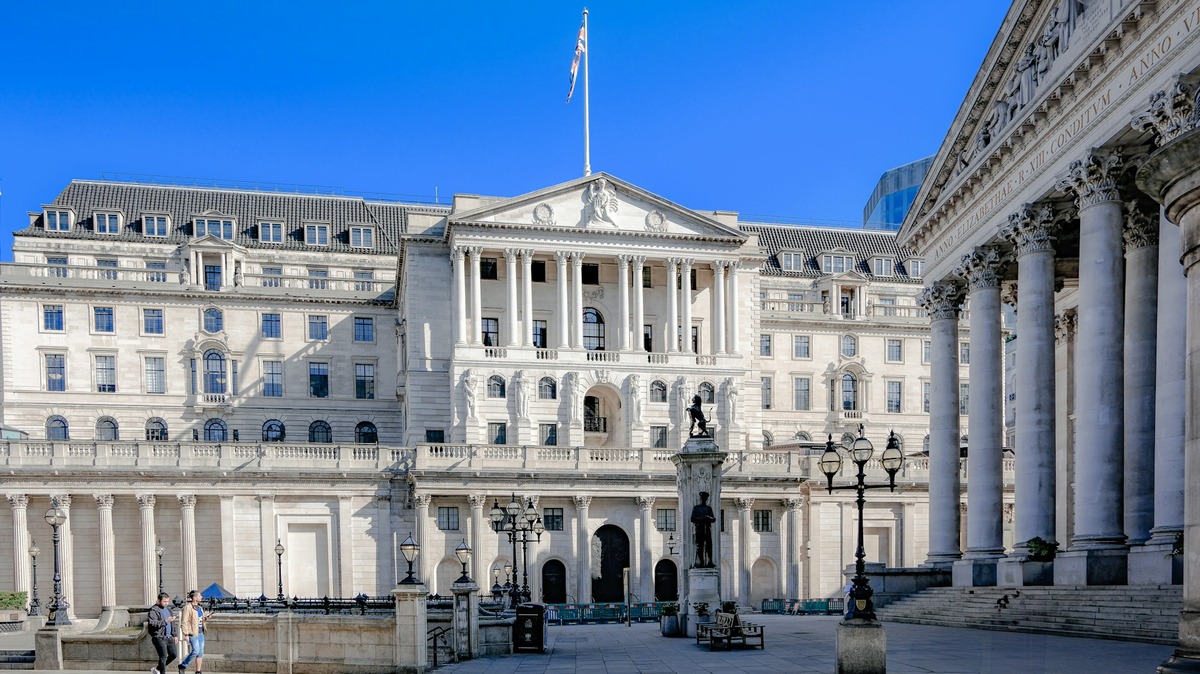
BoE held rates 3.75% on narrow 5-4 vote, signaling a dovish bias and a data-dependent stance