All Articles
Browse our complete collection of financial news and analysis
Browse our complete collection of financial news and analysis
Browse our complete collection of financial news and analysis

Eurozone manufacturing rebounds sharply while persistent pricing pressures may keep the ECB cautious on rate cuts steady outlook.

The month-over-month (MoM) CPI rate was the largest monthly jump since 2022, with energy alone contributing 0.7 percentage points.

Donald Trump’s Iran conflict drove oil above $110, fueling inflation fears, and pressuring the Nasdaq 100 futures into correction.

Weaker-than-expected growth alongside persistent inflation complicates the Federal Reserve’s policy outlook, reinforcing a cautious stance and keeping markets on edge.

U.S. February inflation expectations eased slightly, but oil price surge clouds outlook ahead of Fed meeting, keeping markets cautious.
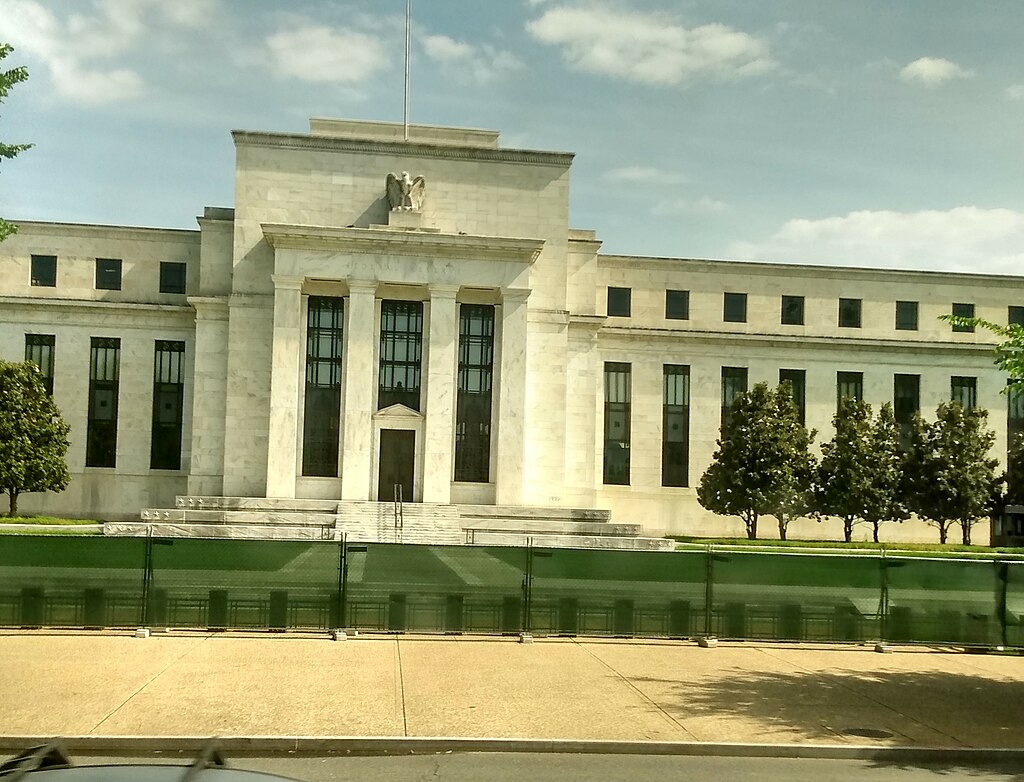
Barkin signals rate cuts have cushioned jobs and inflation is cooling but still above target, keeping the Fed ready to act.
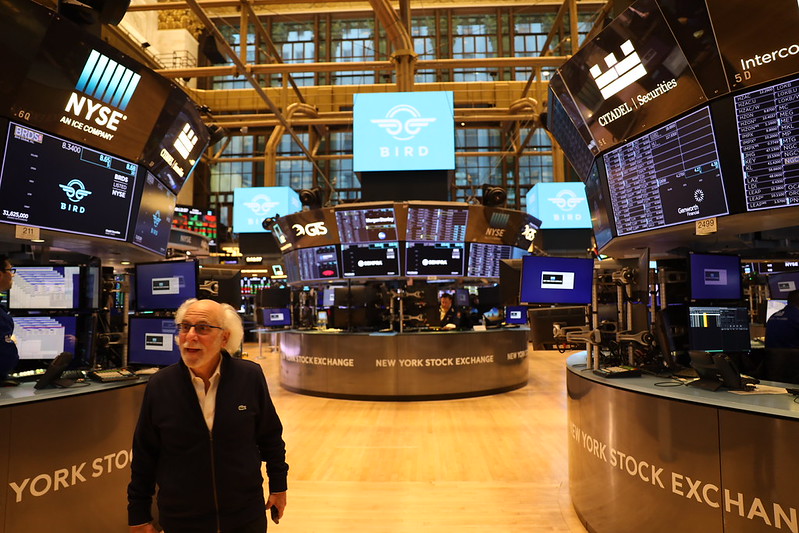
Nasdaq futures lead losses down 1.4% on tech profit-taking; crude jumps, although trades off highs, on China purchase pledge while precious metals see heavy liquidation

Korea's central bank held at 2.50% but shifted hawkishly, as Iran-driven oil prices spiked inflation, with rising commodity costs and supply-chain disruptions threatening global growth and monetary policy.

The dollar remains firm as safe-haven demand grew amid the Strait of Hormuz blockade and expectations the Federal Reserve will keep rates unchanged.
Eurozone inflation unexpectedly accelerated in February, raising ECB policy risks as Middle East tensions threaten renewed energy-driven price pressures.
Schmid said policy no longer restrains growth, warned inflation may stay near 3%, and urged maintaining restrictive rates to keep pricing pressure from getting entrenched.
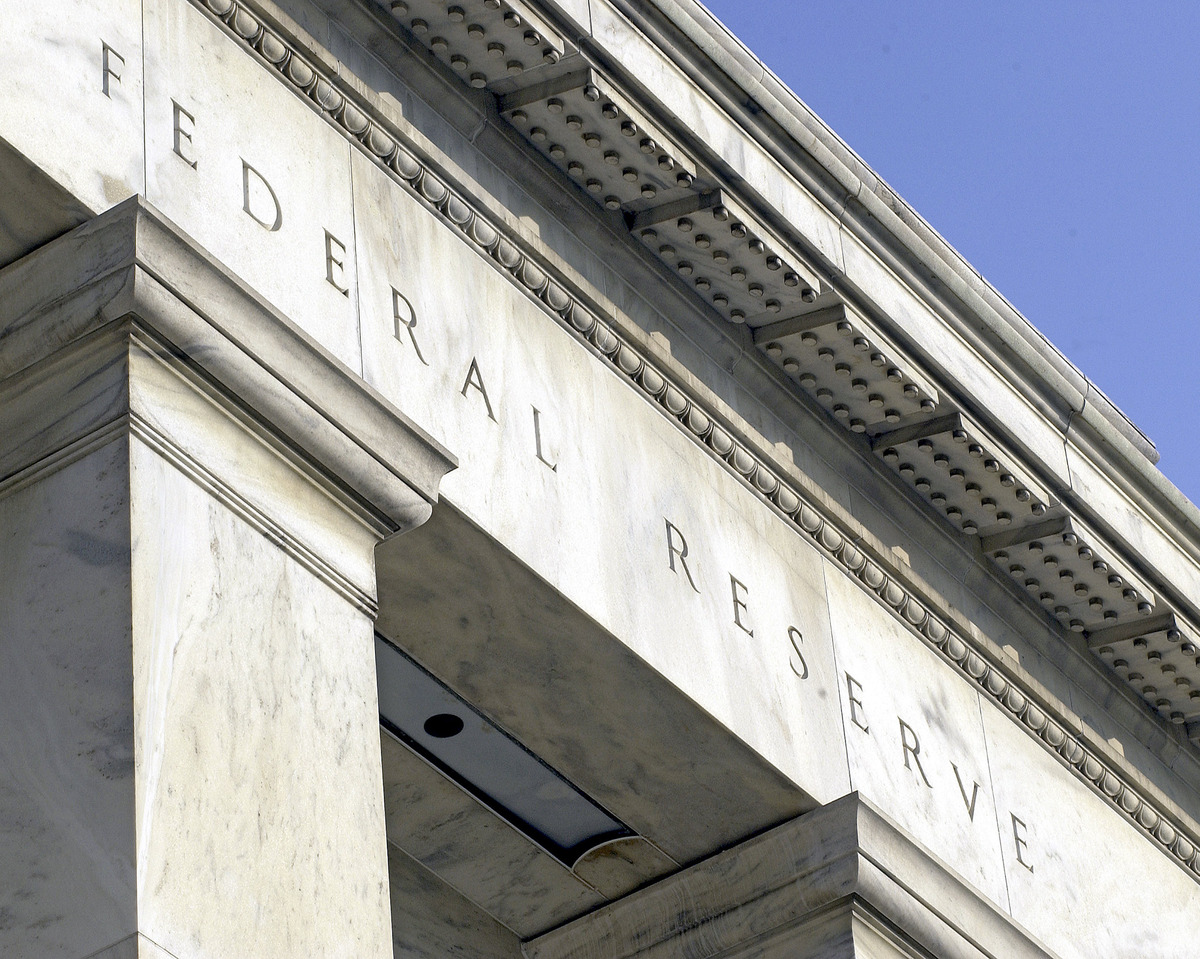
The Fed unanimously held rates while sharply raising its inflation projections, with energy-led supply shocks driving PCE forecasts higher