All Articles
Browse our complete collection of financial news and analysis
Browse our complete collection of financial news and analysis
Browse our complete collection of financial news and analysis

Fragile U.S.-Iran ceasefire tensions, stalled Hormuz oil flows, and upcoming economic data could weigh on markets, pulling the S&P 500 futures lower after a strong rally driven by initial geopolitical optimism.

February CPI met expectations and hit a five-year core low, but energy shocks and policy distortions may keep the Federal Reserve cautious on rate cuts.
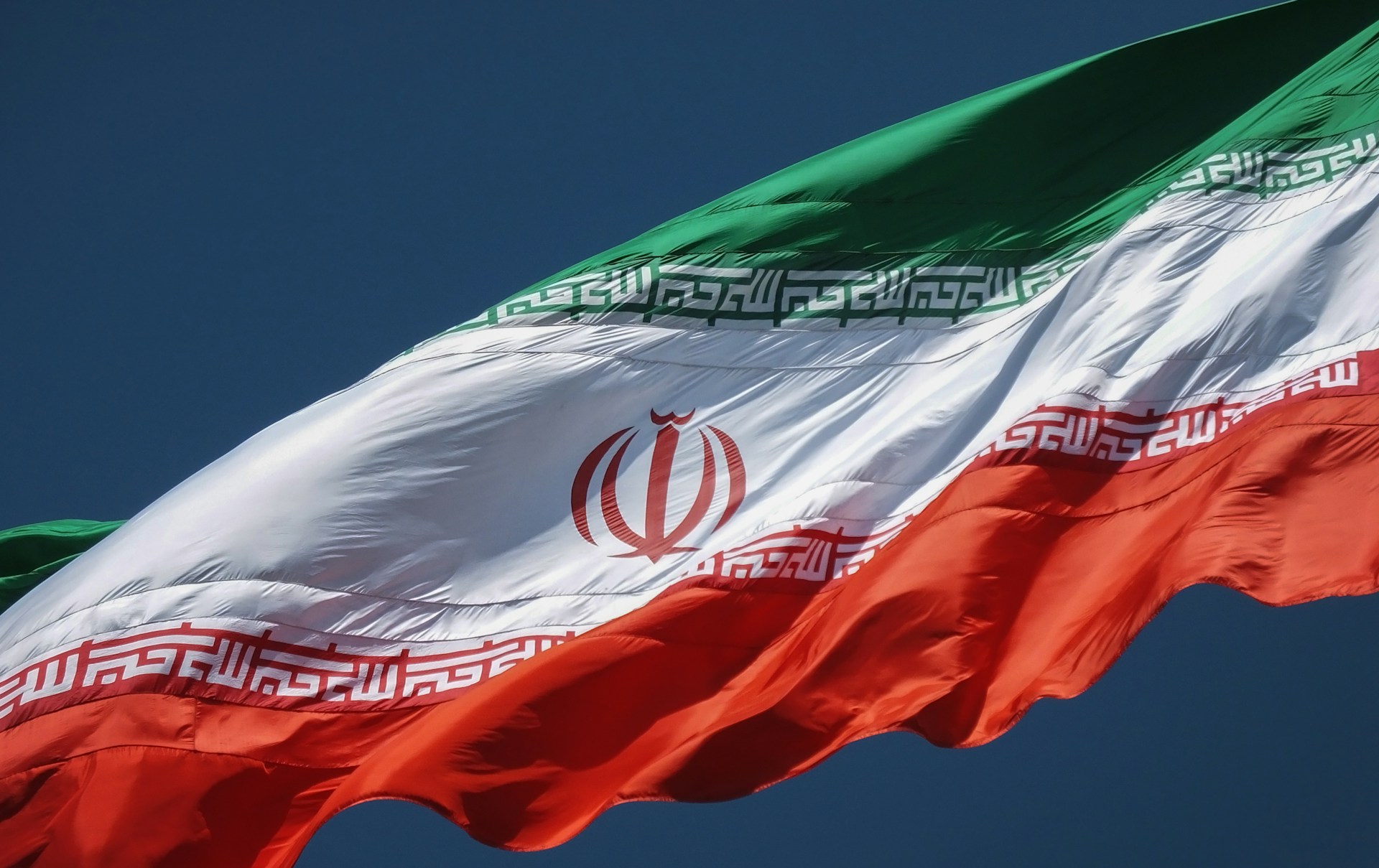
US stock futures recover, while Oil slumps as markets breathe sigh of relief on US-Iran ceasfire.
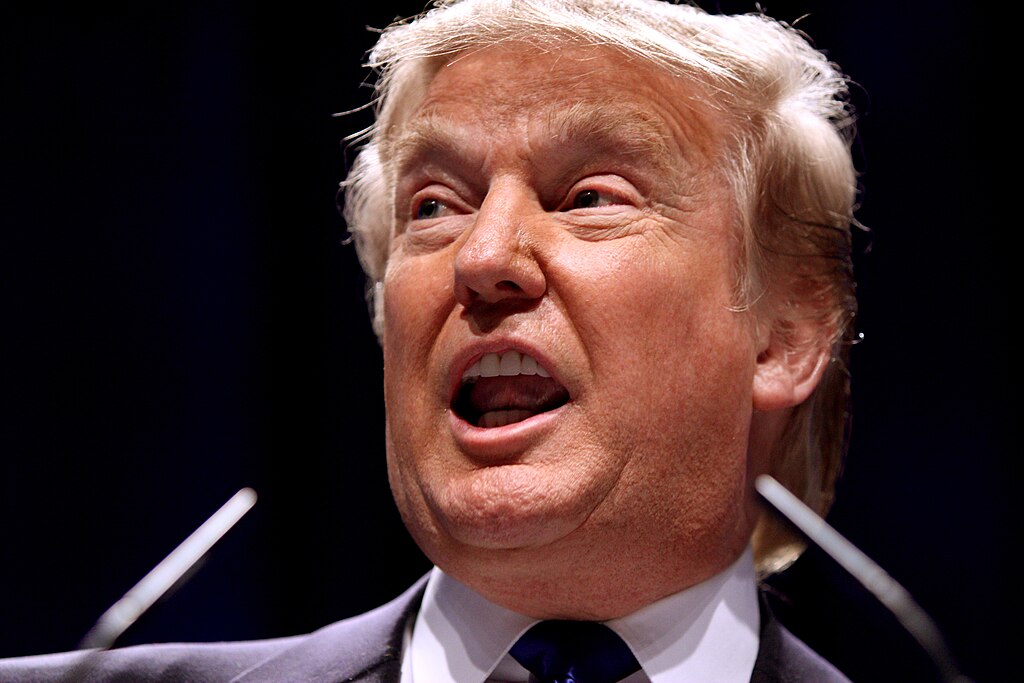
Trump threatened intensified attacks on Iran, stressed U.S. energy independence, and urged allies to secure supply routes, as tensions escalated.

U.S. futures declined as Iran tensions escalated and deal prospects dimmed, while mixed durable goods data added uncertainty, with investors closely watching upcoming inflation data and Federal Reserve signals.

German business sentiment fell as firms cited war-driven oil shocks, delaying recovery but the euro stayed resilient.
Escalating Middle East tensions lifted oil and increased risk aversion but Morgan Stanley makes the case that the correction may be coming to an end.

U.S. services PMI weakened in March as Iran war disruptions lifted costs and hurt employment, while markets rallied on softer data amid hopes the Fed may take a dovish stance.

Iran war disrupts Qatar helium supply, threatening semiconductor production and worsening memory shortages as AI demand competes with consumer electronics manufacturing.

Ceasefire hopes briefly lifted sentiment, but Iran’s rejection kept tensions high, sending oil higher and leaving equities volatile while the dollar held steady amid uncertainty.
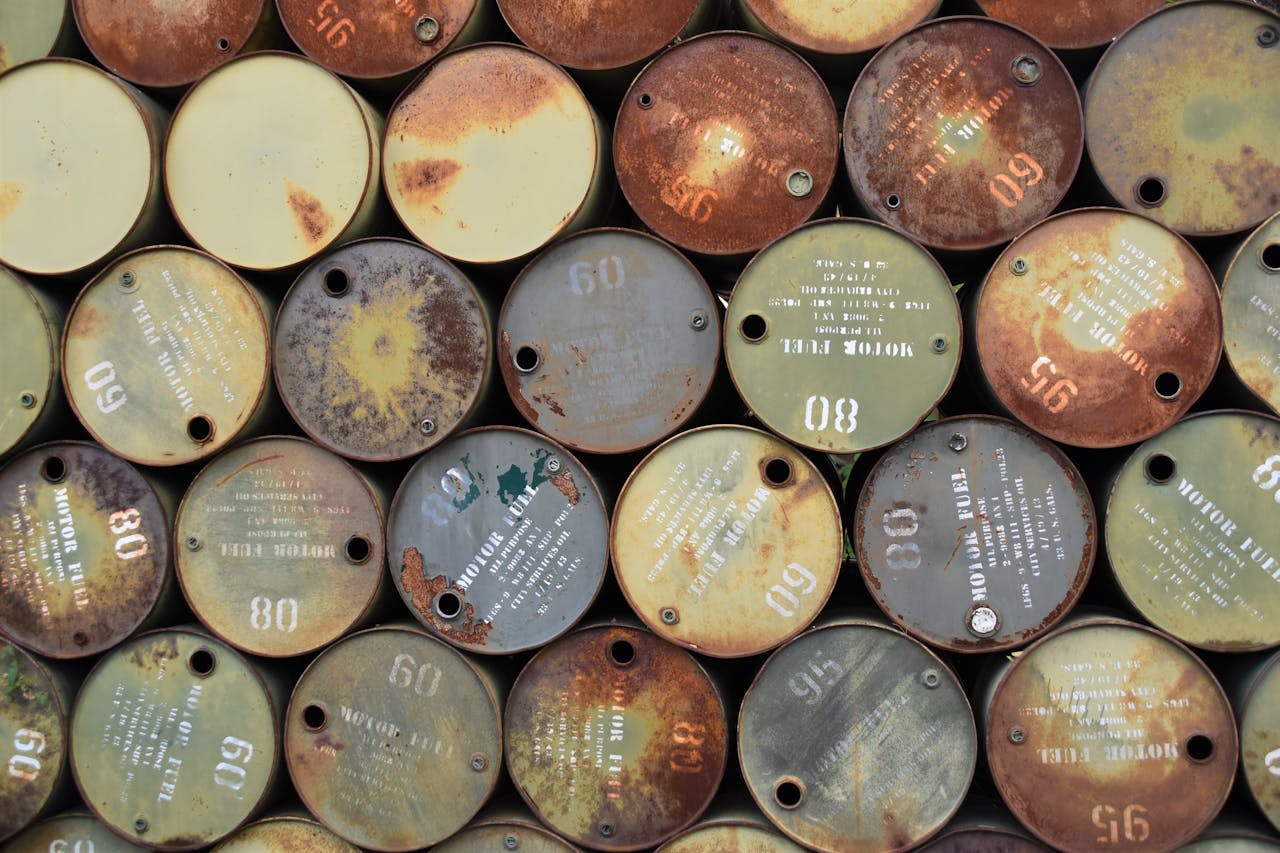
Oil surged above $116 as supply risks arising from the Iran war intensified, supported by a weaker dollar, tight physical markets, strong backwardation, and rising speculative positions.
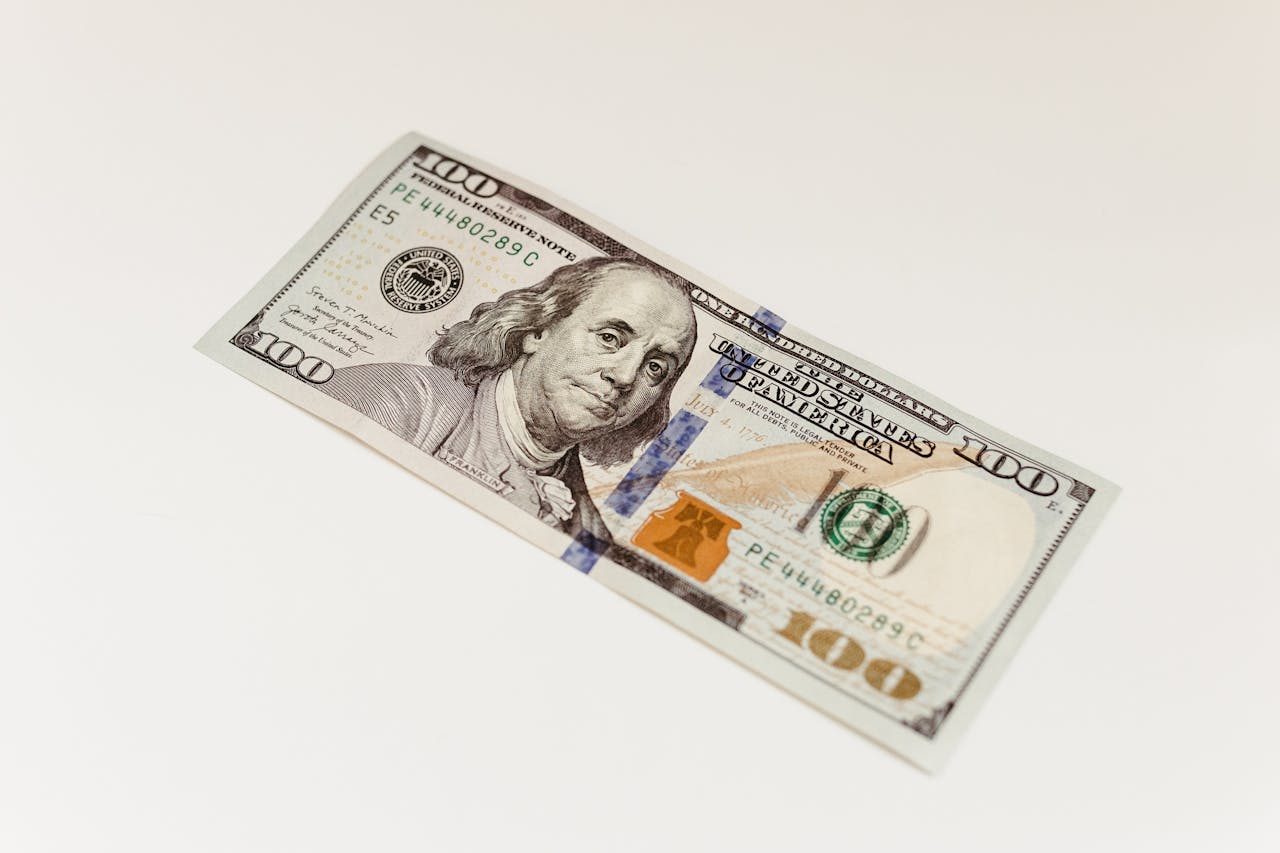
The U.S. dollar weakened as easing geopolitical tensions reduced safe-haven demand, prompting an unwinding of long positions, and it remained within its recent range.