All Articles
Browse our complete collection of financial news and analysis
Browse our complete collection of financial news and analysis
Browse our complete collection of financial news and analysis

New York manufacturing activity rebounded sharply in April with strong gains in orders, shipments, and employment, while rising input costs, weakening optimism, and softer capital spending signaled cautious outlook.

Markets rebounded after war-driven selloff, supported by resilient earnings, easing volatility, and AI-led tech strength, with strategists expecting momentum to continue despite geopolitical risks and upcoming Fed decision.

Oil demand growth is expected to remain strong for the year, while supply growth will likely remain modest, even as geopolitical risks drive volatility in energy markets.

The April WASDE report showed U.S. wheat, corn and soybean ending stock maintained unchanged, with modest price gains across major crops.

Fragile U.S.-Iran ceasefire tensions, stalled Hormuz oil flows, and upcoming economic data could weigh on markets, pulling the S&P 500 futures lower after a strong rally driven by initial geopolitical optimism.

Geopolitical disruptions have tightened global energy markets, pushing prices higher in the near term, with normalization expected only if supply flows recover.

U.S. services PMI weakened in March as Iran war disruptions lifted costs and hurt employment, while markets rallied on softer data amid hopes the Fed may take a dovish stance.

The labor market shows resilience with jobless claims falling to 202,000, though March layoffs rose 25% to 60,620, driven by AI-related cuts in tech, transportation, and healthcare sectors.

Corn and wheat acreage is projected to decline in 2026 while soybean and cotton plantings increase, as U.S. grain stockpiles as of early March rise year over year despite concerns over tighter future supply.

Escalating strikes across Iran, Israel aGulf states are sustaining oil’s risk premium and driving volatility across global energy markets.

Crude remains poised for a record monthly surge as Houthi missile attacks open a new Red Sea front, intensifying Iran war risks and disrupting key shipping routes.
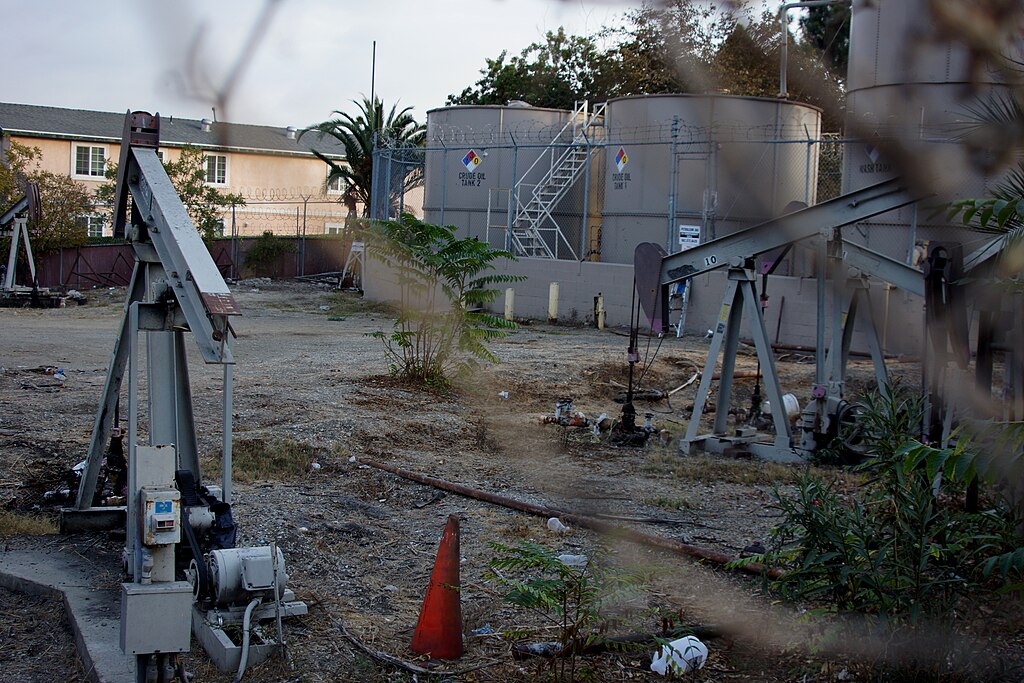
Crude oil rebounded above $87 as supply disruption fears tied to the Strait of Hormuz overshadowed efforts by global policymakers to calm markets.