All Articles
Browse our complete collection of financial news and analysis
Browse our complete collection of financial news and analysis
Browse our complete collection of financial news and analysis

Eurozone inflation cooled to multi-month lows as energy dragged prices, reinforcing expectations of near-term ECB easing.
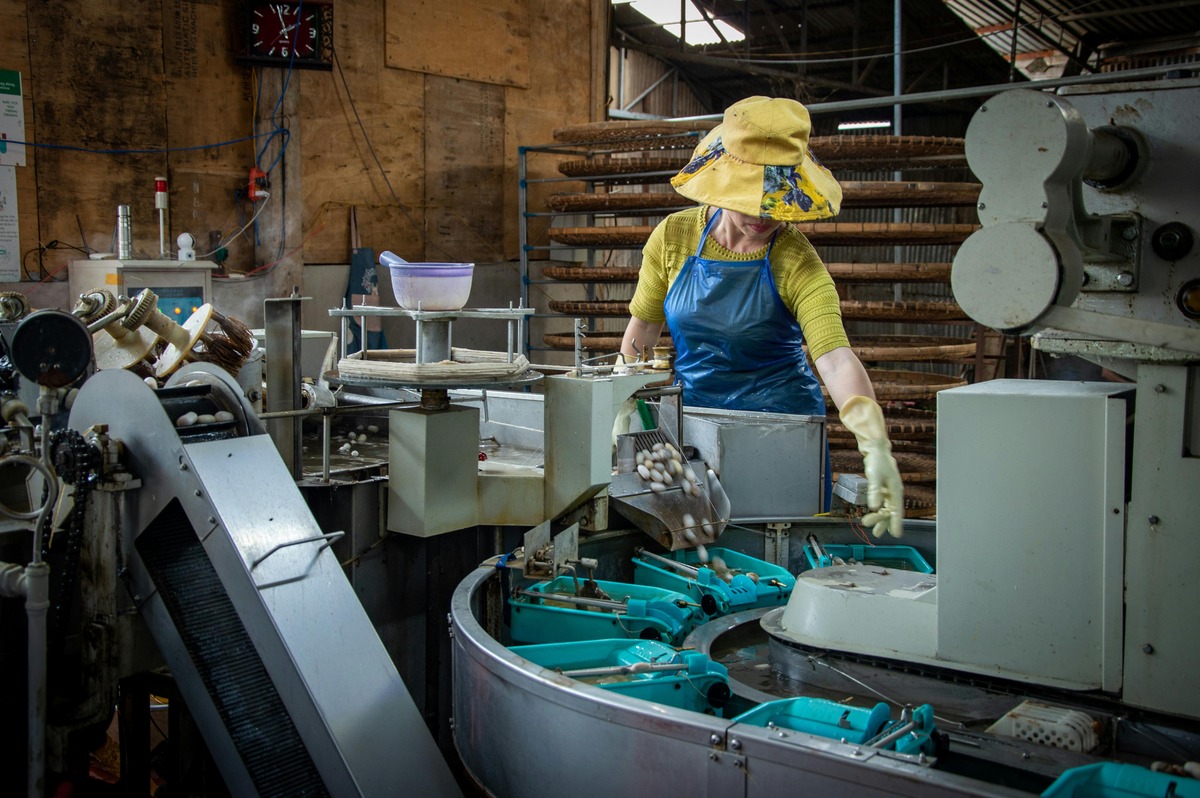
Euro area GDP grew just 0.1% in Q1, while April inflation jumped to 3%, driven by soaring energy prices as the U.S.-Iran war triggers a supply shock.

Inflation expectations spiked in April, marking the biggest one-month jump in a year and consumer morale took a hit, confounding Fed's policy outlook.
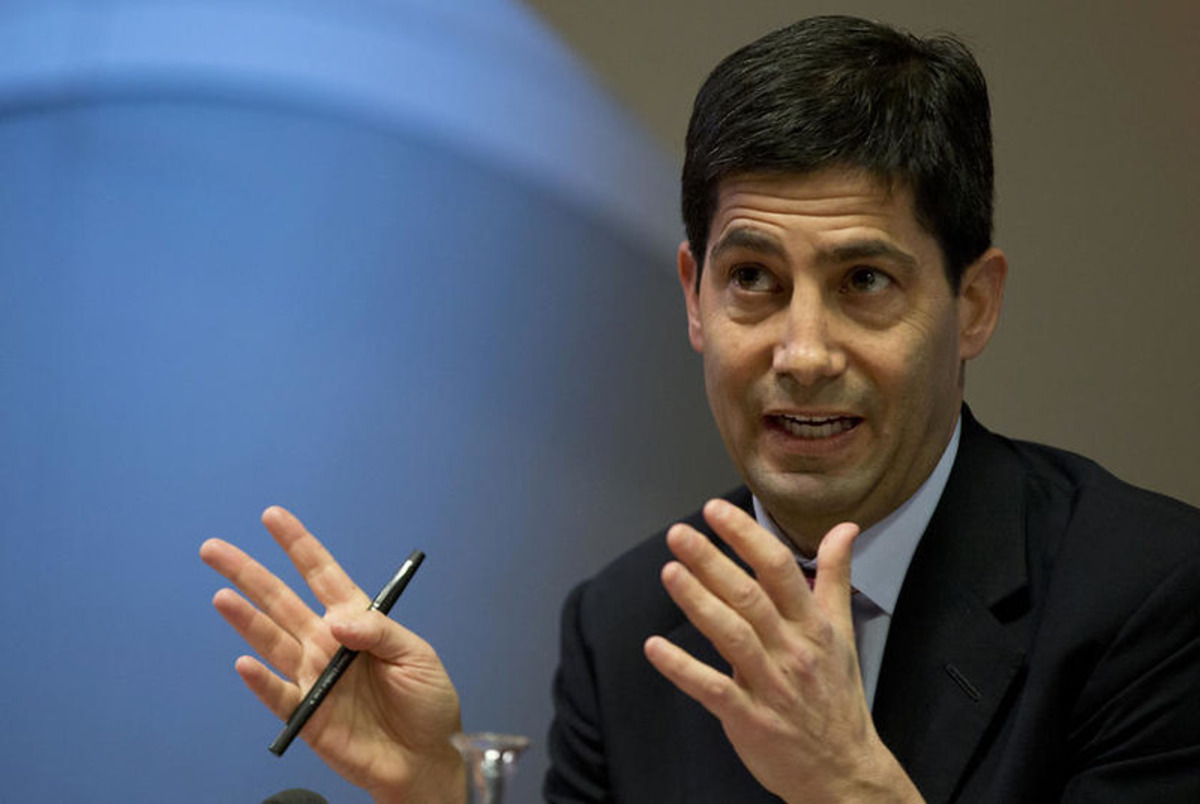
The former Fed Governor faces a Senate confirmation hearing focused on inflation, interest rates, Fed independence, political pressure, economic uncertainty, and market expectations surrounding his potential leadership of the central bank.
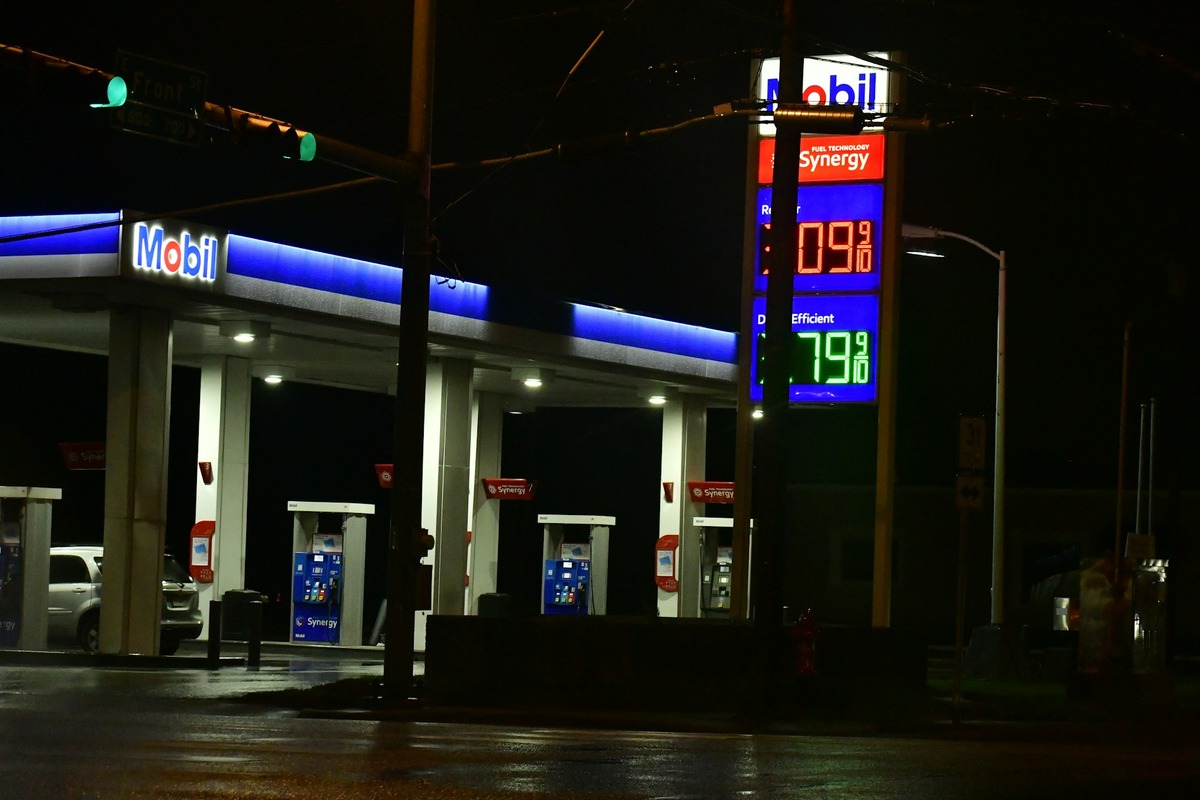
The U.S.-Iran war has dented consumers’ morale notably in April, with near-term inflation expectations increasing further from March levels.
Incoming Fed Chair Kevin Warsh signals a break from Powell's playbook, favoring trimmed inflation gauges, balance sheet reduction, and rate cuts, but faces internal resistance, political scrutiny, and market skepticism over his independence.
April PCE inflation came in hotter than the Fed would like, accelerating to a 3-year high, first-quarter growth was revised lower, and the labor market held firm, cementing the case for a pause at the June meeting.
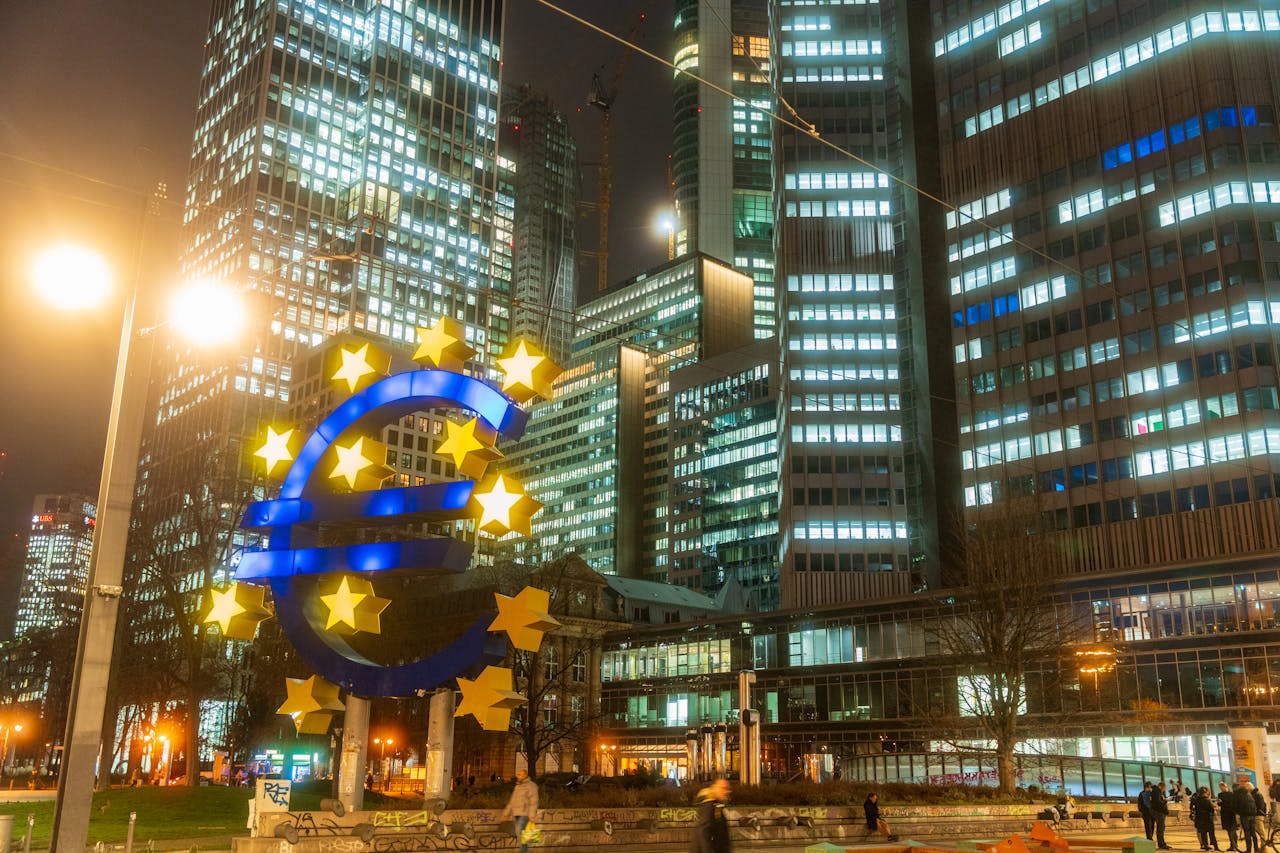
The central bank clarified that “the implications of the war for medium-term inflation and economic activity will depend on the intensity and duration of the energy price shock and the scale of its indirect and second-round effects.”
New York Fed manufacturing index stayed positive in February, signaling regional expansion, in turn tempering expectations for near-term Fed rate cuts.
Weak income, soft real spending, and downward GDP revisions signal slowing U.S. economic momentum, while persistent inflation keeps pressure on the Federal Reserve.
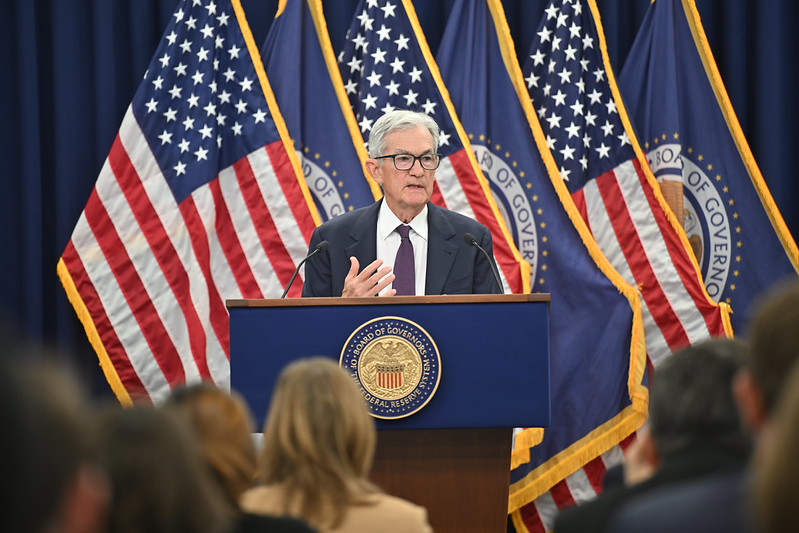
The Fed chose to wait and watch how inflation plays out in the aftermath of the Middle East shock but remained optimistic of the economic momentum.
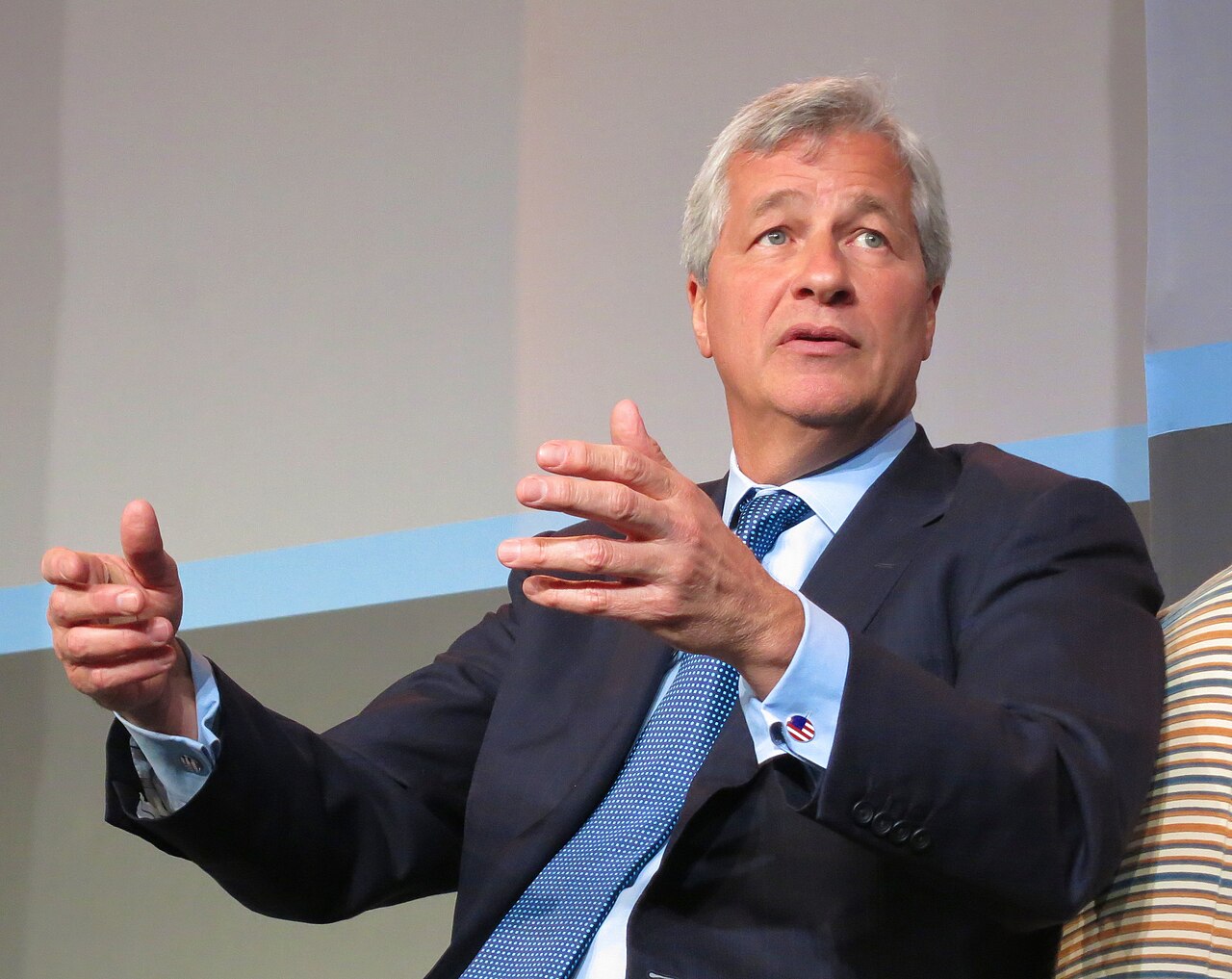
Jamie Dimon warns geopolitical tensions and supply shocks may drive persistent inflation and higher rates, while urging policy reforms, stronger alliances, and investment to boost U.S. economic growth.