All Articles
Browse our complete collection of financial news and analysis
Browse our complete collection of financial news and analysis
Browse our complete collection of financial news and analysis
The Federal Reserve’s favorite inflation gauge came in line with expectation, although continuing to remain above the central bank’s target.
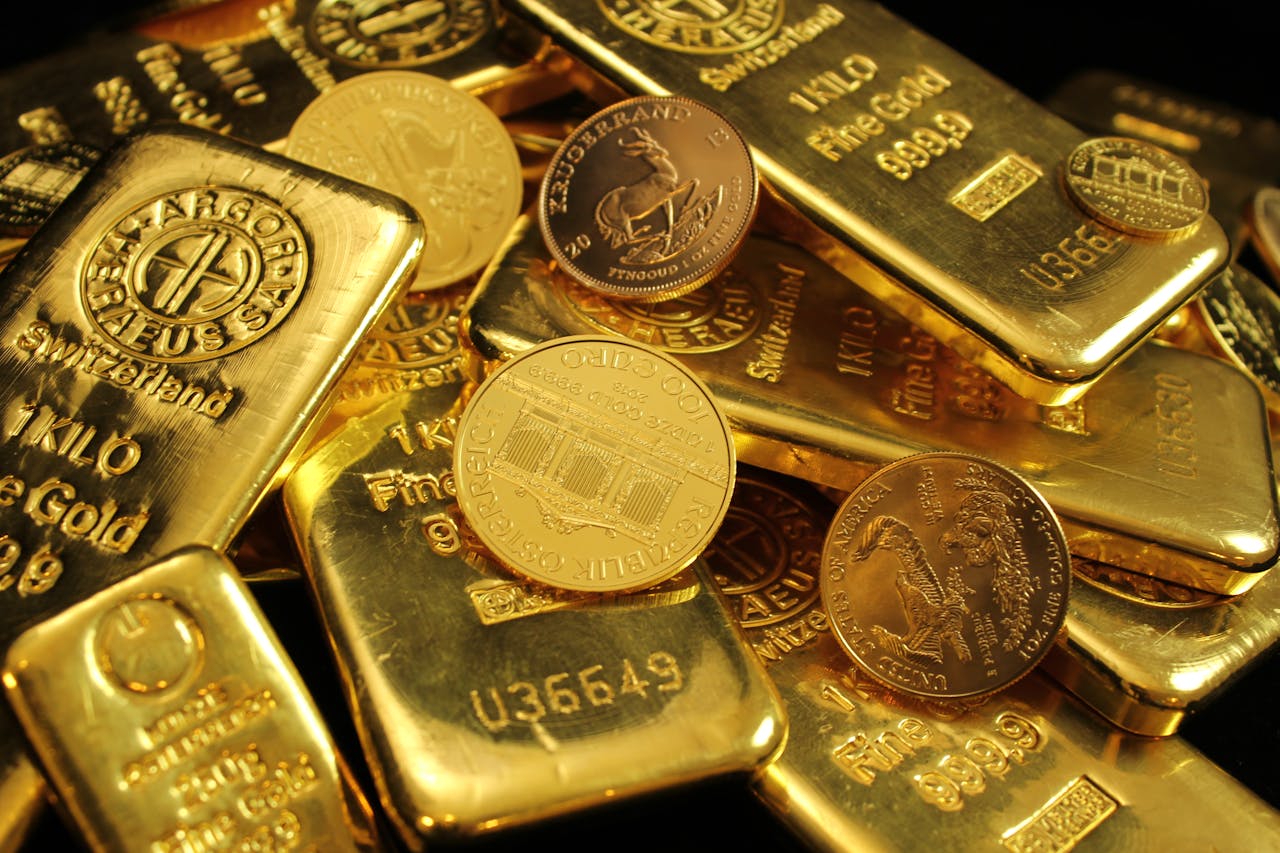
Gold is entering the week battered by losses, stemming primarily from a hawkish Fed. Yet, China's central bank is buying, providing a floor as markets brace for Thursday's critical PCE print

Consumers expect higher near-term inflation driven by surging energy prices, while long-term expectations stay stable, and this could leave the Federal Reserve cautious on rates.

Dallas Fed President Lorie Logan explained why the U.S. cannot fully offset the Hormuz supply shock, and cited falling global fertility as a slow-moving threat to economic stability.

China’s imports surged on higher commodity, and semiconductor prices, while export growth slowed amid weaker global demand and supply chain disruptions, narrowing the country’s trade surplus.
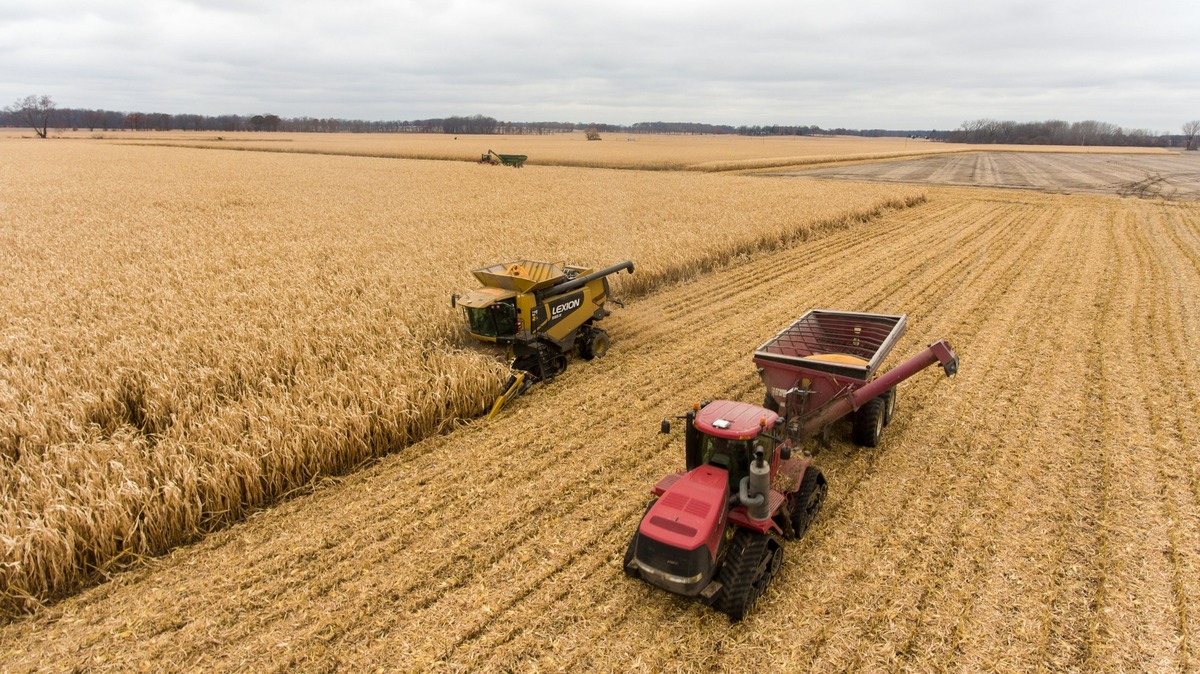
USDA forecasts of reduced wheat and corn output, combined with robust soybean processing demand and optimism over future U.S.-China trade discussions, lifted sentiment across agricultural commodity markets on Tuesday.
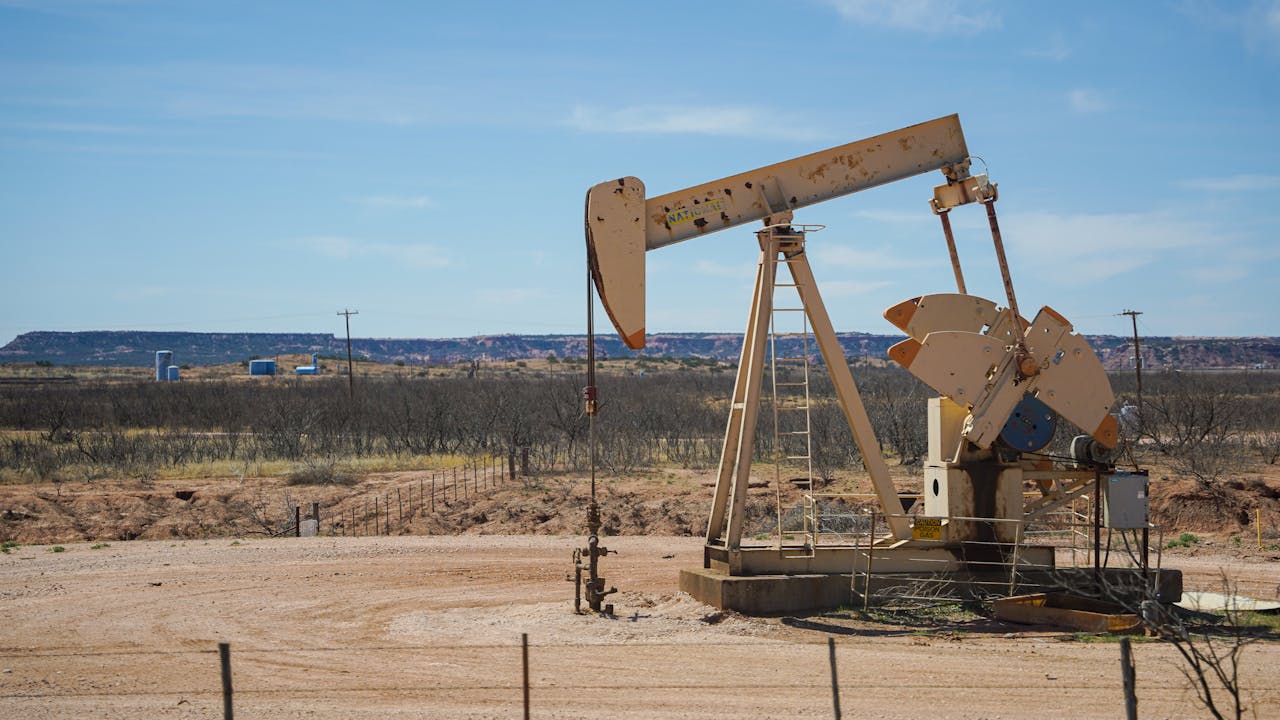
Trump’s “TACO” trade weighed on Brent crude futures, though Iran’s continued aggression and expectations of prolonged disruption in the Strait of Hormuz provided a floor to prices.
Gold faces macro headwinds from interest rates and the SpaceX IPO. All eyes are on today's University of Michigan inflation data to see if the metal can sustain its current support above $4,000.
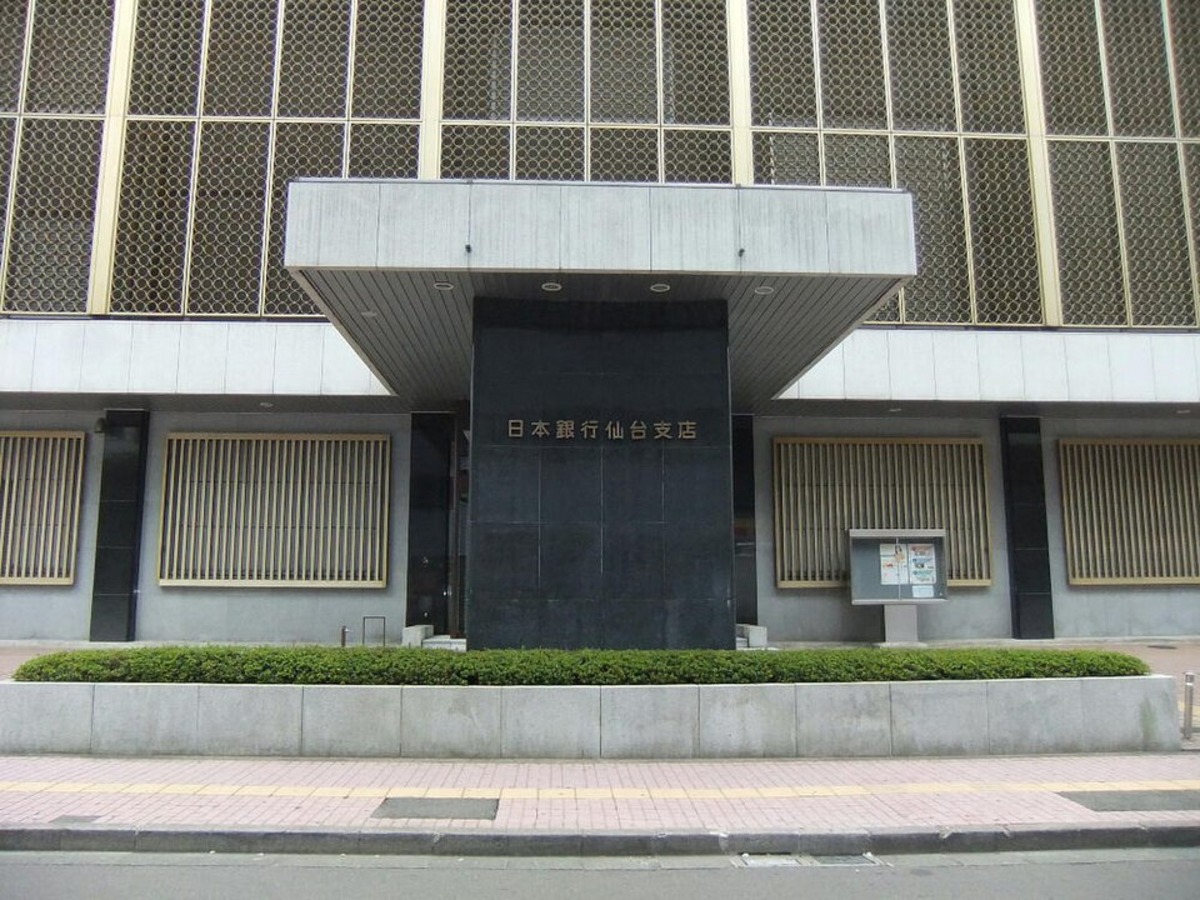
Despite the BOJ hiking to a 31-year high of 1%, the yen holds above 160 as negative real rates, wide Fed differentials, and Uchida's vague guidance keep carry trades firmly intact.

The Reserve Bank of Australia delivered a narrowly split 25-bps hike to 4.10%, signaling a renewed tightening bias as persistent inflation and war-driven energy shocks complicate the policy outlook.
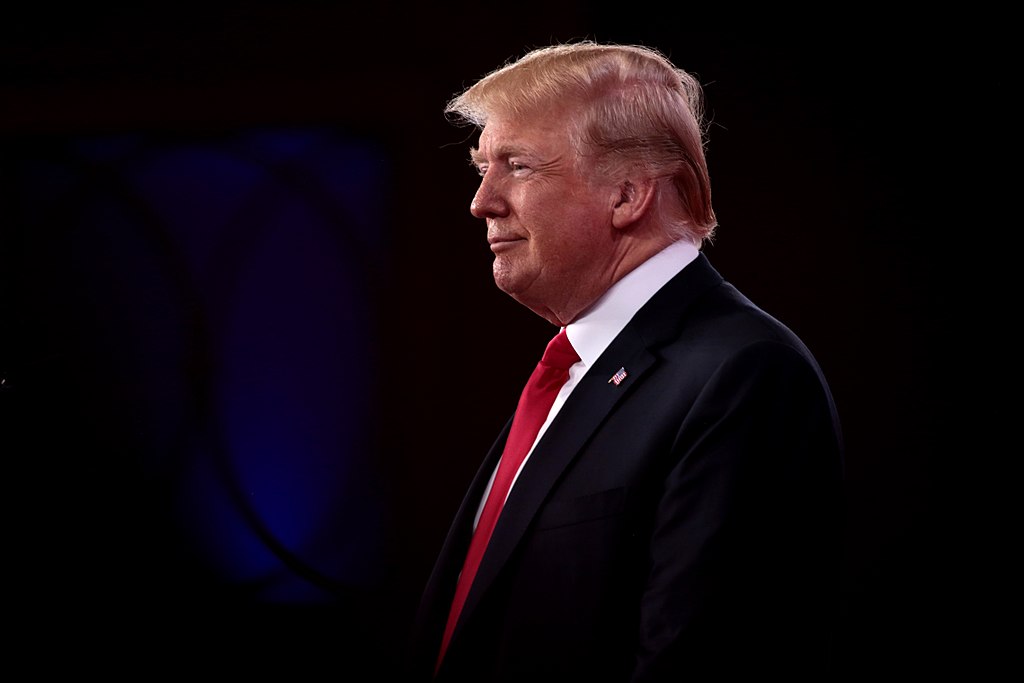
Trump highlighted economic progress, tariffs, healthcare reform, homeownership measures, retirement benefits expansion, and strong investment and job growth.

Korea's central bank held at 2.50% but shifted hawkishly, as Iran-driven oil prices spiked inflation, with rising commodity costs and supply-chain disruptions threatening global growth and monetary policy.