All Articles
Browse our complete collection of financial news and analysis
Browse our complete collection of financial news and analysis
Browse our complete collection of financial news and analysis
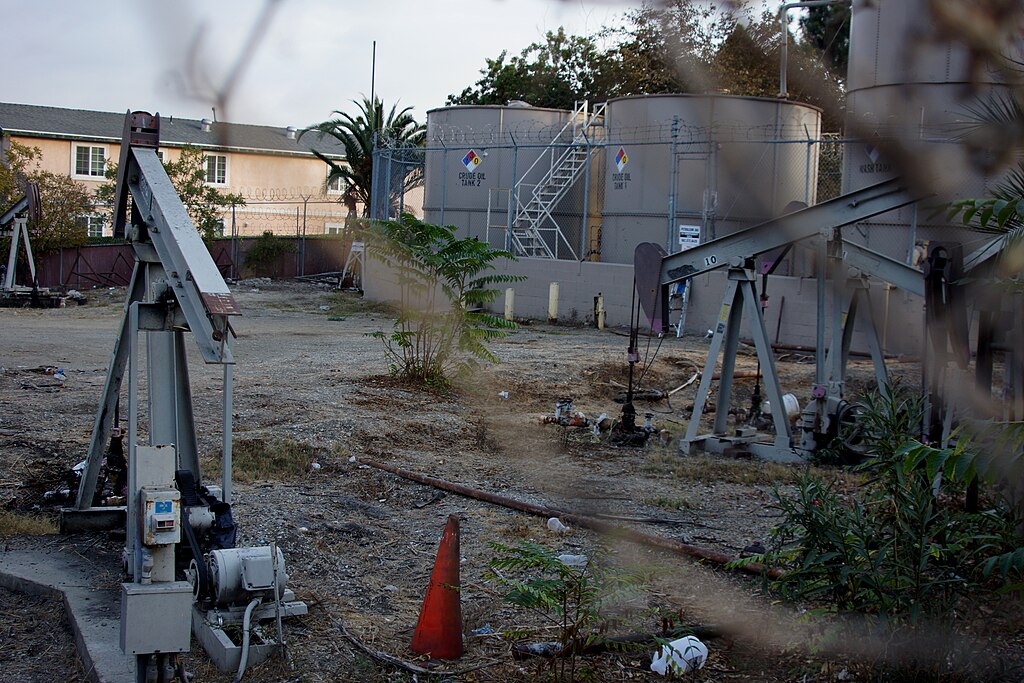
Crude oil rebounded above $87 as supply disruption fears tied to the Strait of Hormuz overshadowed efforts by global policymakers to calm markets.
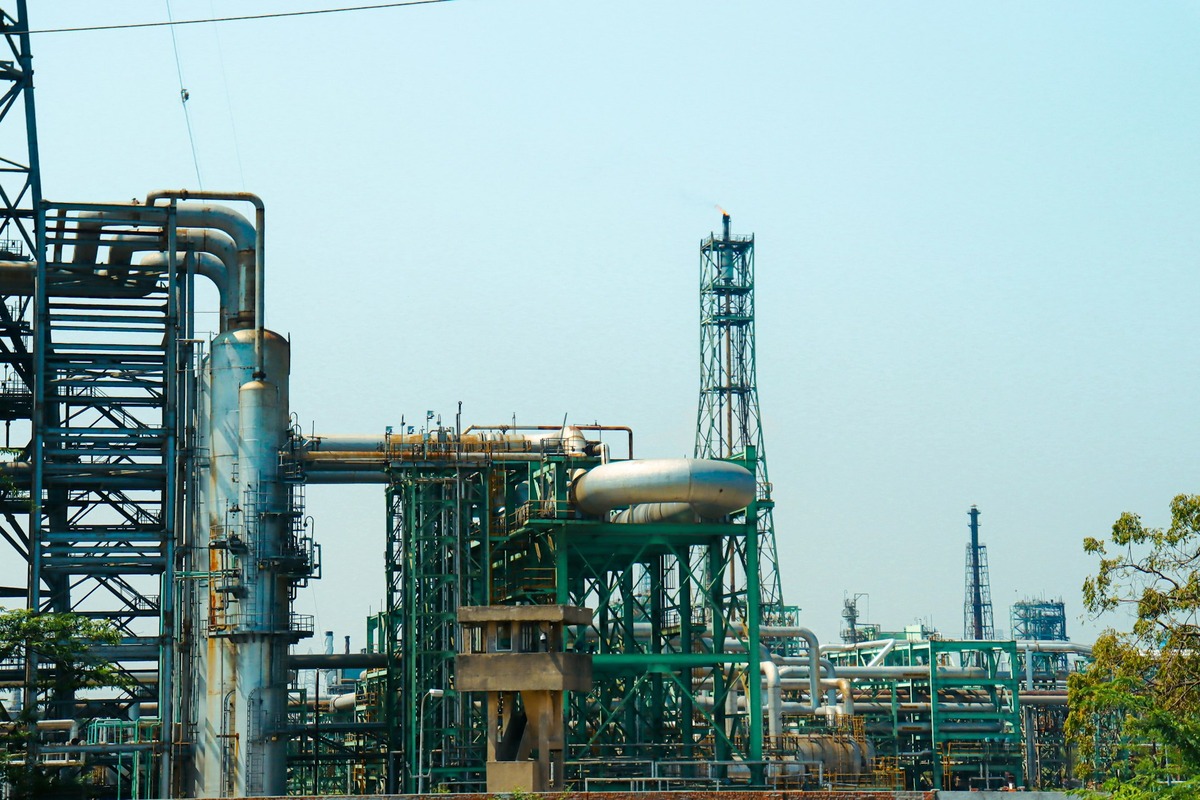
Oil prices tumbled from near $120 to below $90 after G7 reassurances calmed markets, though risks persist amid the ongoing U.S.–Iran conflict and Hormuz disruption.
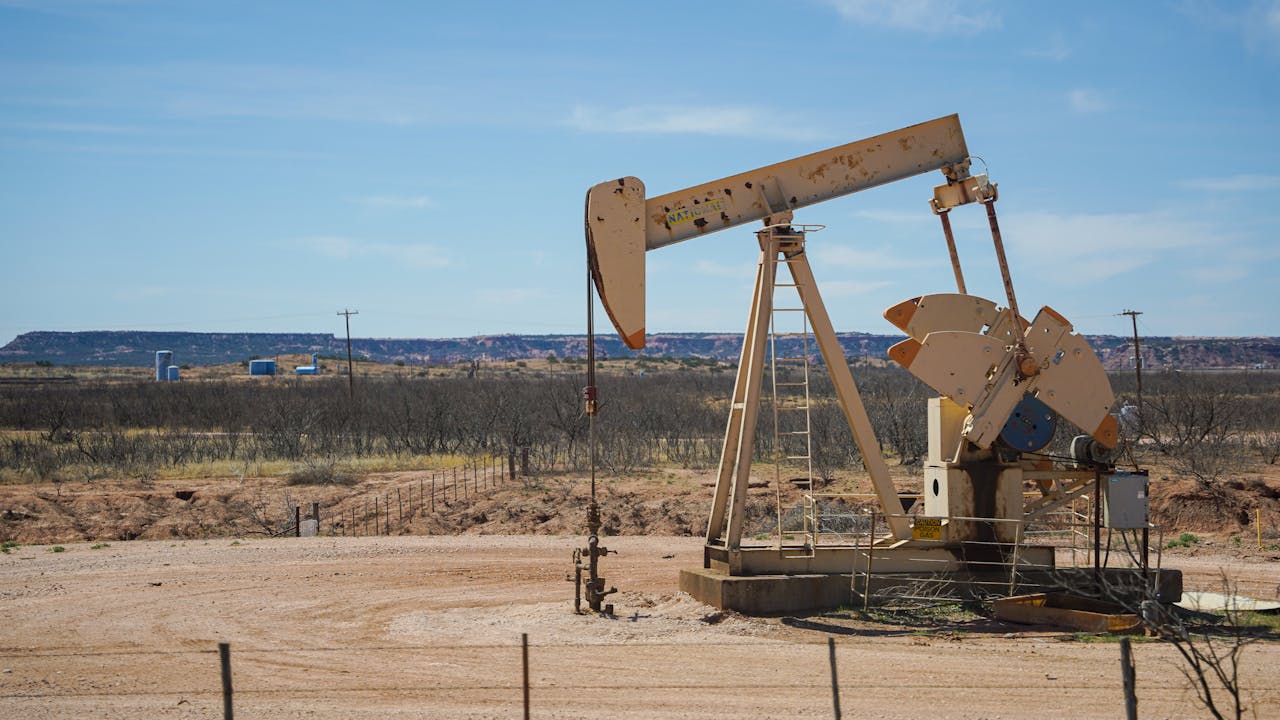
Trump’s “TACO” trade weighed on Brent crude futures, though Iran’s continued aggression and expectations of prolonged disruption in the Strait of Hormuz provided a floor to prices.

The dollar remains firm as safe-haven demand grew amid the Strait of Hormuz blockade and expectations the Federal Reserve will keep rates unchanged.
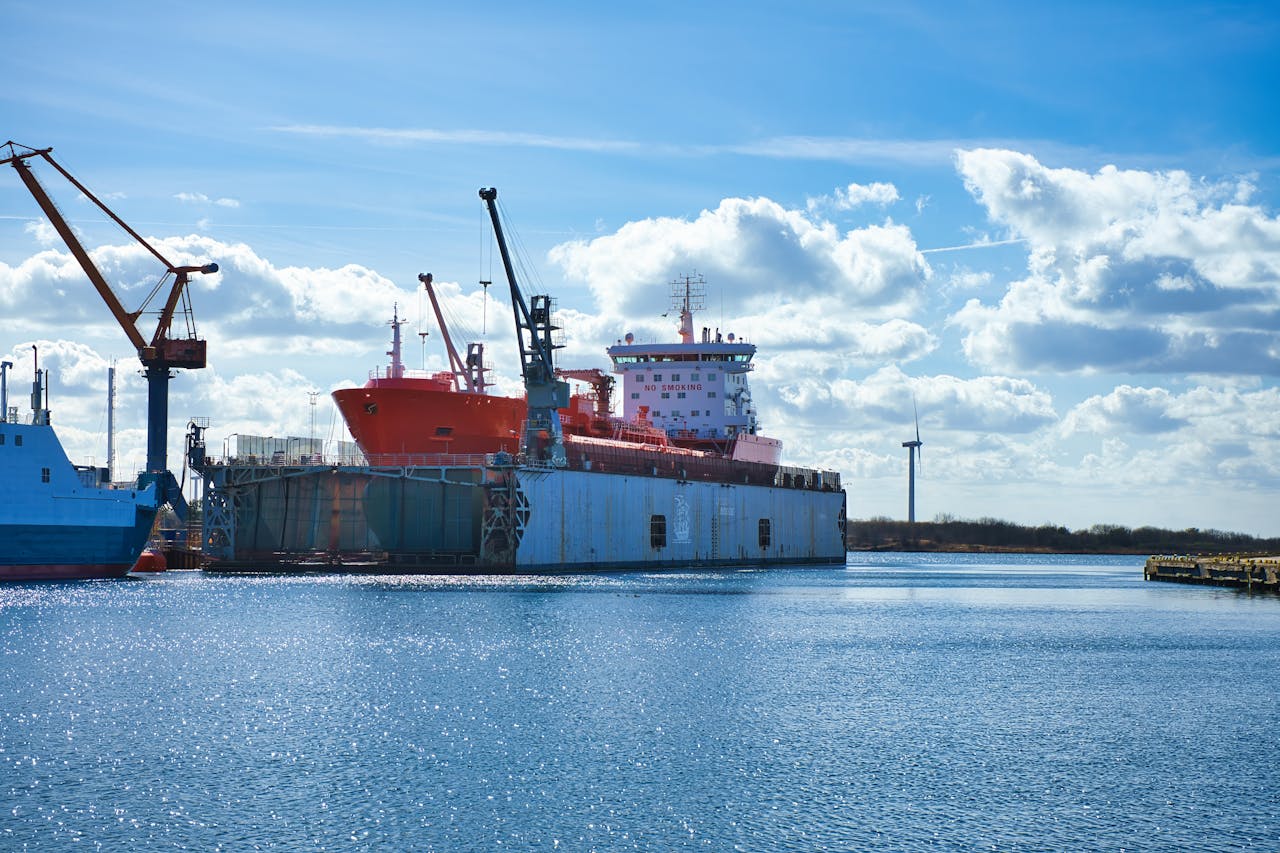
Oil rose over 2% despite Donald Trump delaying action against Iran, as persistent tensions, supply disruptions, and stranded vessels continue to fuel volatility and keep crude prices elevated.

Regional stocks rise modestly as easing inflation data and currency moves support gains, though oil shocks and geopolitical uncertainty continue to weigh.
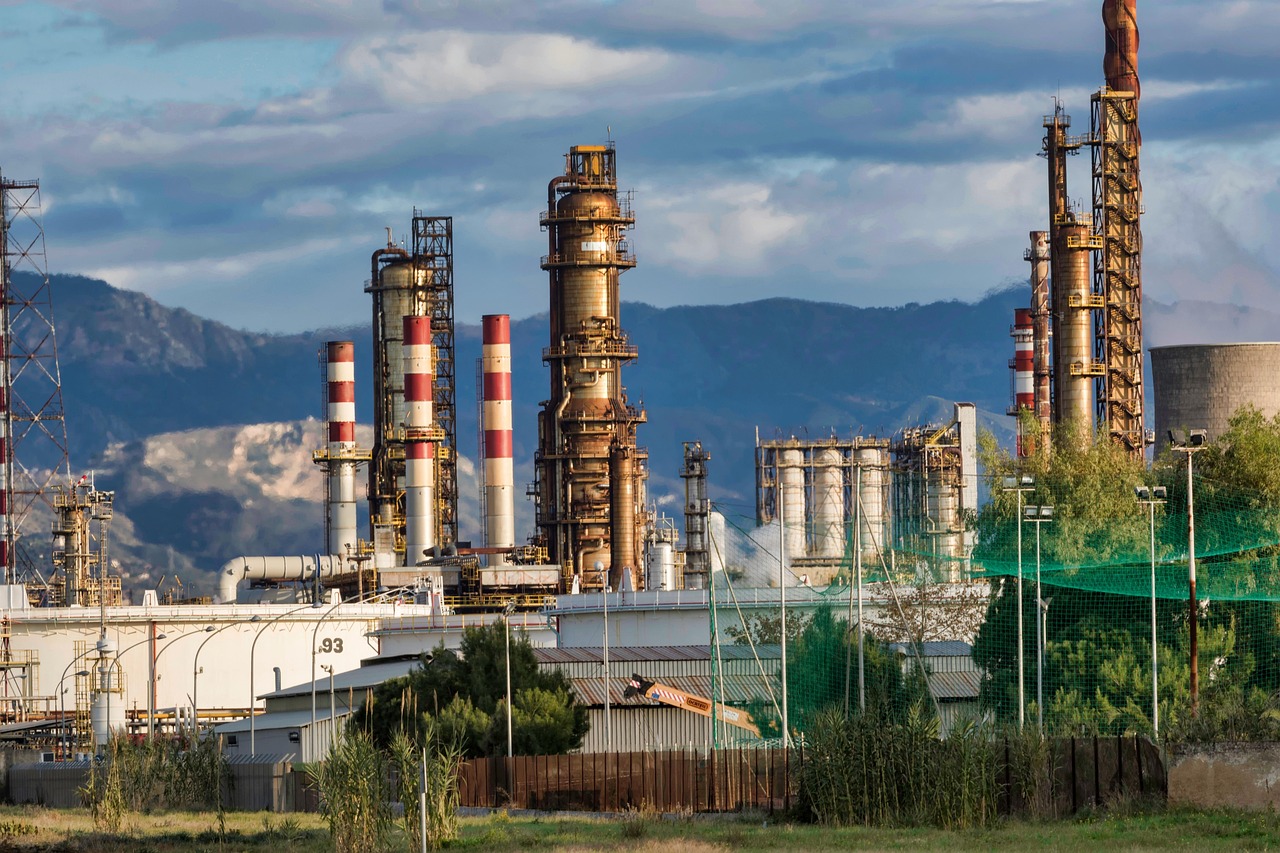
Oil prices surge on Middle East conflict fears as Gulf supply disruptions and Hormuz shipping risks raise the possibility of major energy shock.
Renewed geopolitical tensions around the Strait of Hormuz and a refinery explosion in Texas heightened supply concerns, driving a broad-based rebound across crude, fuels, and natural gas markets.
Oil demand growth is expected to remain strong for the year, while supply growth will likely remain modest, even as geopolitical risks drive volatility in energy markets.

Escalating U.S.-Iran tensions and oil supply risks raise stagflation concerns, complicating global monetary policy outlook ahead of key economic data.

Oil prices rebound as Iran escalates Hormuz attacks, undermining record IEA reserve release and raising doubts about the market-calming impact.
Middle East conflict drives oil above $100 for first time since 2022, intensifying concerns over inflation and growth.