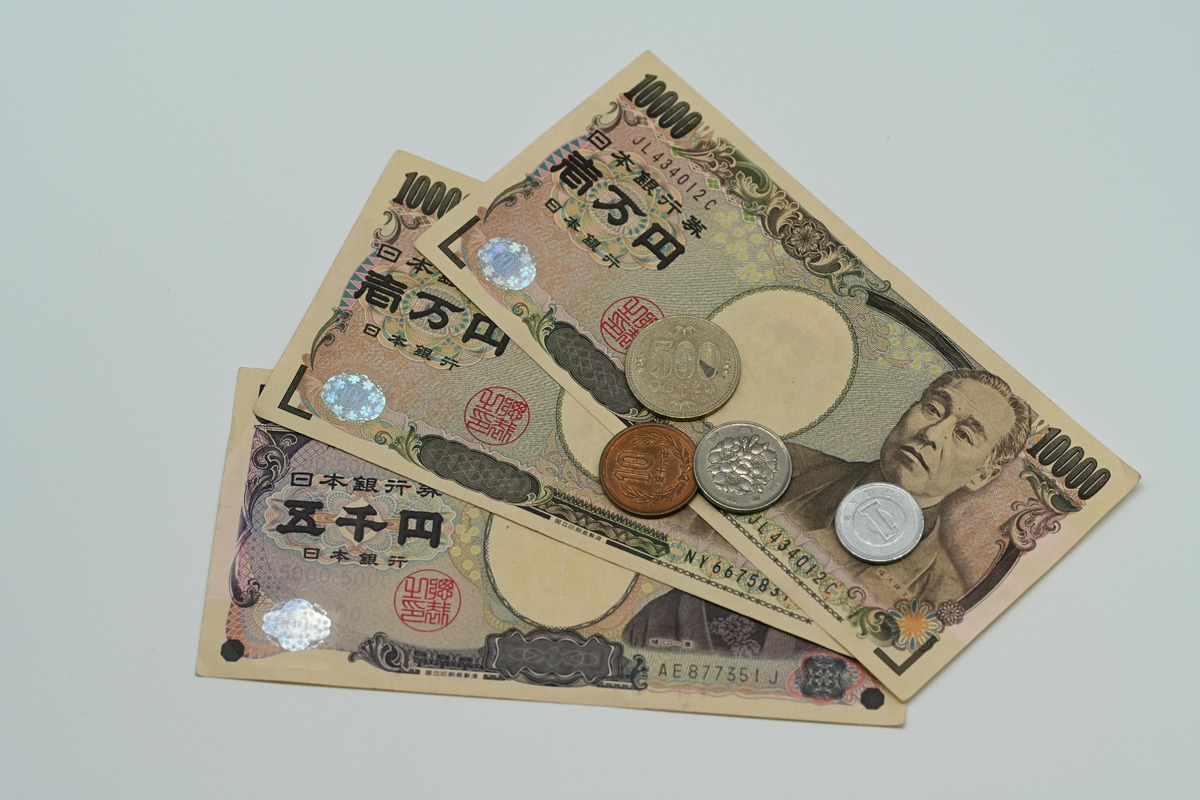
USD/JPY breaches 162 for the first time since 1986 as widening rate differentials, Takaichi's $2.3 trillion fiscal package, and hedged Nikkei inflows pressure the yen despite Tokyo's verbal warnings.
The yen has become the biggest casualty of the U.S. dollar's relentless climb, which has been particularly marked since the onset of the Iran conflict. Since the start of the year, the USD/JPY pair has twice breached the psychological resistance level of 160, once considered a threshold that would immediately trigger intervention, both verbal and actual. The USD went from strength to strength, breaching the 161 level on a closing basis on June 19 and topping the 162 barrier for the first time since 1986 on Tuesday.
According to MarketFramework data, seven-day sentiment toward the Japanese Yen Futures contract (6J), which derives its value from the JPY/USD exchange rate, remained neutral.
When the 161 barrier was conquered for the first time this year, Japanese Ministry of Finance officials talked up the yen and also bought yen in the open market in a bid to arrest its slide beyond this level. The yen promptly firmed up below 160, but only for a little over a month.
The yen-weakness theme manifested itself yet again in early June as forex traders shrugged off the quarter-point hike announced by the BoJ at its June meeting, which took the uncollateralized overnight rate to a 30-year high of 1%. The BoJ's rate decision was closely followed by a hawkish U.S. Federal Reserve monetary policy outcome under new Chair Kevin Warsh. The easing bias was removed from the post-meeting policy statement, personal consumption expenditure (PCE) inflation forecasts were revised upward, and the dot plot pointed to a rate hike as early as this year, completely pricing out any lingering rate-cut bets. More importantly, Warsh's comments were perceived by markets as hawkish.
Wide Chasm In Benchmark Interest Rates
Source: TradingView
Tuesday's 162 breach did not go unnoticed. At a press conference on Tuesday, Japanese Finance Minister Satsuki Katayama said, “We will take appropriate action at any time, as necessary.” She also stated that she recently held a teleconference with U.S. Treasury Secretary Scott Bessent, during which both agreed to take “decisive measures” when needed. Analysts viewed Katayama’s statement as timid and lacking the firepower needed to steady the falling yen.
Some market participants interpreted the muted response as a prelude to a surprise, more effective intervention. Before exploring the ramifications of the yen’s rock-bottom levels and what may come next, let us examine what brought the currency to this point.
Why Yen has Become Undefensible
A host of factors and the interplay among them have taken wind out of the yen’s sails, and chief among these is widening interest rate differential.
Widening Rate Differential
Since the 2-year yield sits closest to the path of expected central bank policy, it's the cleanest proxy for the interest rate differential driving USD/JPY
The 2-year U.S. Treasury-Japanese Government Bond (JGB) spread has pushed up to a 2.75% premium, comfortably clear of the 2.05% support level that's underpinned the trend for months.
Source: Trading Economics
As long as that gap holds anywhere near these levels, the carry trade calculus stays unchanged: short yen, long dollar, collect the spread. Japan's rock-bottom policy rate continues to make the yen the funding currency of choice for this trade: investors borrow cheaply in yen and deploy the proceeds into higher-yielding dollar assets, profiting from the spread as long as the currency doesn't appreciate sharply against them.
With the BOJ's hike only taking the rate to 1% against the Fed's much higher benchmark, the incentive to keep funding in yen remains largely intact, reinforcing the very dynamic driving USD/JPY higher.
Takaichi's Fiscal Bazooka
Japanese Prime Minister Sanae Takaichi's late-June unveiling of a $2.3 trillion public-private investment program over 14 years has revived fears of structural fiscal expansion, weighing down on the yen and potentially long-term JGB yields.
Foreign Stock Inflows Quietly Fuel Yen Weakness
There's a less obvious force at work beneath the headline rate story. The Nikkei 225's record run past 72,000, an intraday all-time high of 72,832 on June 22, has been driven largely by foreign capital flooding into Japanese artificial intelligence (AI) and semiconductor names. The catch is that much of this equity buying comes hedged: overseas funds typically pair their Nikkei longs with yen shorts to strip out currency risk, meaning the more bullish foreign investors get on Japanese stocks, the more structural selling pressure builds on the currency itself.
Implications of a Weaker Yen
A currency at 40-year lows is not a one-sided story for Japan. Exporters and multinationals with overseas earnings, i.e. automakers, machinery makers, the AI-and-semiconductor names driving the Nikkei rally, see a direct translation boost to repatriated profits, which helps explain why equities keep climbing even as the currency buckles.
But the pain shows up elsewhere: Japan imports almost all of its energy and a large share of its food. So a weaker yen pushes import costs higher just as the BoJ is trying to engineer a soft landing on inflation. Households already squeezed by rising prices face a further hit to real purchasing power, and the political pressure on Takaichi's government to do something about the currency will only intensify the longer 162 holds.
What Happens Next
Three things are worth watching from here.
- The intervention question: Katayama's "appropriate action at any time" language was carefully vague, and Tokyo's playbook so far has been verbal warnings followed eventually by direct yen-buying. This suggests authorities may be waiting for a more disorderly move before stepping in with size, rather than defending 162 itself.
- The rate path: Any signal from the BOJ of a faster hiking cycle, or a softer tone from Warsh's Fed, would be the cleanest catalyst to narrow the 2.75% yield premium and take pressure off the yen.
- Speculative positioning: With CFTC data showing speculators already net short roughly 146,000 yen futures contracts, the market is leaning heavily one way. But it can have two-way ramifications. While elevated yen short position can fuel further downside momentum, it also raises the risk of a sharp, intervention-triggered short squeeze if Tokyo finally acts with real size. For futures traders, the key risk to watch heading into July is a heavily one-sided trade that's vulnerable to a sudden reversal if Tokyo finally intervenes with size.
ING forex strategist noted that the BoJ sold around $70 billion dollars in late April/early May following the 160-level breach. But they expect Tokyo to hold off intervening until Friday's U.S. holiday in observance of the U.S. Independence Day. But the USD/JPY pair will see some ripples from Warsh's speech on Wednesday at the European Central Bank's (ECB) annual symposium being held in Sintra, Portugal, and Thursday's monthly U.S. non-farm payrolls report.
The strategists also do not rule out a delayed intervention, some time around July 16-17, ahead of the Japanese Marine Day holiday on July 20. That said, any Japanese intervention can only slow yen's slide, but a reversal will need not only some dramatic BoJ rate hikes, but also a turn in the broad dollar trend, they said. The dollar's direction, however, may not reverse materially until later this year once current Fed hawkishness has run its course.
Technical Picture
USD/JPY continues to trade above its rising 20- and 50-day simple moving averages (SMA), keeping the broader uptrend intact even after Tuesday's break above 161.95. Near-term resistance sits at 162.40, with 163.26 marking the upper boundary of the current ascending channel. A decisive close above that zone would likely open the door toward fresh post-1986 territory with little technical resistance in between.
Source: TradingView
On the downside, support comes in first at 161.33 (the June 22-23 swing low), then 160.90, which lines up with the 20-day moving average. A break below that level would be the first real sign that the rally is losing steam.For now, the path of least resistance remains higher, with intervention risk standing as the main wildcard capable of overriding the chart.