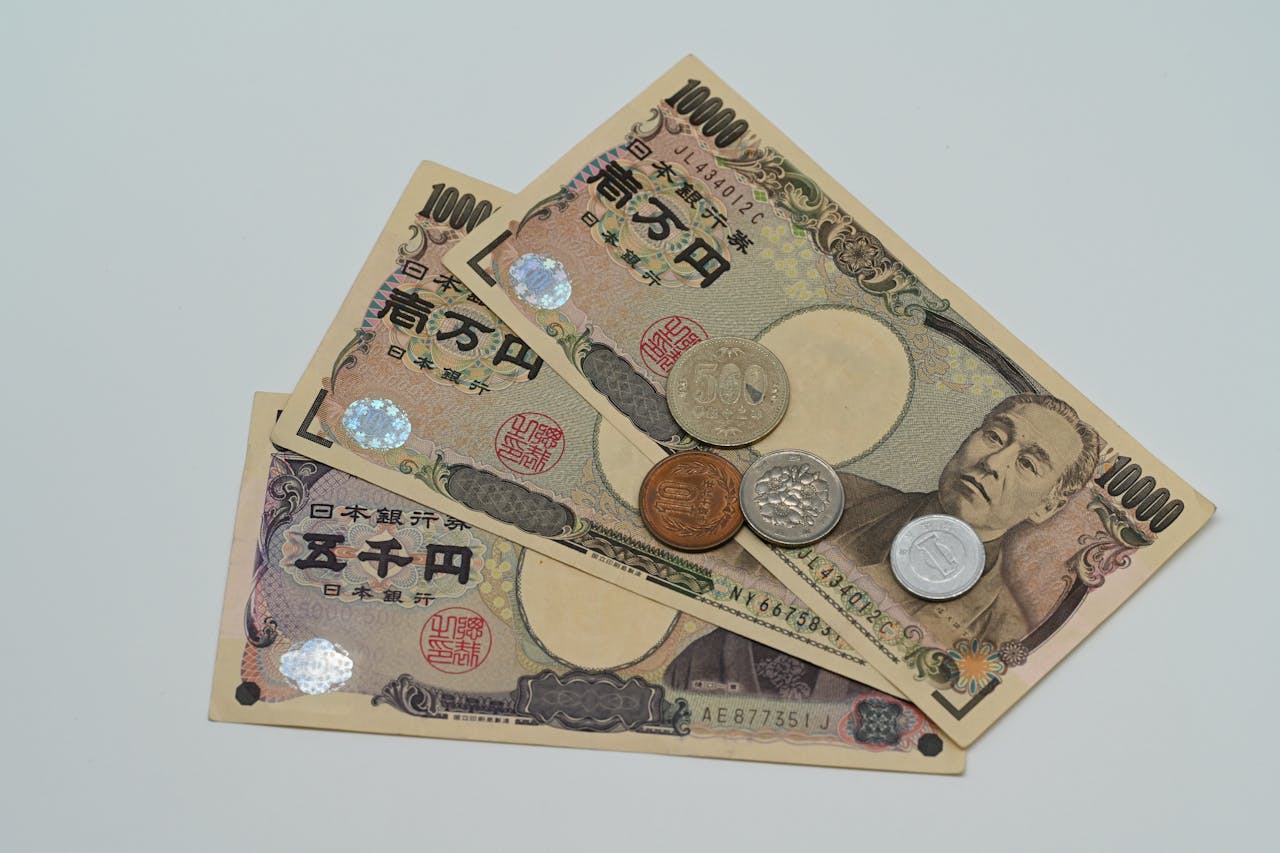
The yen is under pressure from a wide US-Japan rate differential fuelling carry trades, Japan's expansionary fiscal policy, and an energy import shock — forces the BoJ's gradual tightening has so far failed to offset.
The USD/JPY pair touched 160 on Thursday, a level widely considered as the threshold at which Japanese authorities would begin verbally defending the yen and potentially move toward direct intervention. The yen's weakness is all the more perplexing given that it came just a day after Bank of Japan Governor Kazuo Ueda reiterated his commitment to further rate hikes to rein in inflation driven by elevated oil prices amid Middle East tensions.
A rising interest rate trajectory is logically supportive of a nation’s currency as higher yields attract capital inflows, increasing demand for the unit and in turn its value.
The USD/JPY pair has been trading around the 159 level since mid-May, breaching 160 for the first time since April 30 on Thursday. With 160 increasingly viewed as a potential intervention zone, every move higher is likely to be accompanied by heightened policy risk.
Yen's Rough First Half
Source: TradingView
Intervention efforts haven’t been effective in recent times. When the USD/JPY pair breached 160 mark in late April, the country spent $73.6 billion through May to prevent its currency from going into a free fall. The Ministry of Finance data shows that the intervention may have happened on multiple occasions during Japan’s Golden Week holidays.
The dollar selling resorted by Japan to prop up the yen did not prove effective as the underlying drivers dragging the unit remained insulated. Secondly, short interest positions aren’t stretched now relative to what was seen in 2022 and 2024, precluding a short-squeeze rally.
So, what is pressuring the yen?
Multiple factors are working in unison to drag the yen lower despite the Bank of Japan’s (BoJ) measured pace of tightening implemented since March 2024.
Interest Rate Differential
Japan has the lowest interest rate among the Group of Seven (G7 nations). The central bank ended its longstanding zero interest rate regime in March 2024 and several hikes since have left the uncollateralized overnight call rate at 0.75% currently.
While that interest rate differential has narrowed from its 2024 peak, it remains wide enough to keep the yen an attractive funding currency. Investors continue to borrow low-cost yen and use the proceeds into higher-yielding dollar assets, and this flow of capital exerts selling pressure on the yen. Compounding this, Fed officials have recently issued a flurry of hawkish signals, with elevated Treasury yields directly fuelling the continued expansion of carry trades.
Expansionary Fiscal Policy Hurts
The Sanae Takaichi administration handed down economic stimulus worth 42.8 trillion yen ($267.5 billion), primarily to rein in rising prices. As recently as this week, the Japanese Prime Minister’s Cabinet approved a 3.113 trillion yen ($19.5 billion) supplementary budget to tackle surging energy prices caused by the ongoing Middle East conflict. According to Daiwa, a 1% increase in the real government debt balance leads to a 0.9% depreciation of the real effective exchange rate one year later through an increase in imports.
Energy Inflation
Energy prices are delivering a separate blow. Japan imports nearly all of its oil, leaving it acutely exposed to the elevated crude prices stemming from Middle East tensions. Higher energy prices feed directly into inflation while raising downside risks to growth.
That said, the latest Tokyo inflation data released last week showed the annual inflation rate cooling to 1.4% in May from 1.5% in April. Tokyo’s inflation is considered the leading indicator of how things will shape up on the pricing front in the rest of Japan.
ING economists said the cool odd is due to the governmental measures, including temporary utility fee waiver, gasoline price cap, and reduction of education fees. Given the cool off in food prices is related to last year’s high base and the services inflation remaining on an upward trajectory, the firm believes the underlying inflation remained firm.
Taken together, the yen is caught between a central bank that is tightening too slowly to shift the fundamental calculus, a government whose fiscal stance is working at cross-purposes with yen strength, and a global energy shock that hits Japan harder than almost any other major economy. Until one of those variables shifts meaningfully, the path of least resistance for USD/JPY remains higher.
Read Next: US-Brokered Israel-Lebanon Truce Knocks 3% Off Oil but Neither Side Has Fully Committed Yet